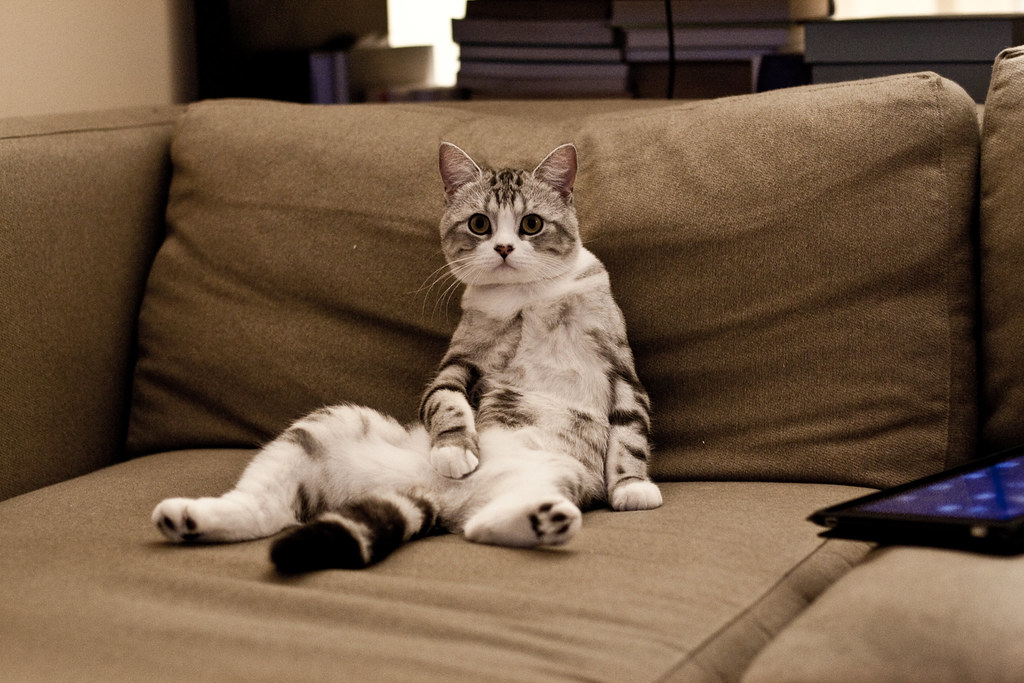
If your indoor cat has been spending longer than usual in the litter box, straining without much to show for it, or crying out mid-squat, you’re not imagining a problem. These signs can come from constipation or a urinary problem. Repeated straining with little or no urine is an emergency. Seek veterinary care immediately, including when you cannot tell whether your cat is trying to urinate or defecate. (Cornell Feline Health Center)
Why Constipation Can Happen
Dehydration, pain, and reluctance to use the litter box can contribute to constipation. Indoor living alone does not tell you why a cat is having digestive trouble. A veterinarian can check for an underlying cause. (Merck Veterinary Manual)
Age adds another layer. As cats get older, arthritis can make the physical act of squatting in a litter box uncomfortable, and kidney changes can affect hydration. None of this means a digestive problem is inevitable, but it does mean it’s worth paying closer attention as the years go on.
Common Signs of Constipation and Digestive Trouble
Cats are private about bathroom habits, which means owners often notice a problem later than they’d like. Keeping a rough mental note of your cat’s litter box routine makes it much easier to spot when something changes.
- Straining or crying out while trying to defecate
- Hard, dry, or pellet-like stool, or none at all for more than a day
- Frequent trips to the litter box with little or no result
- Reduced appetite or skipping meals
- Vomiting, especially after eating
- Lethargy or hiding more than usual
- A visibly bloated or firm abdomen
Do not wait two or three days if your cat is straining without passing stool or urine. Seek immediate veterinary assessment for unproductive straining, severe pain, or marked weakness. If you simply notice a change in stool frequency without distress, contact your vet for advice based on your cat’s usual routine. (Merck Veterinary Manual)
What Causes Constipation in Indoor Cats
Constipation has several possible causes. Identifying the cause with your veterinarian matters more than assuming that every cat needs the same home remedy.
- Dehydration. Inadequate water intake or illness can contribute to dry, difficult-to-pass stool.
- Hairballs. Swallowed fur can build up in the digestive tract and contribute to blockages, particularly in long-haired or heavy-shedding cats — staying on top of regular hairball management can reduce how often this becomes an issue.
- Diet. Your vet may recommend a diet change, but extra fiber is not the right first step for every constipated cat.
- Litter box avoidance. A dirty box, an inaccessible location, or a box that’s hard to step into can make a cat hold it longer than is healthy.
- Reduced mobility or arthritis. Older cats may avoid squatting fully because it’s uncomfortable, which affects how completely they empty their bowels.
- Underlying conditions. Kidney disease or a chronic condition called megacolon (a loss of normal colon muscle function) can cause recurring constipation and need veterinary management rather than home remedies.
How to Help a Constipated Cat at Home
Once your veterinarian has confirmed mild constipation and advised home care, the following adjustments may be useful. Do not try them first for a cat with unproductive straining, vomiting, loss of appetite, or pain.
- Support hydration. Keep fresh water available and ask your vet whether wet food or adding water to food would suit your cat. You can offer water in several quiet locations; a fountain is optional, since cats differ in what they prefer.
- Check the litter box setup. Make sure there’s at least one box per cat plus one extra, that it’s scooped daily, and that older or arthritic cats can step in easily. Lower sides can make entry and exit easier. (AAHA/AAFP)
- Ask before adding fiber. Discuss pumpkin or any fiber supplement with your vet first. Cats should be adequately hydrated before fiber is started, because fiber can worsen impaction in a dehydrated cat. (Merck Veterinary Manual)
- Stay on top of grooming. Regular brushing can reduce loose fur available to swallow during self-grooming. Choose a brush your cat tolerates comfortably.
- Offer gentle movement. If your cat is comfortable and your vet agrees, offer short play sessions suited to their mobility.
When to Talk to Your Veterinarian
Contact your vet promptly about the signs below. Unproductive straining, severe pain, or marked weakness needs immediate assessment; do not wait for a stool-count threshold. (Merck Veterinary Manual)
- A change from your cat’s usual bowel pattern, especially with discomfort or other symptoms
- Repeated straining with visible discomfort or crying out
- Vomiting alongside constipation
- Blood in the stool or litter box
- Noticeable lethargy, hiding, or loss of appetite
- A hard or swollen abdomen
- Constipation that keeps recurring every few weeks
Recurring or severe constipation may point to megacolon or another underlying condition that needs diagnostic testing and a tailored treatment plan. Never give a cat a human laxative, enema, or stool softener without your veterinarian’s guidance, since some common over-the-counter products are dangerous for cats. Phosphate-containing enemas can cause life-threatening electrolyte disturbances and must not be used in cats. (Merck Veterinary Manual)
Preventing Digestive Issues Going Forward
Once a cat has had one constipation episode, they’re more likely to have another, so a bit of ongoing prevention goes a long way. Consistent hydration, a stable diet, regular grooming, and an accessible, clean litter box cover most of the everyday risk factors. For cats with arthritis or other mobility changes, revisiting the litter box setup every so often as they age is worth the five minutes it takes.
Routine veterinary checkups also matter here. Recurring constipation may call for blood tests, imaging, or other testing to look for an underlying cause.
Quick Takeaways
- Watch for straining, hard stool, reduced appetite, or a missed bowel movement lasting more than a day.
- Dehydration, swallowed material, painful defecation, and underlying illness are possible contributors; the cause needs assessment.
- Hydration, accessible litter boxes, and the diet your vet recommends can support a confirmed constipation care plan.
- Unproductive straining or suspected inability to urinate needs immediate veterinary assessment. Do not wait 48 to 72 hours.
- Recurring constipation can signal an underlying condition like megacolon and deserves veterinary evaluation.
This article is for general informational purposes only and is not a substitute for professional veterinary advice, diagnosis, or treatment. Always consult your veterinarian regarding your pet’s specific health needs.
Aging gracefully, together.
Photo by eviltomthai on Flickr, licensed under CC BY 2.0.
