Tag: cat health

  • Adult Cat Health Checkup Checklist

    Adult Cat Health Checkup Checklist

    If your cat seems perfectly fine at home, it can be tempting to skip the yearly trip to the vet. Many indoor cat owners feel this way, especially since cats are experts at hiding discomfort until a problem has already progressed. An annual checkup is one of the simplest ways to catch small issues before they become bigger ones.

    Why Annual Checkups Matter for Adult Cats

    Cats are instinctively good at masking pain and illness, a trait left over from their wild ancestors who needed to appear healthy to avoid predators. This means an adult cat who seems “totally normal” at home can still be quietly developing dental disease, early kidney changes, or weight issues that are much easier to manage when caught early.

    Even a cat that never goes outside benefits from routine visits. Indoor cats can still develop obesity, urinary problems, and age-related organ changes, and a wellness exam is often the only way these are noticed before symptoms show up.

    What Your Vet Will Check During the Visit

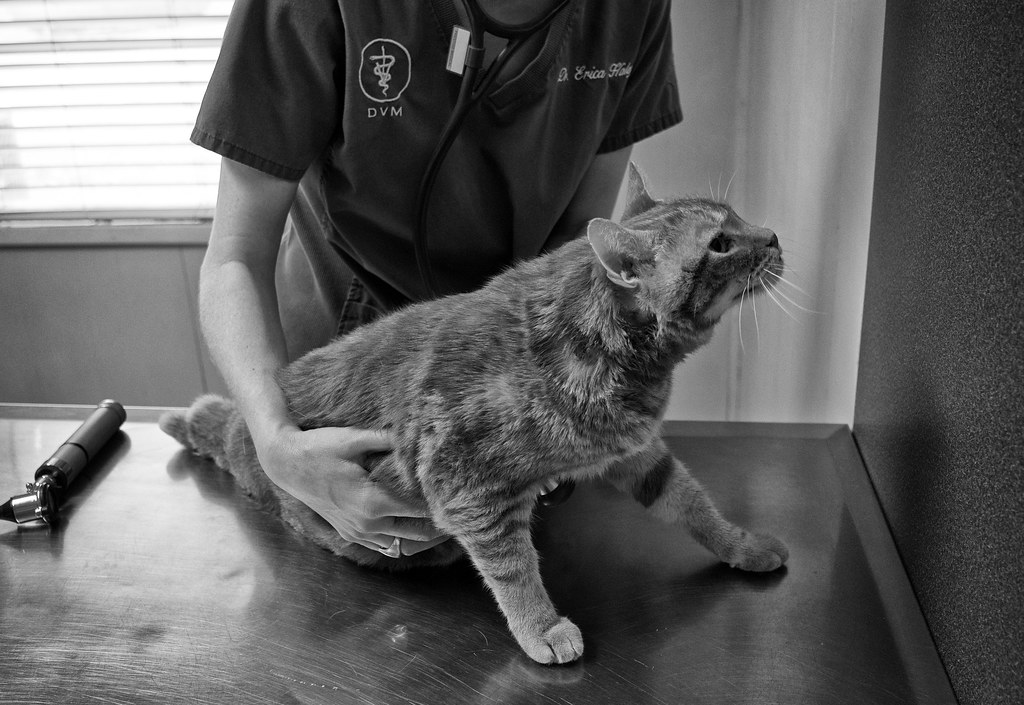
    A typical adult cat wellness exam covers more ground than most owners expect. Your veterinarian will usually go through each of the following:

    • Body weight and body condition score to track gradual weight gain or loss
    • Teeth and gums for tartar buildup, redness, or early dental disease
    • Eyes and ears for cloudiness, discharge, or signs of infection
    • Heart and lungs, listened to for murmurs or irregular rhythms
    • Abdomen, gently palpated to check organ size and detect discomfort
    • Coat and skin for dryness, lumps, parasites, or excessive shedding
    • Joints and gait, especially if your cat is entering the middle-age to senior range

    Your vet will also ask about diet, litter box habits, water intake, and any behavior changes. These questions matter just as much as the physical exam, since you see your cat’s daily habits in a way a fifteen-minute appointment never can.

    Common Tests Explained

    Not every cat needs every test every year, but your vet may recommend some of the following based on age, breed, and health history:

    • Complete blood count (CBC) to screen for anemia, infection, or inflammation
    • Blood chemistry panel to check kidney and liver values, blood sugar, and protein levels
    • Urinalysis to assess kidney function and detect early urinary tract issues
    • Fecal exam to check for intestinal parasites, which indoor cats can still pick up
    • Thyroid testing, often introduced once a cat reaches middle age
    • Vaccine review to confirm which core and lifestyle vaccines are due

    Baseline bloodwork done while a cat is still healthy is especially valuable. It gives your vet a reference point, so if something looks “off” a year or two later, they can compare it against what was normal for your specific cat rather than a generic range.

    How to Prepare for the Appointment

    A little preparation makes the visit smoother for both you and your cat. Consider working through this before you go:

    1. Write down any changes you’ve noticed in appetite, water intake, litter box habits, or energy level over the past few months
    2. Bring a fresh stool sample if your vet’s office requests one for a fecal exam
    3. List any supplements, medications, or diet changes since the last visit
    4. Note your cat’s current food, treats, and approximate daily portions
    5. Use a familiar carrier lined with a blanket that smells like home to reduce travel stress

    If your indoor cat’s routine dental care includes brushing or dental treats, mention this too. It helps your vet judge how much of any tartar buildup is despite your efforts versus something to address with a more thorough approach, which is covered in more depth in our guide to dental and tartar care for indoor cats.

    Signs Between Checkups You Shouldn’t Ignore

    Annual visits are important, but you don’t need to wait a full year if something changes. Keep an eye out for:

    • Noticeable weight gain or loss without a diet change
    • Drinking noticeably more or less water than usual
    • Straining in the litter box, or going outside the box
    • Bad breath, drooling, or pawing at the mouth
    • Hiding more than usual or a drop in interest in play
    • Vomiting or diarrhea that lasts more than a day

    When to Talk to Your Veterinarian

    Contact your vet promptly if you notice any of the signs above, especially straining in the litter box, which can signal a urinary blockage and is considered an emergency in cats, particularly males. Sudden lethargy, repeated vomiting, or a complete loss of appetite for more than a day also warrant a same-day call rather than waiting for the next scheduled checkup.

    If your adult cat is approaching the seven to ten year mark, it’s worth asking your vet whether more frequent monitoring makes sense, since this is often when the first subtle signs of kidney or thyroid changes appear. Our overview of kidney disease in indoor cats walks through what those early signs can look like.

    Quick Takeaways

    • Cats hide illness well, so annual wellness exams catch problems long before obvious symptoms appear
    • A full checkup covers weight, teeth, organs, coat, and joints, not just a quick look-over
    • Baseline bloodwork while your cat is healthy gives your vet a useful reference point for later years
    • Preparing notes on appetite, water intake, and litter box habits makes the visit more productive
    • Straining to urinate or sudden loss of appetite should never wait for the next scheduled visit

    This article is for general informational purposes only and is not a substitute for professional veterinary advice, diagnosis, or treatment. Always consult your veterinarian regarding your pet’s specific health needs.

    Aging gracefully, together.

    Photo by Anne Worner on Flickr, licensed under CC BY-SA 2.0.

    Sources and further reading

    These resources cover the specific topics listed below. They provide general education and do not constitute a veterinary review of this article.

  • Complete Health Guide for Kittens

    Complete Health Guide for Kittens

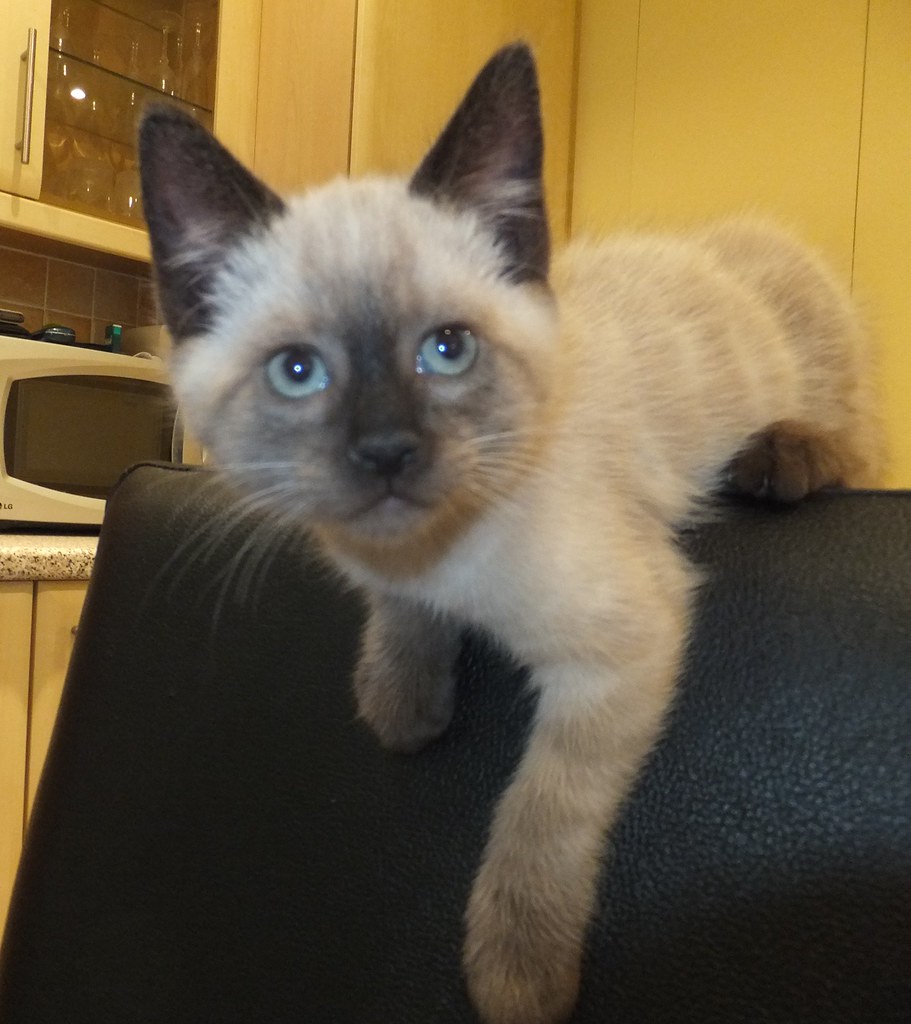
    Bringing a kitten home is one of the most exciting moments for any cat lover, but it also raises a lot of practical questions. Many new owners aren’t sure exactly when the first vet visit should happen, which vaccines actually matter, or what a normal kitten milestone looks like versus a red flag. This guide walks through the essentials of kitten health during the first year, from that first checkup through spaying or neutering.

    Your Kitten’s First Vet Visit

    Most veterinarians recommend scheduling a first checkup within the first week of bringing a kitten home, even if the kitten seems perfectly healthy. This visit sets a baseline for weight, overall condition, and any early concerns like parasites or congenital issues.

    During this first appointment, a vet will typically cover the following:

    • A full physical exam, including eyes, ears, teeth, and coat condition
    • A fecal test to check for intestinal parasites
    • The start of the core vaccination series
    • A discussion of feeding, litter box habits, and indoor safety
    • A plan for spaying or neutering timing

    Vaccination Schedule: What to Expect

    Protection passed from a mother cat can interfere with a kitten’s response to early vaccines, which is why several visits are needed. Your veterinarian will set the schedule for the products used. For the usual injected FVRCP series, the AAHA/AAFP outline is:

    1. Start no earlier than 6 weeks of age: FVRCP protects against feline herpesvirus/rhinotracheitis, calicivirus, and panleukopenia.
    2. Repeat every 3 to 4 weeks through 16 to 20 weeks of age; do not stop the series at 14 weeks.
    3. Discuss an FVRCP revaccination at 6 months with your vet.
    4. Rabies timing follows the vaccine label and local legal requirements.

    (AAHA/AAFP vaccination guidelines)

    The AAHA/AAFP guidelines consider feline leukemia virus (FeLV) vaccination core for cats younger than one year because of their age-related susceptibility. Your vet should check FeLV status before vaccination and plan later boosters around exposure risk. Exact timing still depends on the product, your kitten’s health, and local requirements. (AAHA/AAFP)

    Deworming and Parasite Prevention

    Discuss deworming and ongoing parasite prevention at the first visit, even if your kitten looks healthy. Your vet can choose an appropriate product and repeat-treatment plan based on age, history, testing, and local risks. (AAHA/AAFP)

    Flea prevention is worth discussing at the same visit. Indoor kittens can need parasite protection too; ask your vet to confirm that any product is suitable for your kitten before using it. (AAHA/AAFP)

    Spaying or Neutering: Timing and Benefits

    For cats not intended for breeding, the AAFP recommends spaying or neutering by five months of age. Your vet should tailor the timing to your kitten’s health and the procedure rather than waiting automatically until six months. (FelineVMA/AAFP)

    Beyond preventing unwanted litters, spaying and neutering is associated with a lower risk of certain reproductive cancers and can reduce behaviors like territorial spraying or roaming instincts as a cat matures.

    Nutrition and Growth Milestones

    Kittens grow quickly and have different nutritional needs than adult cats, which is why a kitten-formulated food matters during this stage. Look for a food labeled for growth or “all life stages” on the label, and ask your vet about appropriate portion sizes as your kitten grows.

    Most kittens transition to adult food somewhere between 10 and 12 months of age, though larger or slower-maturing cats may stay on kitten food a bit longer. Your vet can help you judge the right timing based on your cat’s growth and body condition.

    Signs Something May Be Wrong

    Kittens can become seriously ill quickly. Seek emergency veterinary care immediately for breathing difficulty, very pale or blue gums, collapse, extreme weakness, or straining without passing urine or stool. (Merck Veterinary Manual) Contact your vet promptly about other changes such as:

    • Lethargy or a kitten that suddenly seems unusually quiet or weak
    • Refusal to eat; contact your vet immediately rather than waiting for a set number of hours. (Cornell Feline Health Center)
    • Vomiting or diarrhea, especially if repeated or accompanied by other symptoms
    • Visible worms in stool or a noticeably bloated belly
    • A kitten that feels unusually cold or suddenly becomes weak; seek veterinary advice immediately
    • Litter box changes; unproductive straining needs immediate veterinary assessment

    Building Healthy Habits Early

    The habits you establish in the first year tend to carry forward for life. Getting a kitten comfortable with gentle tooth brushing early, for example, can make a real difference later on, since dental disease is one of the most common issues cat owners eventually deal with as their cats age.

    Keeping an eye on healthy weight gain from the start matters too, since kittens that grow into overweight adult cats face a higher risk of joint strain and metabolic issues down the road. If you’re already noticing changes in an older cat’s weight or teeth, it may be worth reading more about dental and tartar care in indoor cats or weight management in indoor cats for a sense of what to watch for over the years ahead.

    When to See a Vet

    Beyond scheduled vaccine and wellness visits, contact your veterinarian promptly if your kitten seems unwell. If your kitten stops eating, call immediately. Breathing difficulty, collapse, extreme weakness, or unproductive litter box straining calls for emergency care right away. (Cornell Feline Health Center) (Merck Veterinary Manual)

    When you are unsure about a change, call your vet or an emergency clinic for advice. Do not delay emergency care while waiting for a routine appointment or callback.

    Quick Takeaways

    • Schedule a first vet visit within the first week of bringing your kitten home.
    • The initial FVRCP series continues every 3 to 4 weeks through 16 to 20 weeks; your vet sets the complete vaccine plan.
    • Start a veterinarian-guided parasite-prevention plan early and keep it up as your cat grows.
    • Discuss spaying or neutering by five months if your cat is not intended for breeding, with timing tailored by your vet.
    • Seek emergency care for breathing difficulty or unproductive litter box straining; call your vet immediately if your kitten stops eating.

    This article is for general informational purposes only and is not a substitute for professional veterinary advice, diagnosis, or treatment. Always consult your veterinarian regarding your pet’s specific health needs.

    Aging gracefully, together.

    Photo by foshie on Flickr, licensed under CC BY 2.0.

  • Constipation & Digestive Issues in Indoor Cats: Signs & How to Manage It

    Constipation & Digestive Issues in Indoor Cats: Signs & How to Manage It

    If your indoor cat has been spending longer than usual in the litter box, straining without much to show for it, or crying out mid-squat, you’re not imagining a problem. These signs can come from constipation or a urinary problem. Repeated straining with little or no urine is an emergency. Seek veterinary care immediately, including when you cannot tell whether your cat is trying to urinate or defecate. (Cornell Feline Health Center)

    Why Constipation Can Happen

    Dehydration, pain, and reluctance to use the litter box can contribute to constipation. Indoor living alone does not tell you why a cat is having digestive trouble. A veterinarian can check for an underlying cause. (Merck Veterinary Manual)

    Age adds another layer. As cats get older, arthritis can make the physical act of squatting in a litter box uncomfortable, and kidney changes can affect hydration. None of this means a digestive problem is inevitable, but it does mean it’s worth paying closer attention as the years go on.

    Common Signs of Constipation and Digestive Trouble

    Cats are private about bathroom habits, which means owners often notice a problem later than they’d like. Keeping a rough mental note of your cat’s litter box routine makes it much easier to spot when something changes.

    • Straining or crying out while trying to defecate
    • Hard, dry, or pellet-like stool, or none at all for more than a day
    • Frequent trips to the litter box with little or no result
    • Reduced appetite or skipping meals
    • Vomiting, especially after eating
    • Lethargy or hiding more than usual
    • A visibly bloated or firm abdomen

    Do not wait two or three days if your cat is straining without passing stool or urine. Seek immediate veterinary assessment for unproductive straining, severe pain, or marked weakness. If you simply notice a change in stool frequency without distress, contact your vet for advice based on your cat’s usual routine. (Merck Veterinary Manual)

    What Causes Constipation in Indoor Cats

    Constipation has several possible causes. Identifying the cause with your veterinarian matters more than assuming that every cat needs the same home remedy.

    • Dehydration. Inadequate water intake or illness can contribute to dry, difficult-to-pass stool.
    • Hairballs. Swallowed fur can build up in the digestive tract and contribute to blockages, particularly in long-haired or heavy-shedding cats — staying on top of regular hairball management can reduce how often this becomes an issue.
    • Diet. Your vet may recommend a diet change, but extra fiber is not the right first step for every constipated cat.
    • Litter box avoidance. A dirty box, an inaccessible location, or a box that’s hard to step into can make a cat hold it longer than is healthy.
    • Reduced mobility or arthritis. Older cats may avoid squatting fully because it’s uncomfortable, which affects how completely they empty their bowels.
    • Underlying conditions. Kidney disease or a chronic condition called megacolon (a loss of normal colon muscle function) can cause recurring constipation and need veterinary management rather than home remedies.

    How to Help a Constipated Cat at Home

    Once your veterinarian has confirmed mild constipation and advised home care, the following adjustments may be useful. Do not try them first for a cat with unproductive straining, vomiting, loss of appetite, or pain.

    1. Support hydration. Keep fresh water available and ask your vet whether wet food or adding water to food would suit your cat. You can offer water in several quiet locations; a fountain is optional, since cats differ in what they prefer.
    2. Check the litter box setup. Make sure there’s at least one box per cat plus one extra, that it’s scooped daily, and that older or arthritic cats can step in easily. Lower sides can make entry and exit easier. (AAHA/AAFP)
    3. Ask before adding fiber. Discuss pumpkin or any fiber supplement with your vet first. Cats should be adequately hydrated before fiber is started, because fiber can worsen impaction in a dehydrated cat. (Merck Veterinary Manual)
    4. Stay on top of grooming. Regular brushing can reduce loose fur available to swallow during self-grooming. Choose a brush your cat tolerates comfortably.
    5. Offer gentle movement. If your cat is comfortable and your vet agrees, offer short play sessions suited to their mobility.

    When to Talk to Your Veterinarian

    Contact your vet promptly about the signs below. Unproductive straining, severe pain, or marked weakness needs immediate assessment; do not wait for a stool-count threshold. (Merck Veterinary Manual)

    • A change from your cat’s usual bowel pattern, especially with discomfort or other symptoms
    • Repeated straining with visible discomfort or crying out
    • Vomiting alongside constipation
    • Blood in the stool or litter box
    • Noticeable lethargy, hiding, or loss of appetite
    • A hard or swollen abdomen
    • Constipation that keeps recurring every few weeks

    Recurring or severe constipation may point to megacolon or another underlying condition that needs diagnostic testing and a tailored treatment plan. Never give a cat a human laxative, enema, or stool softener without your veterinarian’s guidance, since some common over-the-counter products are dangerous for cats. Phosphate-containing enemas can cause life-threatening electrolyte disturbances and must not be used in cats. (Merck Veterinary Manual)

    Preventing Digestive Issues Going Forward

    Once a cat has had one constipation episode, they’re more likely to have another, so a bit of ongoing prevention goes a long way. Consistent hydration, a stable diet, regular grooming, and an accessible, clean litter box cover most of the everyday risk factors. For cats with arthritis or other mobility changes, revisiting the litter box setup every so often as they age is worth the five minutes it takes.

    Routine veterinary checkups also matter here. Recurring constipation may call for blood tests, imaging, or other testing to look for an underlying cause.

    Quick Takeaways

    • Watch for straining, hard stool, reduced appetite, or a missed bowel movement lasting more than a day.
    • Dehydration, swallowed material, painful defecation, and underlying illness are possible contributors; the cause needs assessment.
    • Hydration, accessible litter boxes, and the diet your vet recommends can support a confirmed constipation care plan.
    • Unproductive straining or suspected inability to urinate needs immediate veterinary assessment. Do not wait 48 to 72 hours.
    • Recurring constipation can signal an underlying condition like megacolon and deserves veterinary evaluation.

    This article is for general informational purposes only and is not a substitute for professional veterinary advice, diagnosis, or treatment. Always consult your veterinarian regarding your pet’s specific health needs.

    Aging gracefully, together.

    Photo by eviltomthai on Flickr, licensed under CC BY 2.0.

  • Kidney Disease in Indoor Cats: Signs & How to Manage It

    Kidney Disease in Indoor Cats: Signs & How to Manage It

    If your indoor cat has started drinking more water than usual and the litter box needs emptying more often, it’s easy to assume she’s just being extra thirsty in warm weather. Often, though, this combination is one of the earliest signals of kidney disease, a condition that affects a large share of cats as they move into their senior years. Understanding what to watch for can make a real difference in how comfortably your cat lives with it.

    What Is Kidney Disease in Cats?

    A cat’s kidneys filter waste products out of the bloodstream and help regulate hydration, blood pressure, and red blood cell production. Chronic kidney disease (CKD) develops when kidney tissue gradually loses function over months or years, which is why it’s most often diagnosed in middle-aged and senior cats. Less commonly, kidneys can fail suddenly (acute kidney injury) due to toxins, dehydration, or a blockage, which is a true emergency rather than a gradual condition.

    CKD cannot be reversed, but it can often be slowed and managed for a good stretch of time once it’s caught. That’s why recognizing the early signs matters so much.

    Early Signs and Symptoms of Kidney Disease

    Because healthy kidney tissue can compensate for a while, cats often show few obvious symptoms until a meaningful portion of kidney function is already affected. Watch for:

    • Increased thirst and more frequent trips to the water bowl
    • Urinating more often, or producing noticeably larger amounts of urine
    • Gradual weight loss, even with a normal or increased appetite at first
    • Reduced appetite or becoming more selective about food
    • A dull, unkempt coat, since grooming often becomes less of a priority
    • Bad breath with an ammonia-like odor
    • Vomiting or intermittent nausea
    • Lethargy or a general drop in energy and playfulness

    Any one of these on its own isn’t necessarily kidney disease, but a cluster of them, especially increased thirst paired with weight loss, is worth mentioning to your vet.

    What Causes Kidney Disease in Indoor Cats?

    In most cases, chronic kidney disease develops gradually and the exact starting point isn’t identifiable. Contributing factors can include genetics (certain breeds like Persians and Maine Coons carry higher risk for some kidney conditions), long-term dental disease, high blood pressure, and prior episodes of dehydration or urinary blockage. Age itself is the biggest factor: the older a cat gets, the more common some degree of reduced kidney function becomes.

    Cats recovering from earlier urinary tract issues or bladder stones may also be at somewhat higher risk, which is one more reason those earlier urinary symptoms are worth taking seriously rather than waiting out.

    How Kidney Disease Is Diagnosed

    Your veterinarian will typically run bloodwork looking at markers like BUN, creatinine, and SDMA, along with a urinalysis to check how well the kidneys are concentrating urine. Blood pressure measurement and, in some cases, imaging like an ultrasound may also be part of the workup. Diagnosis usually leads to a “staging” of the disease from early to advanced, which helps guide what kind of management plan makes sense.

    How to Manage Kidney Disease at Home

    Once your vet has confirmed a diagnosis and stage, day-to-day management becomes the main focus. A typical plan includes:

    1. Switch to a kidney-support diet. Prescription renal diets are formulated with reduced phosphorus and controlled, high-quality protein, which can ease the kidneys’ workload. Ask your vet which option fits your cat’s stage and preferences.
    2. Encourage water intake. Wet food naturally adds moisture, and a pet water fountain can encourage cats who prefer moving water to drink more throughout the day. Placing multiple water bowls around the home is a simple, low-cost way to support the same goal.
    3. Keep up with regular bloodwork. Kidney values are typically rechecked every few months so your vet can adjust the plan as needed.
    4. Ask about supportive medications. Depending on the stage, your vet may recommend phosphorus binders, anti-nausea medication, appetite stimulants, or blood pressure medication.
    5. Learn subcutaneous fluids if recommended. In more advanced cases, vets often teach owners to give fluids under the skin at home, which is more manageable than it sounds and can meaningfully improve a cat’s comfort and hydration.

    Weight can be tricky to track once appetite changes, so if your cat’s kidney diagnosis comes alongside noticeable weight shifts, our guide to weight management in indoor cats covers how to monitor body condition safely.

    When to Talk to Your Veterinarian

    Schedule a vet visit if you notice increased thirst or urination, unexplained weight loss, or a drop in appetite lasting more than a day or two. Seek prompt or emergency care if your cat stops eating entirely, vomits repeatedly, seems weak or unresponsive, or you notice she is straining to urinate or not producing urine at all, since that combination can point to a urinary blockage rather than kidney disease alone and needs immediate attention. Regular senior wellness exams with bloodwork, even before symptoms appear, remain the most reliable way to catch kidney changes early.

    Quick Takeaways

    • Increased thirst, more frequent urination, and gradual weight loss are the classic early signs of kidney disease in cats.
    • Chronic kidney disease is most common in older cats and can’t be reversed, but it can often be slowed with early management.
    • Diagnosis relies on bloodwork (BUN, creatinine, SDMA) and a urinalysis, plus blood pressure checks.
    • Prescription renal diets, encouraging water intake, and regular vet-monitored bloodwork form the core of home management.
    • Contact your vet promptly for appetite loss, repeated vomiting, or any sign your cat isn’t urinating normally.

    This article is for general informational purposes only and is not a substitute for professional veterinary advice, diagnosis, or treatment. Always consult your veterinarian regarding your pet’s specific health needs.

    Aging gracefully, together.

    Photo by Valeria Makai on Pexels.

    Sources and further reading

    These resources cover the specific topics listed below. They provide general education and do not constitute a veterinary review of this article.

  • Allergies & Skin Issues in Indoor Cats: Signs & How to Manage It

    Allergies & Skin Issues in Indoor Cats: Signs & How to Manage It

    If your indoor cat has been scratching more than usual, overgrooming a patch of fur bald, or developing small scabby bumps along the neck and back, you’re not imagining a change. Skin allergies are one of the most common reasons cats end up at the vet, and staying indoors doesn’t make a cat immune to them.

    Why Indoor Cats Still Get Allergies

    It’s a common assumption that allergies are mostly an outdoor-cat problem, tied to pollen and grass. In reality, indoor cats are exposed to plenty of potential triggers without ever leaving the house: a single flea carried in on a shoe or another pet, dust mites in carpet and bedding, mold spores, pollen that drifts in through open windows, certain ingredients in their food, and even the plastic material of a food bowl.

    Because the triggers are less obvious indoors, allergic skin problems in indoor cats are sometimes mistaken for something else entirely, including stress-related overgrooming, which can look surprisingly similar and is worth ruling out alongside emotional causes when the pattern isn’t clearly seasonal.

    Common Signs of Skin Allergies in Cats

    • Excessive licking or grooming, especially on the belly, inner thighs, or lower back, sometimes to the point of bald patches
    • Small, crusty bumps scattered across the neck, back, or base of the tail (a pattern vets call miliary dermatitis)
    • Red, inflamed, or scabbed skin, particularly around the face, ears, neck, or belly
    • Recurring ear infections or head-shaking
    • Raised, thickened sores on the lips or in the mouth (eosinophilic granuloma complex)
    • Sneezing or watery eyes alongside skin symptoms, which points more toward an environmental trigger
    • Digestive upset such as vomiting or soft stool occurring alongside skin flare-ups, which can point toward a food allergy

    Any single sign here could have another explanation, but a combination of several, especially if it keeps coming back, is worth mentioning at your cat’s next visit.

    The Three Main Types of Allergies Behind Skin Symptoms

    Nearly all allergic skin disease in cats falls into one of three categories, and figuring out which one is involved changes the entire management plan.

    • Flea allergy dermatitis: Some cats have such a strong reaction to flea saliva that a single bite can trigger days of intense itching, even if you never actually spot a flea on your cat. This is why year-round flea prevention matters for indoor cats too, not just cats that go outside.
    • Food allergies: These typically develop over time to a protein or ingredient a cat has eaten regularly, not a brand-new food. Diagnosis relies on a strict elimination diet trial under veterinary guidance, not simply switching brands on your own.
    • Environmental (atopic) allergies: Reactions to pollen, dust mites, mold spores, or similar particles that make their way indoors. These may start out seasonal and gradually become a year-round issue as sensitivity builds.

    A smaller number of cats also react to direct contact with something, such as a plastic bowl or a cleaning product residue on bedding, which tends to show up as irritation concentrated on the chin or areas that touch the surface directly.

    How Veterinarians Diagnose the Cause

    1. Rule out fleas and parasites first. This is the fastest, cheapest thing to eliminate and is often addressed before anything else, even if you haven’t seen fleas yourself.
    2. Run a strict elimination diet trial. If food allergy is suspected, your vet will usually recommend a hydrolyzed or novel-protein diet fed exclusively (no treats, no table scraps) for 8 to 12 weeks to see if symptoms resolve.
    3. Consider allergy testing for suspected environmental triggers. Intradermal skin testing or blood-based allergy panels, often through a referral to a veterinary dermatologist, can help identify specific environmental allergens.
    4. Skin scrapes or cultures. These rule out mites, ringworm, or a secondary bacterial or yeast infection that can complicate or mimic allergic skin disease.

    How to Help Manage Skin Allergies at Home

    1. Keep flea prevention consistent year-round. Use a veterinarian-recommended product on a strict schedule rather than only during warmer months, since even indoor cats are at risk.
    2. Follow through on a diet trial completely if one is recommended. Stopping partway through, or sneaking in an occasional treat, can make the results impossible to interpret and mean starting over.
    3. Reduce environmental allergens at home. Vacuum frequently, wash bedding regularly in unscented detergent, and consider a HEPA air filter in the rooms your cat spends the most time in.
    4. Switch to a ceramic or stainless-steel bowl if you notice chin irritation or acne-like bumps, since some cats react to certain plastics over time.
    5. Stay consistent with prescribed medication. Whether it’s a steroid, an immune-modulating medication, or a targeted anti-itch treatment, stopping as soon as symptoms improve is one of the most common reasons flare-ups come right back.
    6. Keep nails trimmed to limit the skin damage and secondary infections that come from repeated scratching at an itchy spot.

    When to Talk to Your Veterinarian

    Occasional scratching is normal cat behavior, but reach out to your vet if you notice scratching or overgrooming that persists for more than a week or two, open sores, oozing, or an unpleasant odor from the skin, noticeable hair loss, or skin symptoms that show up alongside vomiting or diarrhea. Never give your cat human antihistamines, steroid creams, or any other medication without checking with your veterinarian first, since dosing and safety are very different for cats.

    Quick Takeaways

    • Indoor cats can develop allergies from fleas, food, and environmental particles that make their way inside, not just from time spent outdoors.
    • Flea allergy dermatitis, food allergies, and environmental (atopic) allergies are the three main categories, and each is managed differently.
    • A strict, vet-guided elimination diet trial, not casual food-switching, is the standard way to diagnose a suspected food allergy.
    • Year-round flea prevention is worthwhile even for cats that never go outside.
    • Persistent, worsening, or recurring skin symptoms are worth a veterinary visit rather than months of guessing.

    This article is for general informational purposes only and is not a substitute for professional veterinary advice, diagnosis, or treatment. Always consult your veterinarian regarding your pet’s specific health needs.

    Aging gracefully, together.

    Photo by Mahmoud Yahyaoui on Pexels.

    Sources and further reading

    These resources cover the specific topics listed below. They provide general education and do not constitute a veterinary review of this article.

  • Dental & Tartar Care in Indoor Cats: Signs & How to Manage It

    Dental & Tartar Care in Indoor Cats: Signs & How to Manage It

    If you’ve caught a whiff of your cat’s breath lately and it wasn’t pleasant, you’re not imagining it. Bad breath is often the first clue that tartar and gum disease are building up quietly, long before a cat shows any obvious pain. Because cats are experts at hiding discomfort, dental problems can progress for months before an owner notices anything is wrong.

    The good news is that feline dental disease is one of the most manageable health issues in indoor cats once you know what to watch for. This guide walks through the early warning signs, what’s actually happening inside your cat’s mouth, and practical ways to slow tartar buildup at home.

    Why Indoor Cats Are So Prone to Dental Problems

    Dental disease is common in adult cats, including cats who live indoors. A controlled home environment does not replace dental care. (Cornell)

    Plaque is a bacterial film that can harden into tartar (also called calculus). Bacteria on and around the teeth can inflame the gums, causing gingivitis, and disease may progress to damage the tissues supporting the teeth. (Cornell)

    Signs of Tartar and Dental Disease to Watch For

    Because cats can hide pain, subtle changes matter. Persistent bad breath deserves a veterinary dental check. You do not need to wait for several signs to appear together before calling. (AAHA)

    • Noticeably bad or sour-smelling breath (halitosis)
    • Visible yellow-brown tartar along the gumline, especially on the back teeth
    • Red, swollen, or bleeding gums
    • Drooling more than usual, sometimes with blood-tinged saliva
    • Pawing at the mouth or face
    • Dropping food while eating, chewing on one side, or favoring soft food
    • Reduced appetite or unexplained weight loss over time
    • A reddened area at the base of a tooth or a missing tooth; a veterinarian may need dental X-rays to check for tooth resorption (Cornell)

    A cat that suddenly seems pickier about food, or who quietly starts eating less overall, warrants a veterinary call — some owners first notice something is off through the kind of subtle appetite and weight shifts covered in our guide to weight changes in indoor cats, and dental pain is one of the more overlooked causes.

    How to Manage Tartar Buildup at Home

    At-home care won’t reverse existing tartar, but it can meaningfully slow how quickly new plaque hardens. Consistency matters more than intensity here — a gentle daily routine is the goal once your veterinarian has confirmed that brushing is appropriate. (AAHA)

    1. Introduce tooth brushing gradually. Use a soft finger brush or a small pet toothbrush with an enzymatic toothpaste made for cats (never human toothpaste, which contains ingredients that are unsafe for pets). If the gums are red, swollen, bleeding, or painful, have your veterinarian assess the mouth before brushing. Otherwise, introduce brushing gradually. (Cornell)
    2. Aim for daily brushing. If your cat will not tolerate it, ask your veterinarian for a suitable home-care plan rather than forcing the brush. (AAHA)
    3. Add dental-specific treats or diets. Look for cat-specific products carrying the Veterinary Oral Health Council (VOHC) Seal of Acceptance for plaque or tartar control. (VOHC) Prices for dental diets and treats range widely from budget to premium; check current pricing and VOHC status before choosing one, and treat them as a supplement to brushing rather than a replacement for it.
    4. Skip raw meat as dental care. Raw animal products can expose pets and people to harmful pathogens. (AAHA) Ask your veterinarian which cat-specific dental treats are appropriate instead.
    5. Ask about a water additive. If brushing is difficult, ask your veterinarian whether a cat-specific, VOHC-accepted additive fits the plan. Products differ, and an additive does not remove established tartar. (VOHC)
    6. Schedule regular veterinary dental checks. Your vet can set an examination and treatment schedule for your cat. Regular checks help detect disease, but do not guarantee that cleaning alone will be enough. (AAHA)

    What Happens During a Professional Dental Cleaning

    Once tartar has hardened below the gumline, no amount of home care can remove it — this requires a professional cleaning performed under general anesthesia. This allows your veterinarian to safely scale below the gumline, probe each tooth for hidden problems like resorption, and take dental X-rays to check root health that isn’t visible on a simple look inside the mouth.

    Many owners are understandably nervous about anesthesia in an older cat, but modern veterinary anesthesia protocols include pre-anesthetic bloodwork and monitoring specifically designed to make these procedures safer for senior pets. Leaving significant dental disease untreated carries its own risks, since chronic oral infection has been linked to broader inflammation that can affect other organs over time.

    When to Talk to Your Veterinarian

    Some dental symptoms warrant a prompt appointment rather than a wait-and-see approach. Reach out to your veterinarian if you notice any of the following:

    • Your cat stops eating or eats noticeably less; contact your veterinarian promptly rather than waiting for a full day to pass (Cornell)
    • Bleeding gums, a foul odor that seems to worsen quickly, or visible facial swelling
    • Obvious pain when the mouth area is touched, or your cat cries out while eating
    • A broken or visibly loose tooth
    • Drooling that is new, excessive, or blood-tinged

    These signs can indicate an abscess, advanced periodontal disease, or a painful tooth resorption lesion, all of which are treatable but shouldn’t be left unaddressed. Your veterinarian is best placed to weigh anesthesia risk against the benefits of treatment for your individual cat.

    Quick Takeaways

    • Persistent bad breath deserves a veterinary check rather than being dismissed as normal.
    • Consistent home care helps limit plaque, but established tartar needs professional treatment.
    • Tooth brushing with enzymatic pet toothpaste remains the most effective at-home tool; cat-specific VOHC-accepted treats and diets are a helpful supplement.
    • Tartar below the gumline can only be removed through a professional cleaning under anesthesia.
    • Reduced appetite, drooling, or facial swelling call for a prompt veterinary visit rather than waiting it out.

    This article is for general informational purposes only and is not a substitute for professional veterinary advice, diagnosis, or treatment. Always consult your veterinarian regarding your pet’s specific health needs.

    Aging gracefully, together.

    Photo by Mahmoud Yahyaoui on Pexels.

  • Weight Management & Obesity in Indoor Cats: Signs & How to Manage It

    Weight Management & Obesity in Indoor Cats: Signs & How to Manage It

    If your indoor cat seems to nap more than she plays, and you’ve noticed her waistline has quietly disappeared over the past year or two, you’re not imagining things. Weight gain creeps up slowly in cats who spend their days indoors, and by the time it’s obvious, a cat is often carrying several pounds more than is healthy for her frame.

    Why Indoor Cats Are Prone to Weight Gain

    Cats evolved as hunters who worked for every meal, covering long distances and expending real energy to eat. An indoor cat’s food usually arrives in a bowl a few steps from the couch, with none of that effort involved. Combine a calorie-dense diet with a smaller living space, and the pounds can add up gradually without anyone noticing day to day.

    Spaying or neutering also lowers a cat’s metabolic rate, which is one reason many cats start gaining weight in the year or two after the procedure. None of this means weight gain is inevitable — it just means indoor cats need a bit more intentional support than their outdoor, free-roaming counterparts.

    Signs Your Indoor Cat May Be Overweight

    Because cats hide discomfort well, weight-related changes are often easier to spot by looking and feeling than by watching behavior alone. A quick hands-on check can tell you more than the number on a scale.

    • You can’t easily feel your cat’s ribs when running a hand along her side without pressing hard
    • No visible waist when you look down at her from above
    • A rounded, sagging belly pad that sways when she walks
    • Reluctance to jump onto furniture or the cat tree she used to climb easily
    • Less interest in play, or getting winded quickly during activity
    • Difficulty grooming certain spots, especially the lower back and hindquarters

    Veterinarians often use a nine-point body condition score to formalize this kind of assessment, and it’s a useful tool to ask your vet to walk you through at your cat’s next visit.

    Health Risks of Excess Weight in Cats

    Extra weight isn’t just a cosmetic issue for cats — it changes how their bodies function day to day. Overweight cats face a meaningfully higher risk of type 2 diabetes, joint strain and arthritis, and reduced mobility as they age. Excess weight has also been linked to a higher likelihood of lower urinary tract problems, since heavier cats tend to move and drink less, which affects how often they use the litter box.

    One risk specific to cats is worth calling out directly: unlike dogs, cats can develop a serious liver condition called hepatic lipidosis if they stop eating or lose weight too quickly. This is exactly why any weight-loss plan for a cat should be gradual and vet-guided rather than a sudden diet change.

    How to Help Your Cat Reach a Healthy Weight

    Sustainable weight loss in cats is slow by design — usually a small percentage of body weight per month. Rushing it does more harm than good, so think in terms of months, not weeks.

    1. Schedule a vet visit first to rule out underlying conditions and get a target weight and safe calorie range for your specific cat
    2. Switch to measured meals using a kitchen scale or measuring cup instead of free-feeding from a full bowl
    3. Ask your vet about a weight-management or high-protein, lower-calorie food formulated for gradual fat loss
    4. Increase play sessions gradually, aiming for two or three short bursts of activity a day rather than one long one
    5. Track weight monthly on the same scale to catch plateaus or losses that are happening too fast

    Choosing the Right Food and Feeding Routine

    Portion control matters more than any single ingredient on a food label. Measuring every meal, including treats, is the single most effective habit for managing a cat’s weight — it’s easy to underestimate how many calories a few handfuls of kibble add up to over a week.

    Puzzle feeders and slow-feed bowls are a low-cost way to make mealtime take longer and require more physical effort, which mimics natural hunting behavior. You don’t need an expensive gadget — a muffin tin or a few treats scattered across the floor can work just as well as a store-bought puzzle feeder for cats who are food-motivated.

    Enrichment and Exercise Ideas for Indoor Cats

    Encouraging movement matters as much as adjusting food. Wand toys that mimic prey movement tend to get more engagement than toys a cat has to chase on her own. Rotating toys every week or two also keeps things interesting, since cats can lose interest in the same object quickly.

    Vertical space helps too. A cat tree, window perch, or even a cleared bookshelf gives a cat reason to climb and jump throughout the day instead of staying on one level. If budget is a concern, a sturdy cardboard scratcher stack or a repurposed shelf can offer some of the same benefit as a commercial cat tree.

    When to Talk to Your Veterinarian

    Weight changes can sometimes point to something other than diet, so it’s worth involving your vet rather than troubleshooting alone. Reach out if you notice any of the following:

    • Sudden weight gain or loss over a few weeks rather than a gradual trend
    • Your cat stops eating for more than 24 hours, especially if she is overweight
    • Increased thirst or urination alongside weight changes
    • Noticeable lethargy, limping, or reluctance to move
    • You’re unsure what a healthy target weight looks like for your cat’s breed and frame

    A vet can also confirm that weight gain isn’t related to an underlying issue like thyroid changes, which are worth ruling out before starting any diet plan.

    Quick Takeaways

    • Indoor cats gain weight easily due to lower activity and reduced calorie needs after spaying or neutering
    • Check body condition by feel — ribs, waist, and belly pad — rather than relying on weight alone
    • Weight loss should always be gradual in cats to avoid the risk of hepatic lipidosis
    • Measured meals and puzzle feeders are simple, low-cost tools that make a real difference
    • Talk to your vet before starting a diet plan, and again if weight changes suddenly

    This article is for general informational purposes only and is not a substitute for professional veterinary advice, diagnosis, or treatment. Always consult your veterinarian regarding your pet’s specific health needs.

    Aging gracefully, together.

    Photo by .M.Q Huang on Pexels.

    Sources and further reading

    These resources provide general background on the specific topics listed below. They are not a veterinary review of this article.

  • Hairball Management in Indoor Cats: Signs & How to Manage It

    Hairball Management in Indoor Cats: Signs & How to Manage It

    If your indoor cat brings up a slimy tube of fur onto the rug every few weeks, you already know the drill: the retching sound, the mad dash to move your feet, the slightly resigned sigh afterward. Hairballs are one of the most common complaints indoor cat owners bring up, and for good reason — cats spend a large part of their day grooming, and that fur has to go somewhere.

    The good news is that occasional hairballs are usually a normal side effect of being a tidy, self-grooming animal. The less reassuring news is that hairballs can sometimes signal something more serious. This guide walks through why hairballs happen, how to manage them at home, and when the pattern is worth a call to your veterinarian.

    Why Indoor Cats Get Hairballs

    Cats groom themselves with a tongue covered in tiny, backward-facing hooks called papillae, which catch loose and dead hair as they lick. Most of that hair is swallowed. Normally it passes through the digestive tract and out in the stool without you ever noticing. When too much fur accumulates in the stomach at once, though, it can clump together and come back up as a hairball instead.

    Long-haired cats and cats that shed heavily may swallow more loose fur. Excessive grooming also deserves a closer look, especially if the coat is thinning or the skin looks irritated; don’t assume boredom is the cause. (Cornell)

    Signs Your Cat Has a Hairball Problem

    A visible clump of fur helps identify an expelled hairball, but the other signs below are not specific to hairballs. Coughing, repeated vomiting, or appetite changes need veterinary assessment rather than an assumption about swallowed fur.

    • Retching, gagging, or hacking sounds, sometimes for several minutes before anything comes up
    • Visible tube- or log-shaped clumps of fur in vomit
    • Frequent small vomiting episodes that don’t produce an actual hairball
    • Coughing or hacking, which can come from asthma or another respiratory problem and should not be assumed to be a hairball (Cornell)
    • Reduced appetite or picking at food after a retching episode
    • Visible mats or thinning fur from excessive grooming in one spot
    • Occasional constipation or small, hard stools

    An occasional hairball can happen, but there is no single frequency that makes other symptoms safe to ignore. A change in the usual pattern, or repeated retching without producing anything, is a reason to contact your veterinarian. (Cornell)

    How to Manage and Reduce Hairballs at Home

    You can’t stop a cat from grooming — nor would you want to, since it is a normal, soothing behavior. But you can reduce how much loose fur ends up swallowed in the first place. A few adjustments tend to make a real difference over time:

    1. Brush regularly. A few minutes of brushing several times a week (daily for long-haired cats) removes loose undercoat before your cat can groom it into their stomach. Regular grooming helps reduce swallowed loose hair. (Cornell)
    2. Keep fresh water available. A fountain may suit a cat who prefers moving water, but drinking more is not a treatment for persistent retching or a suspected blockage.
    3. Ask your vet about hairball-control food. Get veterinary advice before changing food to manage recurrent symptoms; a diet cannot substitute for assessment of a possible blockage. (Cornell) Many mainstream cat food brands offer formulas with added fiber designed to help fur move through the digestive tract rather than clump. These are widely available at both budget and premium price points; check current pricing and ingredient lists to compare options.
    4. Ask before adding fiber. Check with your veterinarian before adding pumpkin or another fiber supplement, especially if your cat is vomiting, eating less, or straining.
    5. Reduce stress-related overgrooming. If boredom or anxiety is driving excessive licking, environmental enrichment — window perches, puzzle feeders, scheduled play sessions — can cut down on grooming as a stress outlet.
    6. Use a hairball remedy gel if recommended. Petroleum- or oil-based lubricant gels, sold specifically for cats, can help fur pass through more easily. Use a laxative or lubricant remedy only with your veterinarian’s approval and directions, especially if your cat takes other medication. (Cornell)

    If you’re weighing a grooming tool for a fluffier cat, a stainless steel comb or a deshedding tool works well for most coats, and doesn’t need to be expensive to be effective — the routine of regular use matters more than the specific tool.

    When to Talk to Your Veterinarian

    Contact your veterinarian promptly for the following changes; repeated unproductive retching, breathing difficulty, or straining without producing urine should not be watched at home while trying hairball remedies.

    • Hairballs becoming more frequent than usual, or repeated vomiting
    • Repeated retching or gagging with nothing produced
    • Loss of appetite or a noticeable reduction in eating; contact your veterinarian without waiting for it to last a full day (Cornell)
    • Lethargy, hiding, or a hunched, uncomfortable posture
    • Constipation or a change in bowel movements; straining without passing stool or urine needs immediate veterinary attention (Merck Veterinary Manual)
    • Visible weight loss over time

    Repeated retching or vomiting can reflect a hairball obstruction or another illness and needs assessment without delay. (Cornell) Breathing difficulty is an emergency: seek veterinary care immediately. (Merck Veterinary Manual) Straining with little or no urine can mean a urinary blockage, which also needs immediate care. (Cornell) Our guide to urinary problems in indoor cats explains the warning signs, but do not delay care to try a hairball remedy.

    Quick Takeaways

    • Occasional hairballs can occur, but a change in pattern or other symptoms deserves attention.
    • Excessive grooming has several possible causes; thinning fur or irritated skin is worth discussing with your vet.
    • Regular brushing helps reduce how much loose fur a cat swallows.
    • Ask your veterinarian before using hairball diets, added fiber, or laxative remedies.
    • Repeated retching or appetite loss needs prompt veterinary advice; breathing difficulty or straining without urine needs immediate care.

    This article is for general informational purposes only and is not a substitute for professional veterinary advice, diagnosis, or treatment. Always consult your veterinarian regarding your pet’s specific health needs.

    Aging gracefully, together.

    Photo by sashafatcat / Flickr, licensed under CC BY 2.0.