Tag: indoor cats

  • Adult Cat Health Checkup Checklist

    Adult Cat Health Checkup Checklist

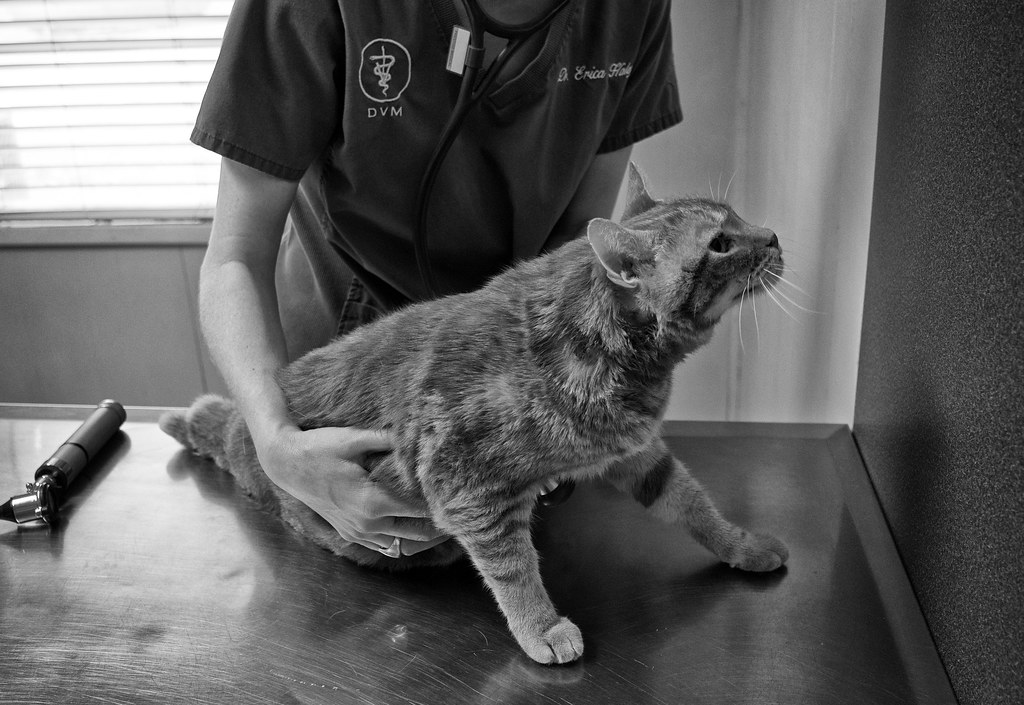
    If your cat seems perfectly fine at home, it can be tempting to skip the yearly trip to the vet. Many indoor cat owners feel this way, especially since cats are experts at hiding discomfort until a problem has already progressed. An annual checkup is one of the simplest ways to catch small issues before they become bigger ones.

    Why Annual Checkups Matter for Adult Cats

    Cats are instinctively good at masking pain and illness, a trait left over from their wild ancestors who needed to appear healthy to avoid predators. This means an adult cat who seems “totally normal” at home can still be quietly developing dental disease, early kidney changes, or weight issues that are much easier to manage when caught early.

    Even a cat that never goes outside benefits from routine visits. Indoor cats can still develop obesity, urinary problems, and age-related organ changes, and a wellness exam is often the only way these are noticed before symptoms show up.

    What Your Vet Will Check During the Visit

    A typical adult cat wellness exam covers more ground than most owners expect. Your veterinarian will usually go through each of the following:

    • Body weight and body condition score to track gradual weight gain or loss
    • Teeth and gums for tartar buildup, redness, or early dental disease
    • Eyes and ears for cloudiness, discharge, or signs of infection
    • Heart and lungs, listened to for murmurs or irregular rhythms
    • Abdomen, gently palpated to check organ size and detect discomfort
    • Coat and skin for dryness, lumps, parasites, or excessive shedding
    • Joints and gait, especially if your cat is entering the middle-age to senior range

    Your vet will also ask about diet, litter box habits, water intake, and any behavior changes. These questions matter just as much as the physical exam, since you see your cat’s daily habits in a way a fifteen-minute appointment never can.

    Common Tests Explained

    Not every cat needs every test every year, but your vet may recommend some of the following based on age, breed, and health history:

    • Complete blood count (CBC) to screen for anemia, infection, or inflammation
    • Blood chemistry panel to check kidney and liver values, blood sugar, and protein levels
    • Urinalysis to assess kidney function and detect early urinary tract issues
    • Fecal exam to check for intestinal parasites, which indoor cats can still pick up
    • Thyroid testing, often introduced once a cat reaches middle age
    • Vaccine review to confirm which core and lifestyle vaccines are due

    Baseline bloodwork done while a cat is still healthy is especially valuable. It gives your vet a reference point, so if something looks “off” a year or two later, they can compare it against what was normal for your specific cat rather than a generic range.

    How to Prepare for the Appointment

    A little preparation makes the visit smoother for both you and your cat. Consider working through this before you go:

    1. Write down any changes you’ve noticed in appetite, water intake, litter box habits, or energy level over the past few months
    2. Bring a fresh stool sample if your vet’s office requests one for a fecal exam
    3. List any supplements, medications, or diet changes since the last visit
    4. Note your cat’s current food, treats, and approximate daily portions
    5. Use a familiar carrier lined with a blanket that smells like home to reduce travel stress

    If your indoor cat’s routine dental care includes brushing or dental treats, mention this too. It helps your vet judge how much of any tartar buildup is despite your efforts versus something to address with a more thorough approach, which is covered in more depth in our guide to dental and tartar care for indoor cats.

    Signs Between Checkups You Shouldn’t Ignore

    Annual visits are important, but you don’t need to wait a full year if something changes. Keep an eye out for:

    • Noticeable weight gain or loss without a diet change
    • Drinking noticeably more or less water than usual
    • Straining in the litter box, or going outside the box
    • Bad breath, drooling, or pawing at the mouth
    • Hiding more than usual or a drop in interest in play
    • Vomiting or diarrhea that lasts more than a day

    When to Talk to Your Veterinarian

    Contact your vet promptly if you notice any of the signs above, especially straining in the litter box, which can signal a urinary blockage and is considered an emergency in cats, particularly males. Sudden lethargy, repeated vomiting, or a complete loss of appetite for more than a day also warrant a same-day call rather than waiting for the next scheduled checkup.

    If your adult cat is approaching the seven to ten year mark, it’s worth asking your vet whether more frequent monitoring makes sense, since this is often when the first subtle signs of kidney or thyroid changes appear. Our overview of kidney disease in indoor cats walks through what those early signs can look like.

    Quick Takeaways

    • Cats hide illness well, so annual wellness exams catch problems long before obvious symptoms appear
    • A full checkup covers weight, teeth, organs, coat, and joints, not just a quick look-over
    • Baseline bloodwork while your cat is healthy gives your vet a useful reference point for later years
    • Preparing notes on appetite, water intake, and litter box habits makes the visit more productive
    • Straining to urinate or sudden loss of appetite should never wait for the next scheduled visit

    This article is for general informational purposes only and is not a substitute for professional veterinary advice, diagnosis, or treatment. Always consult your veterinarian regarding your pet’s specific health needs.

    Aging gracefully, together.

    Photo by Anne Worner on Flickr, licensed under CC BY-SA 2.0.

    Sources and further reading

    These resources cover the specific topics listed below. They provide general education and do not constitute a veterinary review of this article.

  • Complete Health Guide for Kittens

    Complete Health Guide for Kittens

    Bringing a kitten home is one of the most exciting moments for any cat lover, but it also raises a lot of practical questions. Many new owners aren’t sure exactly when the first vet visit should happen, which vaccines actually matter, or what a normal kitten milestone looks like versus a red flag. This guide walks through the essentials of kitten health during the first year, from that first checkup through spaying or neutering.

    Your Kitten’s First Vet Visit

    Most veterinarians recommend scheduling a first checkup within the first week of bringing a kitten home, even if the kitten seems perfectly healthy. This visit sets a baseline for weight, overall condition, and any early concerns like parasites or congenital issues.

    During this first appointment, a vet will typically cover the following:

    • A full physical exam, including eyes, ears, teeth, and coat condition
    • A fecal test to check for intestinal parasites
    • The start of the core vaccination series
    • A discussion of feeding, litter box habits, and indoor safety
    • A plan for spaying or neutering timing

    Vaccination Schedule: What to Expect

    Protection passed from a mother cat can interfere with a kitten’s response to early vaccines, which is why several visits are needed. Your veterinarian will set the schedule for the products used. For the usual injected FVRCP series, the AAHA/AAFP outline is:

    1. Start no earlier than 6 weeks of age: FVRCP protects against feline herpesvirus/rhinotracheitis, calicivirus, and panleukopenia.
    2. Repeat every 3 to 4 weeks through 16 to 20 weeks of age; do not stop the series at 14 weeks.
    3. Discuss an FVRCP revaccination at 6 months with your vet.
    4. Rabies timing follows the vaccine label and local legal requirements.

    (AAHA/AAFP vaccination guidelines)

    The AAHA/AAFP guidelines consider feline leukemia virus (FeLV) vaccination core for cats younger than one year because of their age-related susceptibility. Your vet should check FeLV status before vaccination and plan later boosters around exposure risk. Exact timing still depends on the product, your kitten’s health, and local requirements. (AAHA/AAFP)

    Deworming and Parasite Prevention

    Discuss deworming and ongoing parasite prevention at the first visit, even if your kitten looks healthy. Your vet can choose an appropriate product and repeat-treatment plan based on age, history, testing, and local risks. (AAHA/AAFP)

    Flea prevention is worth discussing at the same visit. Indoor kittens can need parasite protection too; ask your vet to confirm that any product is suitable for your kitten before using it. (AAHA/AAFP)

    Spaying or Neutering: Timing and Benefits

    For cats not intended for breeding, the AAFP recommends spaying or neutering by five months of age. Your vet should tailor the timing to your kitten’s health and the procedure rather than waiting automatically until six months. (FelineVMA/AAFP)

    Beyond preventing unwanted litters, spaying and neutering is associated with a lower risk of certain reproductive cancers and can reduce behaviors like territorial spraying or roaming instincts as a cat matures.

    Nutrition and Growth Milestones

    Kittens grow quickly and have different nutritional needs than adult cats, which is why a kitten-formulated food matters during this stage. Look for a food labeled for growth or “all life stages” on the label, and ask your vet about appropriate portion sizes as your kitten grows.

    Most kittens transition to adult food somewhere between 10 and 12 months of age, though larger or slower-maturing cats may stay on kitten food a bit longer. Your vet can help you judge the right timing based on your cat’s growth and body condition.

    Signs Something May Be Wrong

    Kittens can become seriously ill quickly. Seek emergency veterinary care immediately for breathing difficulty, very pale or blue gums, collapse, extreme weakness, or straining without passing urine or stool. (Merck Veterinary Manual) Contact your vet promptly about other changes such as:

    • Lethargy or a kitten that suddenly seems unusually quiet or weak
    • Refusal to eat; contact your vet immediately rather than waiting for a set number of hours. (Cornell Feline Health Center)
    • Vomiting or diarrhea, especially if repeated or accompanied by other symptoms
    • Visible worms in stool or a noticeably bloated belly
    • A kitten that feels unusually cold or suddenly becomes weak; seek veterinary advice immediately
    • Litter box changes; unproductive straining needs immediate veterinary assessment

    Building Healthy Habits Early

    The habits you establish in the first year tend to carry forward for life. Getting a kitten comfortable with gentle tooth brushing early, for example, can make a real difference later on, since dental disease is one of the most common issues cat owners eventually deal with as their cats age.

    Keeping an eye on healthy weight gain from the start matters too, since kittens that grow into overweight adult cats face a higher risk of joint strain and metabolic issues down the road. If you’re already noticing changes in an older cat’s weight or teeth, it may be worth reading more about dental and tartar care in indoor cats or weight management in indoor cats for a sense of what to watch for over the years ahead.

    When to See a Vet

    Beyond scheduled vaccine and wellness visits, contact your veterinarian promptly if your kitten seems unwell. If your kitten stops eating, call immediately. Breathing difficulty, collapse, extreme weakness, or unproductive litter box straining calls for emergency care right away. (Cornell Feline Health Center) (Merck Veterinary Manual)

    When you are unsure about a change, call your vet or an emergency clinic for advice. Do not delay emergency care while waiting for a routine appointment or callback.

    Quick Takeaways

    • Schedule a first vet visit within the first week of bringing your kitten home.
    • The initial FVRCP series continues every 3 to 4 weeks through 16 to 20 weeks; your vet sets the complete vaccine plan.
    • Start a veterinarian-guided parasite-prevention plan early and keep it up as your cat grows.
    • Discuss spaying or neutering by five months if your cat is not intended for breeding, with timing tailored by your vet.
    • Seek emergency care for breathing difficulty or unproductive litter box straining; call your vet immediately if your kitten stops eating.

    This article is for general informational purposes only and is not a substitute for professional veterinary advice, diagnosis, or treatment. Always consult your veterinarian regarding your pet’s specific health needs.

    Aging gracefully, together.

    Photo by foshie on Flickr, licensed under CC BY 2.0.

  • Hairball Management in Indoor Cats: Signs & How to Manage It

    Hairball Management in Indoor Cats: Signs & How to Manage It

    If your indoor cat brings up a slimy tube of fur onto the rug every few weeks, you already know the drill: the retching sound, the mad dash to move your feet, the slightly resigned sigh afterward. Hairballs are one of the most common complaints indoor cat owners bring up, and for good reason — cats spend a large part of their day grooming, and that fur has to go somewhere.

    The good news is that occasional hairballs are usually a normal side effect of being a tidy, self-grooming animal. The less reassuring news is that hairballs can sometimes signal something more serious. This guide walks through why hairballs happen, how to manage them at home, and when the pattern is worth a call to your veterinarian.

    Why Indoor Cats Get Hairballs

    Cats groom themselves with a tongue covered in tiny, backward-facing hooks called papillae, which catch loose and dead hair as they lick. Most of that hair is swallowed. Normally it passes through the digestive tract and out in the stool without you ever noticing. When too much fur accumulates in the stomach at once, though, it can clump together and come back up as a hairball instead.

    Long-haired cats and cats that shed heavily may swallow more loose fur. Excessive grooming also deserves a closer look, especially if the coat is thinning or the skin looks irritated; don’t assume boredom is the cause. (Cornell)

    Signs Your Cat Has a Hairball Problem

    A visible clump of fur helps identify an expelled hairball, but the other signs below are not specific to hairballs. Coughing, repeated vomiting, or appetite changes need veterinary assessment rather than an assumption about swallowed fur.

    • Retching, gagging, or hacking sounds, sometimes for several minutes before anything comes up
    • Visible tube- or log-shaped clumps of fur in vomit
    • Frequent small vomiting episodes that don’t produce an actual hairball
    • Coughing or hacking, which can come from asthma or another respiratory problem and should not be assumed to be a hairball (Cornell)
    • Reduced appetite or picking at food after a retching episode
    • Visible mats or thinning fur from excessive grooming in one spot
    • Occasional constipation or small, hard stools

    An occasional hairball can happen, but there is no single frequency that makes other symptoms safe to ignore. A change in the usual pattern, or repeated retching without producing anything, is a reason to contact your veterinarian. (Cornell)

    How to Manage and Reduce Hairballs at Home

    You can’t stop a cat from grooming — nor would you want to, since it is a normal, soothing behavior. But you can reduce how much loose fur ends up swallowed in the first place. A few adjustments tend to make a real difference over time:

    1. Brush regularly. A few minutes of brushing several times a week (daily for long-haired cats) removes loose undercoat before your cat can groom it into their stomach. Regular grooming helps reduce swallowed loose hair. (Cornell)
    2. Keep fresh water available. A fountain may suit a cat who prefers moving water, but drinking more is not a treatment for persistent retching or a suspected blockage.
    3. Ask your vet about hairball-control food. Get veterinary advice before changing food to manage recurrent symptoms; a diet cannot substitute for assessment of a possible blockage. (Cornell) Many mainstream cat food brands offer formulas with added fiber designed to help fur move through the digestive tract rather than clump. These are widely available at both budget and premium price points; check current pricing and ingredient lists to compare options.
    4. Ask before adding fiber. Check with your veterinarian before adding pumpkin or another fiber supplement, especially if your cat is vomiting, eating less, or straining.
    5. Reduce stress-related overgrooming. If boredom or anxiety is driving excessive licking, environmental enrichment — window perches, puzzle feeders, scheduled play sessions — can cut down on grooming as a stress outlet.
    6. Use a hairball remedy gel if recommended. Petroleum- or oil-based lubricant gels, sold specifically for cats, can help fur pass through more easily. Use a laxative or lubricant remedy only with your veterinarian’s approval and directions, especially if your cat takes other medication. (Cornell)

    If you’re weighing a grooming tool for a fluffier cat, a stainless steel comb or a deshedding tool works well for most coats, and doesn’t need to be expensive to be effective — the routine of regular use matters more than the specific tool.

    When to Talk to Your Veterinarian

    Contact your veterinarian promptly for the following changes; repeated unproductive retching, breathing difficulty, or straining without producing urine should not be watched at home while trying hairball remedies.

    • Hairballs becoming more frequent than usual, or repeated vomiting
    • Repeated retching or gagging with nothing produced
    • Loss of appetite or a noticeable reduction in eating; contact your veterinarian without waiting for it to last a full day (Cornell)
    • Lethargy, hiding, or a hunched, uncomfortable posture
    • Constipation or a change in bowel movements; straining without passing stool or urine needs immediate veterinary attention (Merck Veterinary Manual)
    • Visible weight loss over time

    Repeated retching or vomiting can reflect a hairball obstruction or another illness and needs assessment without delay. (Cornell) Breathing difficulty is an emergency: seek veterinary care immediately. (Merck Veterinary Manual) Straining with little or no urine can mean a urinary blockage, which also needs immediate care. (Cornell) Our guide to urinary problems in indoor cats explains the warning signs, but do not delay care to try a hairball remedy.

    Quick Takeaways

    • Occasional hairballs can occur, but a change in pattern or other symptoms deserves attention.
    • Excessive grooming has several possible causes; thinning fur or irritated skin is worth discussing with your vet.
    • Regular brushing helps reduce how much loose fur a cat swallows.
    • Ask your veterinarian before using hairball diets, added fiber, or laxative remedies.
    • Repeated retching or appetite loss needs prompt veterinary advice; breathing difficulty or straining without urine needs immediate care.

    This article is for general informational purposes only and is not a substitute for professional veterinary advice, diagnosis, or treatment. Always consult your veterinarian regarding your pet’s specific health needs.

    Aging gracefully, together.

    Photo by sashafatcat / Flickr, licensed under CC BY 2.0.