Category: Senior Dog Care

  • How to Choose a Good Veterinarian

    How to Choose a Good Veterinarian

    If you’ve ever sat in a waiting room feeling rushed, unheard, or unsure whether the advice you just received was really right for your pet, you already know that not all veterinary care feels the same. As dogs and cats move into their senior years, the stakes of that relationship go up: more frequent visits, more complex decisions, and less room for a rushed five-minute appointment. Finding a veterinarian you genuinely trust is one of the most important things you can do for an aging pet.

    Why the Right Veterinarian Matters More As Pets Age

    A young, healthy animal can often get by with any competent clinic nearby. A senior dog or cat is a different story. Older pets tend to have overlapping conditions, arthritis alongside kidney changes alongside dental disease, and managing all of that well takes a veterinarian who is willing to slow down, explain trade-offs, and think about quality of life, not just test results.

    The right fit also matters for you. Caring for an aging pet is emotionally tiring, and a veterinary team that communicates clearly and treats you as a partner in decision-making makes a genuinely difficult stretch of life easier to manage.

    What to Look For in a Veterinary Practice

    Credentials and atmosphere both matter. A few things worth checking before you book a first appointment:

    • Accreditation status. In the United States, look for AAHA (American Animal Hospital Association) accreditation, which means the practice is voluntarily evaluated against standards for facilities, equipment, and patient care rather than just meeting the legal minimum to operate.
    • Comfort with senior and geriatric medicine. Ask directly whether the practice sees a lot of older pets and how they approach staged workups for animals with multiple health issues.
    • Clear pricing and estimates. A trustworthy clinic will walk you through cost ranges before running tests or starting treatment, not hand you a surprise bill.
    • Access to specialists. Even a great general practitioner will need to refer out occasionally for cardiology, oncology, or advanced dental work. Ask who they refer to and how that process works.
    • Emergency and after-hours guidance. Find out what happens if your pet has a problem at 9 p.m. on a Saturday, whether the practice has on-call staff, a partnership with a local emergency hospital, or simply a clear phone recommendation.
    • Facility cleanliness and low-stress handling. A calm, fear-conscious approach to handling matters even more for arthritic or anxious older pets who don’t tolerate being manhandled on a slippery table.

    Questions to Ask Before You Commit

    A short phone call or “meet the vet” visit can tell you a lot. Consider asking:

    1. How much time is typically allotted for a senior wellness exam compared to a routine check-up?
    2. Do you recommend baseline senior bloodwork, and at what age or life stage do you usually start it?
    3. How do you approach pain management for arthritis or chronic conditions?
    4. What is your philosophy on end-of-life care and quality-of-life conversations?
    5. Will I generally see the same veterinarian, or does the practice rotate doctors between visits?

    Pay attention not just to the answers but to how they’re delivered. A good sign is a veterinarian who welcomes questions rather than seeming rushed or defensive.

    Red Flags to Watch For

    • Appointments that consistently feel rushed, with little time for your questions.
    • Reluctance to explain why a test or treatment is being recommended.
    • Pressure to make an immediate decision on a costly procedure without a written estimate.
    • A revolving door of different veterinarians with no continuity in your pet’s records.
    • Dismissiveness about age-related symptoms, such as being told “that’s just old age” without further investigation of treatable causes.

    None of these on their own is necessarily disqualifying, clinics get busy, but a pattern of them is worth taking seriously.

    Making the Switch If You Need To

    Changing veterinarians can feel awkward, especially if your pet has been with the same clinic for years, but it’s a completely normal part of pet ownership. Most practices will transfer medical records to a new clinic on request, and you’re not obligated to explain your reasons. If cost is part of what’s driving the search, it can also help to look into how pet insurance works for dogs and cats before committing to a new long-term provider, since some clinics are more accustomed to working with insurance claims than others.

    Trust your instincts here. You know your pet’s normal behavior and history better than anyone walking into that exam room for the first time, and a good veterinarian will treat your observations as useful data, not an inconvenience.

    Quick Takeaways

    • Look for AAHA accreditation and genuine experience with senior pets, not just proximity to your home.
    • Ask about pricing transparency, referral networks, and after-hours emergency options before you need them.
    • A short meet-and-greet visit or phone call can reveal a lot about communication style and pace.
    • Rushed appointments, vague answers, or dismissiveness about age-related symptoms are worth taking seriously.
    • It’s normal and acceptable to switch veterinarians if the fit isn’t right, records can be transferred on request.

    This article is for general informational purposes only and is not a substitute for professional veterinary advice, diagnosis, or treatment. Always consult your veterinarian regarding your pet’s specific health needs.

    Aging gracefully, together.

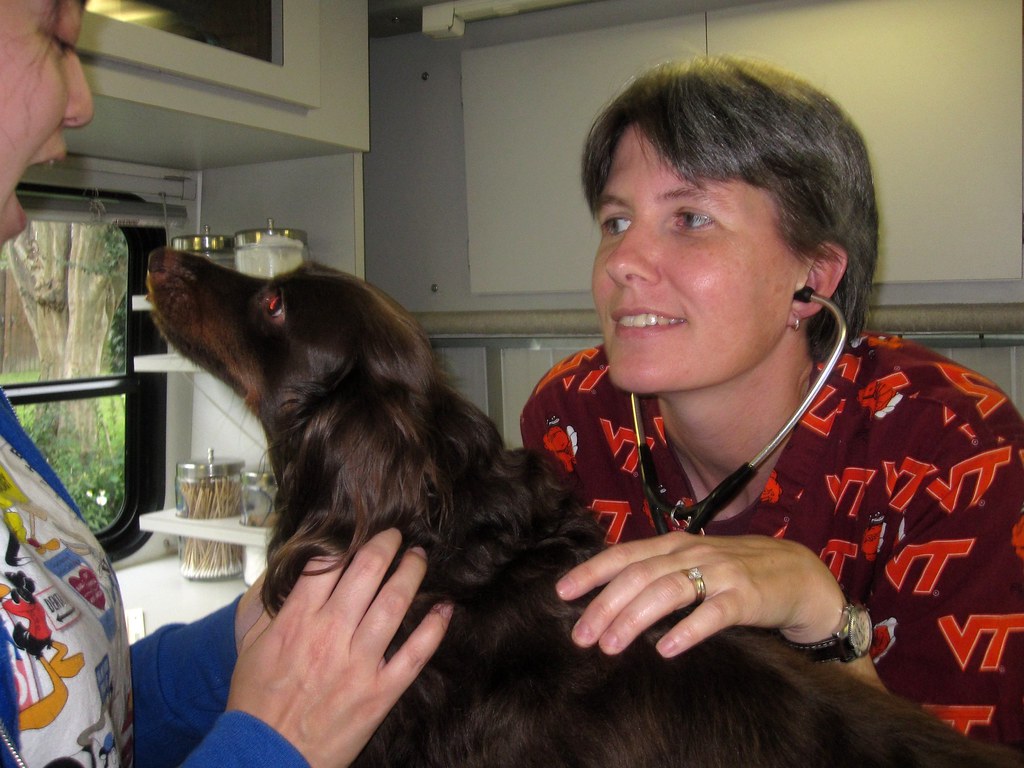
    Photo by Tobyotter / Flickr, licensed under CC BY 2.0.

    Sources and further reading

    These resources provide general background on the specific topics listed below. They are not a veterinary review of this article.

  • When Should You Get Pet Insurance for a Senior Dog?

    When Should You Get Pet Insurance for a Senior Dog?

    Many senior dog owners find themselves asking about pet insurance only after a big vet bill has already landed — and then wonder if it’s too late to bother. It’s a fair question. Insuring an older dog works differently than insuring a puppy, but “too late” is rarely the right way to think about it.

    You do not need to make this decision out of guilt about not starting sooner. The useful question now is what protection is still available for your dog, and whether it fits the care you already pay for.

    This guide discusses U.S. pet insurance. Availability, policy terms, and consumer protections vary by state and insurer; it is not a recommendation for a particular policy.

    Why Timing Feels Complicated Once Your Dog Is Already a Senior

    It is worth comparing options before another health problem appears, but that does not mean buying the first plan you find. The Texas Department of Insurance advises weighing what you can pay yourself against costs you would need insurance to cover. Start with your dog’s current care budget, then ask what a new policy would actually add.

    Pre-existing conditions are generally excluded. A formal diagnosis is not always the dividing line: the NAIC Pet Insurance Model Act also considers prior treatment, advice, and related signs or symptoms before coverage or during a waiting period. This is a model for states, not a nationwide law; check the definition in the policy offered in your state.

    Some policies may make exceptions for certain curable pre-existing conditions, as NAIC’s consumer guidance explains. Ask which conditions qualify and what symptom-free period or records are required. Do not assume an ongoing condition will become covered just because time passes.

    If joint pain is already part of everyday life, ask the insurer how that history affects coverage and budget for excluded care separately. Our complete guide to joint and hip health in senior dogs may help you prepare questions for your vet. Do not postpone needed care while sorting out insurance.

    What Changes When You Insure an Older Dog

    There is no single enrollment age cutoff that applies to every plan. NAIC’s pet insurance overview notes that some companies limit enrollment by age, and that age is one factor in pricing. Request the rules for your dog’s current age and the coverage you want; an accident-only option, if available, does not cover illnesses.

    New enrollment and renewal are different questions. If you already have insurance, check how covered ongoing conditions are handled at renewal before considering a switch. Ask what happens after a lapse or change of insurer. The NAIC model treats renewal differently from new enrollment for pre-existing conditions and waiting periods, but your state’s law and contract govern your policy. Do not cancel existing coverage on the assumption that a replacement will offer the same protection.

    Waiting periods also need a careful read. Ask for the effective date and the date each benefit starts, including any separate illness or orthopedic rules and available waivers. A payment receipt does not establish that every benefit has begun. There is no universal number of days to use for every state and policy.

    Questions to Ask Before You Enroll a Senior Dog

    Reading policy details can feel like a lot when you are already thinking about your dog’s health. Use this short list to compare the same things across plans, and request written answers alongside the sample policy:

    1. Premium: What would you pay monthly and over a year? Can it change at renewal, including as your dog ages?
    2. Deductible: How much must you pay before reimbursement, and does it reset each year or apply per condition?
    3. Reimbursement and coinsurance: What share of eligible costs does the insurer pay, what share stays with you, and in what order are the calculations applied?
    4. Limits: Are there annual, lifetime, or per-condition caps? Ask for a worked claim example.
    5. Exclusions: Which existing, hereditary, chronic, dental, or routine-care costs are excluded? Are exam fees and medicines included?
    6. Cash flow: Must you pay the vet first, and how are claims submitted and reimbursed?

    These comparison points are covered in NAIC’s consumer checklist. The premium is only one part of what you might spend; deductibles, your share of covered bills, excluded care, and amounts above limits still matter.

    If Traditional Insurance No Longer Makes Sense

    Choosing another way to prepare does not mean you care any less. Insurance and a medical savings fund do different jobs:

    • Insurance can contribute toward eligible unexpected costs under its terms, but premiums do not become a savings balance and claims are not guaranteed.
    • Dedicated savings can pay for the care you choose, including excluded conditions. The limitation is the balance available: a large bill can arrive before the fund has grown.
    • A combination may suit some households: insurance for eligible unexpected costs, with savings for deductibles, routine visits, and excluded care.

    A separate clinic wellness plan may help budget for listed routine services; it is not a substitute for accident-and-illness insurance. Compare its total fees with services you expect to use. Our overview of pet insurance basics is another starting point.

    Quick Takeaways

    • Compare options now, without assuming that every older dog can enroll or that every plan is worthwhile.
    • Check pre-existing-condition definitions, any exceptions, and exact benefit start dates in writing.
    • Review renewal protection before switching or allowing an existing policy to lapse.
    • Compare the full cost and exclusions, then decide how insurance and savings fit your household.

    Sources and further reading

    Sources checked October 14, 2026. These educational resources are not an insurer’s approval of coverage for your dog.

    This is general education, not personalized insurance or financial advice. Confirm the applicable policy terms with the insurer and your state insurance department.

    This article is for general informational purposes only and is not a substitute for professional veterinary advice, diagnosis, or treatment. Always consult your veterinarian regarding your pet’s specific health needs.

    Aging gracefully, together.

    Photo by Tima Miroshnichenko on Pexels.

  • Joint & Hip Health in Senior Dogs: The Complete Guide (All Breeds)

    Joint & Hip Health in Senior Dogs: The Complete Guide (All Breeds)

    If you’ve noticed your senior dog hesitating before jumping onto the couch, taking the stairs more slowly, or seeming stiff after a nap, you’re not imagining it. Joint and hip changes are one of the most common things senior dog owners notice, regardless of breed or size, and they tend to creep in gradually rather than arrive all at once. This guide brings together what matters most about aging joints in dogs of every size, including how the picture shifts depending on whether your dog is small, medium, or large.

    Why Joint Health Changes as Dogs Age

    Most joint pain in older dogs comes down to osteoarthritis, a slow breakdown of the cartilage that normally cushions the joints. As that cartilage thins, bones move against each other with less padding, which leads to inflammation, stiffness, and discomfort. This process affects dogs of all sizes, though the joints most commonly involved and the age of onset can vary somewhat by breed and body type.

    Joint disease can develop at different ages in dogs of every size. Painful stiffness should not be dismissed as an inevitable part of getting older. (AAHA)

    Signs of Joint & Hip Pain in Senior Dogs

    Because dogs are instinctively good at hiding pain, the early signs are often subtle. Many owners describe it as their dog just seeming “older” before they connect it to joint discomfort. Watch for:

    • Slower to rise from lying down, or stiffness after rest that improves once they get moving
    • Reluctance to jump into the car, onto furniture, or up and down stairs
    • A shortened or altered gait, limping, or favoring one leg
    • Licking or chewing at a specific joint
    • Muscle loss around the hips or thighs
    • Increased irritability when touched near sore areas
    • Reduced interest in walks or play they used to enjoy

    Some of these signs show up a little differently depending on size, which is worth understanding in more detail below.

    Joint Health Differences by Breed Size

    Osteoarthritis affects dogs of every size. Breed-related conditions can contribute, but treatment depends on the individual diagnosis rather than size alone.

    Small Breed Dogs

    Small and toy breeds are especially prone to patellar luxation, a kneecap that slips out of its normal groove, which is common in Chihuahuas, Yorkshire Terriers, and Pomeranians and can cause an intermittent skip in the back legs. Long-backed breeds such as Dachshunds also face a higher risk of intervertebral disc disease (IVDD), a spinal condition that can look like a hip or joint problem from the outside. It’s worth getting a proper veterinary diagnosis before starting supplements, since patellar luxation, arthritis, and spinal issues are managed differently. (Cornell) (Cornell)

    Medium Breed Dogs

    Medium-sized dogs can develop joint disease too; size alone does not tell you what is causing stiffness or which treatment will help. For a dog with mobility problems, ask whether a tailored rehabilitation plan, possibly including an underwater treadmill, would be useful. (AAHA)

    Large Breed Dogs

    Hip dysplasia is more common in large breeds, but its severity and treatment needs vary. For selected dogs, a veterinarian may discuss medical management or surgery, including hip replacement, based on the diagnosis and overall health. (Merck Veterinary Manual) Because ongoing joint care and potential procedures can add up over a dog’s senior years, some owners find it worthwhile to look into pet insurance well before a chronic joint condition develops, since pre-existing conditions are typically excluded from coverage.

    What Causes Joint Pain in Older Dogs

    Osteoarthritis is the most common culprit, but it’s rarely the only factor at play. Excess body weight adds direct strain to already vulnerable joints, and years of wear on hips, knees, elbows, or spine can compound over time. Some dogs also carry a genetic predisposition, such as hip dysplasia, that makes joint problems more likely as they age, even if it wasn’t obvious when they were young.

    Previous injuries, repetitive high-impact activity earlier in life, and certain breed-related conformation issues can all play a role as well. This is why two dogs of the same age can have very different joint health outcomes.

    How to Support Your Dog’s Joints at Home

    The good news is that a lot can be done to keep a senior dog comfortable. Home adjustments work best as part of a veterinary plan that also addresses pain.

    1. Manage weight carefully. Even a few extra pounds meaningfully increases the load on hips and knees. Ask your vet about an appropriate weight target and feeding plan.
    2. Keep up gentle, consistent movement. Ask your veterinarian what activity is appropriate. For dogs cleared for exercise, gentle, regular movement can be part of the plan; do not push through pain.
    3. Add traction and reduce jarring impact. Non-slip rugs on hardwood or tile floors, and ramps or step stools for the car or bed, reduce strain from slipping or repeated jumping. Choose flat, secure mats that will not slide or bunch up, and ask your vet which ramps or steps suit your dog.
    4. Provide supportive bedding. An orthopedic bed with supportive foam distributes weight more evenly than a standard cushion, which can ease pressure on sore hips overnight. If a specialized bed isn’t in the budget yet, a firm foam mattress topper cut to size and layered with a washable cover is a reasonable interim option.
    5. Talk to your vet about pain relief and any supplements. A treatment plan should reflect your dog’s diagnosis and comfort; pain medication is not reserved only for advanced disease. (Cornell)

    Joint Supplements: What to Know

    Joint supplements are widely used, but their evidence is not equal. AAHA finds stronger evidence for omega-3 fatty acids in dogs with osteoarthritis than for other nutraceuticals, including glucosamine-chondroitin products. (AAHA) Benefits are not guaranteed, and there is no reliable response timetable for every product. Agree with your vet on how to judge whether a supplement is helping rather than waiting while pain continues.

    Quality and formulation vary quite a bit between products, so it’s worth checking current pricing and vet recommendations rather than assuming the priciest option is automatically the best fit for your dog. Your veterinarian can also advise on dosing appropriate to your dog’s weight and health history.

    When to See a Vet

    Home adjustments can support comfort, but new or worsening stiffness needs veterinary assessment. Seek urgent care for sudden severe lameness or severe pain. (Merck Veterinary Manual) Contact your veterinarian if you notice:

    • Sudden lameness or a dog that suddenly won’t put weight on a leg
    • Visible pain, whimpering, or aggression when a joint is touched
    • Rapid decline in mobility over a short period
    • Noticeable muscle loss in the hind legs
    • Loss of appetite or withdrawal alongside mobility changes

    A veterinarian can confirm whether osteoarthritis or another condition is behind the symptoms, rule out other causes such as a spinal issue or torn ligament, and recommend a pain management plan suited to your dog specifically. (Cornell)

    Quick Takeaways

    • Joint stiffness can be a sign of painful disease and should not be dismissed as normal aging.
    • Breed, underlying joint conditions, past injury, and body condition all matter; size alone does not predict the severity of arthritis.
    • Weight management, gentle exercise, traction, and supportive bedding all help reduce joint strain at home, regardless of size.
    • Evidence for joint supplements varies; discuss any product with your vet and do not delay pain treatment while waiting for a benefit.
    • Sudden lameness or visible pain always warrants a veterinary visit rather than a wait-and-see approach.

    This article is for general informational purposes only and is not a substitute for professional veterinary advice, diagnosis, or treatment. Always consult your veterinarian regarding your pet’s specific health needs.

    Aging gracefully, together.

    Photo by Ajay Lamichhane on Pexels.

  • Pet Insurance 101: Is It Worth It for Dogs and Cats?

    Pet Insurance 101: Is It Worth It for Dogs and Cats?

    If you’ve ever sat in a vet’s waiting room doing quiet math in your head while your dog or cat gets checked out, you’re far from alone. Many pet owners don’t think seriously about pet insurance until they’re already holding an estimate for surgery, a diagnostic workup, or ongoing management of a chronic condition. By then, it’s often too late to get coverage that actually helps.

    Pet insurance isn’t a scam and it isn’t a magic bullet either. It’s a financial tool, and like any tool, it works well in some situations and poorly in others. Here’s a clear-eyed look at how it actually works, so you can decide whether it makes sense for your household.

    What Pet Insurance Actually Covers

    Most modern pet insurance policies are accident-and-illness plans. That means they’re built to help with unexpected veterinary costs: a torn ligament, an ingested toy that needs surgical removal, cancer treatment, or a sudden bout of pancreatitis. Many insurers also sell optional wellness add-ons that help offset routine costs like vaccines, dental cleanings, or annual bloodwork, though these usually cost extra and have their own payout caps.

    What a standard accident-and-illness policy typically does not cover is anything considered pre-existing, meaning a condition that showed symptoms or was diagnosed before the policy started or during its waiting period. This single detail is the reason timing matters so much, which we’ll come back to shortly.

    How Deductibles, Reimbursement, and Limits Actually Work

    Pet insurance almost always works on a reimbursement model rather than direct billing. You pay your veterinarian in full at the time of service, submit the itemized invoice to the insurer, and get a percentage of the eligible costs sent back to you. Three numbers shape how much that check ends up being:

    • Deductible: the amount you pay out of pocket each policy period (usually annual) before reimbursement kicks in.
    • Reimbursement percentage: the share of the remaining eligible bill the insurer pays, commonly somewhere between 70% and 90%, depending on the plan you choose.
    • Annual payout limit: a cap on how much the policy will pay out in a given year, which can range from a modest limit to unlimited on higher-tier plans.

    A lower deductible and higher reimbursement rate almost always mean a higher monthly premium, so the “right” combination depends on how much monthly cost you can comfortably absorb versus how much of a surprise bill you want covered.

    Why Age and Pre-Existing Conditions Matter So Much

    This is the part that catches a lot of senior pet owners off guard. Insurance is priced and underwritten based on risk, and an older dog or cat is statistically more likely to develop conditions like arthritis, kidney disease, or heart disease. That means premiums for senior pets are noticeably higher than for young, healthy ones, and some insurers cap the age at which you can first enroll a pet.

    More importantly, if your dog has already been showing signs of joint stiffness (something we cover in detail in our guide to joint and hip health in aging dogs) or your cat has had a prior urinary episode like the ones described in our piece on urinary issues in indoor cats, a new policy is unlikely to cover future flare-ups of that same condition. This is exactly why the honest answer to “should I get pet insurance” is almost always “the earlier, the better,” ideally while your pet is still young and has a clean veterinary record.

    Is It Worth It for a Senior Dog or Indoor Cat?

    If your pet is already a senior and has an established health history, a traditional insurance policy may offer limited value for conditions they already have, though it can still help with new, unrelated problems that come up. Some owners in this position find more practical value in policies specifically marketed for older pets, which tend to have adjusted premiums and terms, or in accepting that certain conditions simply won’t be covered and planning around that.

    For a younger dog or cat, the calculation is different. You’re essentially betting a predictable monthly cost against the much larger, unpredictable cost of an emergency surgery or a long-term illness diagnosis. For many households, that trade genuinely reduces financial stress and can mean the difference between saying yes to a treatment plan and having to decline it.

    Lower-Cost Alternatives Worth Considering

    Insurance isn’t the only way to prepare for veterinary costs, and it’s worth being upfront about that. A dedicated pet emergency savings account, funded with a small automatic transfer each month, gives you full control and never excludes a condition. Some veterinary clinics also offer in-house wellness plans or payment programs that can help spread out the cost of routine and even some non-routine care.

    A combination approach works well for a lot of families: a modest emergency fund for smaller surprises, paired with insurance (taken out while the pet is young) for the truly large, unpredictable events. Neither approach is inherently better; it comes down to your pet’s age, health history, and what helps you sleep better at night.

    How to Choose a Policy That Fits Your Pet

    1. Get quotes while your pet is healthy, ideally as a puppy or kitten, or as soon as possible after adoption.
    2. Read the policy’s list of exclusions carefully, especially how it defines “pre-existing” and whether any breed-specific conditions are excluded.
    3. Compare the deductible, reimbursement percentage, and annual limit together rather than looking at the monthly premium alone.
    4. Ask specifically how the insurer handles chronic, ongoing conditions like arthritis or kidney disease, since these matter most for aging pets.
    5. Check current pricing directly with a few providers, since premiums and terms are updated regularly and vary by location, breed, and age.

    Quick Takeaways

    • Standard pet insurance covers new accidents and illnesses, not conditions your pet already had before the policy started.
    • Reimbursement plans require you to pay the vet upfront and get a percentage back, based on your deductible and reimbursement rate.
    • Enrolling while a pet is young and healthy gets the most value out of a policy; enrolling a senior pet mainly helps with new, unrelated problems.
    • A pet emergency fund is a flexible, no-exclusions alternative or companion to insurance.
    • Always check current pricing and exclusions directly with providers before deciding, since terms change over time.

    This article is for general informational purposes only and is not a substitute for professional veterinary advice, diagnosis, or treatment. Always consult your veterinarian regarding your pet’s specific health needs.

    Aging gracefully, together.

    Photo by Erwin Bosman on Pexels.