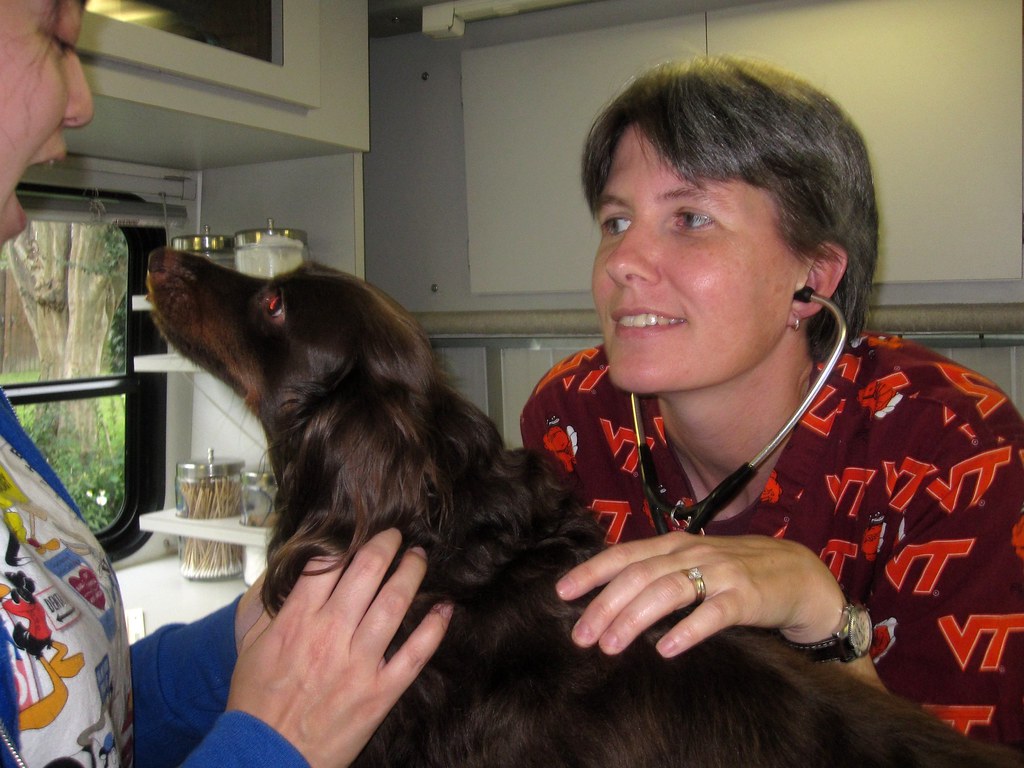
If you’ve ever sat in a waiting room feeling rushed, unheard, or unsure whether the advice you just received was really right for your pet, you already know that not all veterinary care feels the same. As dogs and cats move into their senior years, the stakes of that relationship go up: more frequent visits, more complex decisions, and less room for a rushed five-minute appointment. Finding a veterinarian you genuinely trust is one of the most important things you can do for an aging pet.
Why the Right Veterinarian Matters More As Pets Age
A young, healthy animal can often get by with any competent clinic nearby. A senior dog or cat is a different story. Older pets tend to have overlapping conditions, arthritis alongside kidney changes alongside dental disease, and managing all of that well takes a veterinarian who is willing to slow down, explain trade-offs, and think about quality of life, not just test results.
The right fit also matters for you. Caring for an aging pet is emotionally tiring, and a veterinary team that communicates clearly and treats you as a partner in decision-making makes a genuinely difficult stretch of life easier to manage.
What to Look For in a Veterinary Practice
Credentials and atmosphere both matter. A few things worth checking before you book a first appointment:
- Accreditation status. In the United States, look for AAHA (American Animal Hospital Association) accreditation, which means the practice is voluntarily evaluated against standards for facilities, equipment, and patient care rather than just meeting the legal minimum to operate.
- Comfort with senior and geriatric medicine. Ask directly whether the practice sees a lot of older pets and how they approach staged workups for animals with multiple health issues.
- Clear pricing and estimates. A trustworthy clinic will walk you through cost ranges before running tests or starting treatment, not hand you a surprise bill.
- Access to specialists. Even a great general practitioner will need to refer out occasionally for cardiology, oncology, or advanced dental work. Ask who they refer to and how that process works.
- Emergency and after-hours guidance. Find out what happens if your pet has a problem at 9 p.m. on a Saturday, whether the practice has on-call staff, a partnership with a local emergency hospital, or simply a clear phone recommendation.
- Facility cleanliness and low-stress handling. A calm, fear-conscious approach to handling matters even more for arthritic or anxious older pets who don’t tolerate being manhandled on a slippery table.
Questions to Ask Before You Commit
A short phone call or “meet the vet” visit can tell you a lot. Consider asking:
- How much time is typically allotted for a senior wellness exam compared to a routine check-up?
- Do you recommend baseline senior bloodwork, and at what age or life stage do you usually start it?
- How do you approach pain management for arthritis or chronic conditions?
- What is your philosophy on end-of-life care and quality-of-life conversations?
- Will I generally see the same veterinarian, or does the practice rotate doctors between visits?
Pay attention not just to the answers but to how they’re delivered. A good sign is a veterinarian who welcomes questions rather than seeming rushed or defensive.
Red Flags to Watch For
- Appointments that consistently feel rushed, with little time for your questions.
- Reluctance to explain why a test or treatment is being recommended.
- Pressure to make an immediate decision on a costly procedure without a written estimate.
- A revolving door of different veterinarians with no continuity in your pet’s records.
- Dismissiveness about age-related symptoms, such as being told “that’s just old age” without further investigation of treatable causes.
None of these on their own is necessarily disqualifying, clinics get busy, but a pattern of them is worth taking seriously.
Making the Switch If You Need To
Changing veterinarians can feel awkward, especially if your pet has been with the same clinic for years, but it’s a completely normal part of pet ownership. Most practices will transfer medical records to a new clinic on request, and you’re not obligated to explain your reasons. If cost is part of what’s driving the search, it can also help to look into how pet insurance works for dogs and cats before committing to a new long-term provider, since some clinics are more accustomed to working with insurance claims than others.
Trust your instincts here. You know your pet’s normal behavior and history better than anyone walking into that exam room for the first time, and a good veterinarian will treat your observations as useful data, not an inconvenience.
Quick Takeaways
- Look for AAHA accreditation and genuine experience with senior pets, not just proximity to your home.
- Ask about pricing transparency, referral networks, and after-hours emergency options before you need them.
- A short meet-and-greet visit or phone call can reveal a lot about communication style and pace.
- Rushed appointments, vague answers, or dismissiveness about age-related symptoms are worth taking seriously.
- It’s normal and acceptable to switch veterinarians if the fit isn’t right, records can be transferred on request.
This article is for general informational purposes only and is not a substitute for professional veterinary advice, diagnosis, or treatment. Always consult your veterinarian regarding your pet’s specific health needs.
Aging gracefully, together.
Photo by Tobyotter / Flickr, licensed under CC BY 2.0.
Sources and further reading
These resources provide general background on the specific topics listed below. They are not a veterinary review of this article.
- AAHA: About Accreditation: What AAHA accreditation evaluates and how its veterinary standards work.
- Oregon Veterinary Medical Association: Selecting a Veterinarian: Questions about fees, communication, services, continuity and emergency coverage.
Comments
4 responses to “How to Choose a Good Veterinarian”
[…] jump off the furniture was one near-miss with the emergency vet. I needed a ramp that worked, and I needed it […]
[…] on their own. If your dog does not yet have a veterinarian you feel confident in, our guide on how to choose a good veterinarian covers what to look for. A vet can examine the ear canal for infection, wax buildup, or growths, […]
[…] well-stocked kit works hand in hand with having a trusted veterinarian you already know and can call quickly when something goes wrong. It is also worth thinking about how unexpected injuries fit into your […]
[…] related reading, see our complete guide to joint and hip health in senior dogs, our guide on how to choose a good veterinarian, and our overview of when to get pet insurance for a senior dog. You can also explore more senior […]