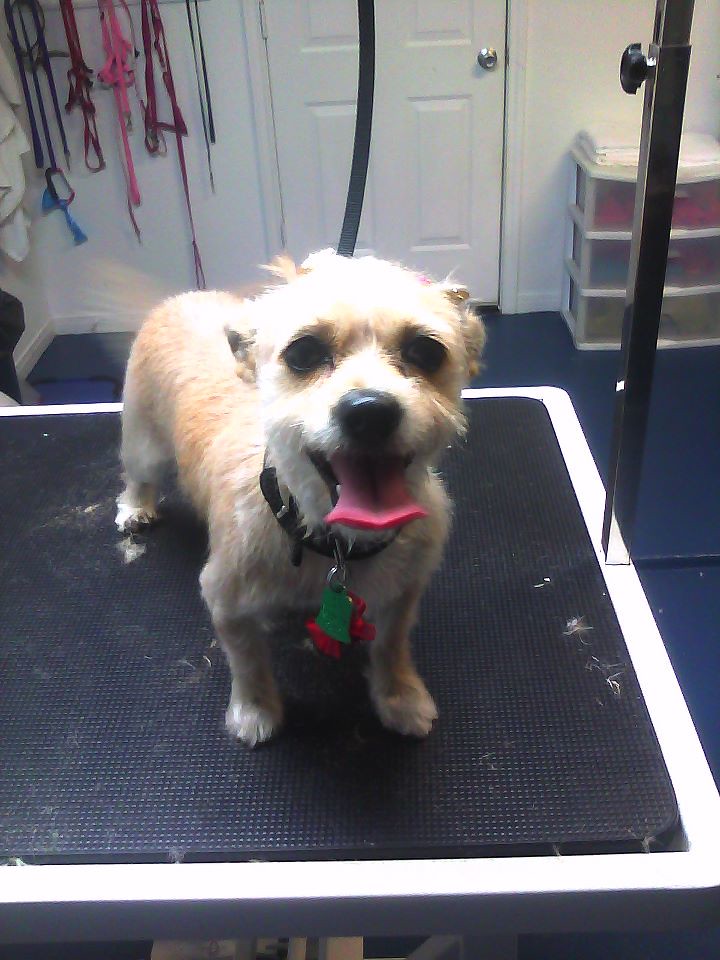
Author: Joseph’s Keeper

  • How to Choose a Good Groomer for Your Senior Dog or Indoor Cat

    How to Choose a Good Groomer for Your Senior Dog or Indoor Cat

    Owners often notice that grooming becomes more complicated as a dog or cat moves into its senior years. It is rarely because the pet suddenly dislikes being brushed or bathed. More often, thinner skin, stiffer joints, reduced patience for standing still, and in cats, a noticeable drop in self-grooming all change what a grooming session needs to look like. Finding a groomer who understands those changes, rather than simply booking whoever has the next available slot, is one of the more overlooked parts of senior pet care.

    Why Grooming Needs Change as Pets Get Older

    A groomer who has handled hundreds of healthy young dogs and cats is not automatically prepared for an older pet. Senior skin tends to be thinner and less elastic, which makes it easier to nick or irritate during clipping, and bruises or small cuts can take longer to heal. Arthritis and general joint stiffness can make standing on a table for an extended session genuinely uncomfortable, and many senior pets startle more easily if their hearing or eyesight has started to decline, which can turn a routine clipper sound or a sudden touch into a stressful surprise rather than a familiar part of the routine.

    Indoor cats in particular often groom themselves less thoroughly as they age, especially if obesity, arthritis, or dental pain makes it hard to reach certain areas of the body. Over time this can lead to matting around the hindquarters, the belly, and behind the ears that a routine brushing at home may not fully resolve, since a cat in pain often resists exactly the handling needed to work out a stubborn mat. None of this means grooming should stop. It means the approach usually needs to shift toward shorter sessions, gentler handling, and a groomer who is comfortable adjusting their routine rather than following the same process used on a two-year-old pet.

    What to Look for in a Groomer for an Aging Pet

    Credentials are a reasonable starting point, but they are not the whole picture. A groomer certified through a recognized program, such as the National Dog Groomers Association of America or the National Cat Groomers Institute, has generally demonstrated a baseline of skill and safety practices. Fear Free certification, which trains groomers and other pet professionals in low-stress handling techniques, is becoming more common and is worth asking about directly, since it often translates into a calmer, less rushed experience for an anxious or sore senior pet. Experience matters as much as paperwork, so it is reasonable to ask how long a groomer has been working with senior pets specifically and how they typically adjust their approach for one.

    For Senior Dogs

    Look for a groomer who is willing to break a full groom into shorter sessions, use a non-slip surface on the table and in the tub, and support joints rather than expecting a dog to hold a single position for the whole appointment. Ask whether they have experience with dogs that have arthritis, reduced mobility, or sensory decline, and whether they are comfortable skipping or modifying steps, such as a shorter nail trim schedule or a gentler drying method, when a full groom is not realistic that day. A groomer who offers a ramp or lift assistance for getting onto the table, rather than expecting an older dog to jump, is generally a good sign of senior-aware handling.

    For Indoor Senior Cats

    Many indoor cats are never groomed professionally until matting or a skin issue forces the question, so it helps to find someone with specific experience handling cats rather than a groomer who primarily works with dogs and takes cats occasionally. Senior cats often do better with a quieter environment, minimal restraint, and a groomer who recognizes when a cat has reached its stress limit and needs to stop rather than push through to finish a session. Some cat-only grooming salons also avoid having dogs on site at all, which can make a real difference for a cat that finds barking or unfamiliar animal smells overwhelming.

    How Often Should a Senior Pet Be Groomed

    There is no single schedule that fits every senior dog or indoor cat, since coat type, mobility, and overall health all play a role. Many senior dogs with longer or thicker coats still benefit from a professional groom every four to six weeks to prevent matting before it becomes painful to remove, while short-coated dogs may need less frequent full grooms but more regular nail trims, since thicker, more brittle senior nails can grow into an uncomfortable length faster than owners expect. For indoor cats, a professional groom every six to eight weeks is often enough once self-grooming starts to decline, though a cat with significant matting or a health condition affecting mobility may need more frequent attention. Discussing a realistic schedule with the groomer, rather than assuming the previous routine still applies, usually leads to a better outcome for an older pet.

    Questions to Ask Before Booking

    A short phone call or intake form usually reveals how a grooming business handles older pets. Useful questions include how they handle a dog or cat with arthritis or limited mobility, whether sessions can be shortened or split across visits, what their policy is if a pet becomes too stressed to continue, and whether they communicate directly with the owner if they notice something unusual, such as a new lump, an unusually thin area of coat, or a wound hidden under matted fur. It is also reasonable to ask what happens if a pet needs to be sedated to finish a groom, since many senior-aware groomers will stop and reschedule rather than push forward, or will recommend a veterinary visit first if a pet’s anxiety or pain seems unusually high. A groomer who answers these questions thoughtfully, rather than seeming surprised by them, is usually a good sign.

    Mobile, In-Home, and Fear-Free Options

    Mobile grooming vans and in-home grooming visits have become widely available in many areas, and they can be a meaningful improvement for a senior pet that finds car rides, waiting rooms, or unfamiliar environments stressful. Working in a familiar space, with no other animals nearby and no travel beforehand, often results in a calmer appointment and a lower chance of an anxious pet struggling against handling. For pets with significant mobility limitations, some in-home groomers are also more willing to work at a slower pace and stop sooner if the pet seems tired or sore, and the one-on-one attention typically means less time spent waiting in a crate between steps.

    When Grooming Reveals Something a Vet Should Check

    Because groomers see and handle a pet’s skin and coat closely, they sometimes notice things an owner misses at home, particularly on a cat that resists being handled for long or a dog with a thick coat that hides changes underneath. A new lump, a sore spot, a mat that is hiding irritated or infected skin underneath, unexplained weight loss or gain, or a pet that seems unusually resistant to being touched in a specific area are all worth mentioning to a veterinarian. None of these findings are automatically serious, but a timely check-in with the vet is the safer path whenever something looks or feels different than usual, and a groomer who flags these observations rather than staying silent is adding real value to a senior pet’s care team.

    Quick Takeaways

    • Senior pets generally groom better with shorter sessions, gentler handling, and a groomer experienced with aging dogs or cats.
    • Fear Free certification and experience with arthritic or sensory-impaired pets are worth asking about directly before booking.
    • Indoor cats often need a groomer comfortable working with cats specifically, not just a dog groomer who also takes cats.
    • Mobile and in-home grooming can reduce stress for pets that struggle with car rides or unfamiliar waiting areas.
    • A new lump, hidden skin irritation, or sudden weight change noticed during grooming is worth a follow-up call to the vet.

    For related reading, see our guide on how to choose a good veterinarian, our overview of allergies and skin issues in indoor cats, and our guide to hearing loss in senior dogs, which covers how reduced hearing can affect handling during routine care. You can also visit the Golden Years Pets homepage for more senior dog and indoor cat care guides.

    This article is for general informational purposes only and is not a substitute for professional veterinary advice, diagnosis, or treatment. Always consult your veterinarian regarding your pet’s specific health needs.

    Aging gracefully, together.
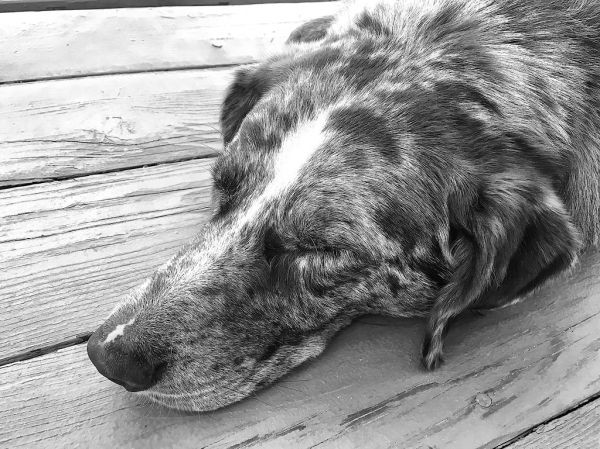
    Photo by NormZC on Flickr, licensed under CC BY 2.0.

  • Weight Management & Obesity in Senior Dogs: The Complete Guide (All Breeds)

    Weight Management & Obesity in Senior Dogs: The Complete Guide (All Breeds)

    Owners often notice that a senior dog who used to stay lean without much effort starts carrying extra weight, even when the food bowl hasn’t changed. It’s one of the most common and most overlooked health shifts in aging dogs, and it tends to creep up slowly enough that it’s easy to miss until a vet points it out at a checkup.

    At Golden Years Pets, we focus specifically on the health issues that matter most once a dog crosses into the senior years, generally considered to start around age seven, sometimes earlier for large and giant breeds. Weight management is one of the issues that affects nearly every aging dog in some form, which is why this guide looks at it across small, medium, and large breeds in one place rather than splitting it into separate articles.

    Why Weight Control Becomes Harder as Dogs Age

    Several things change at once in an older dog’s body, and together they make weight gain much easier and weight loss much harder than it was in younger years.

    Metabolism slows gradually with age, so a senior dog typically needs fewer daily calories than it did as an adult, even if its activity level has only dropped slightly. At the same time, muscle mass tends to decline (a process sometimes called sarcopenia), which lowers the body’s resting energy needs even further. Add in joint stiffness, reduced stamina, or conditions like arthritis that make long walks less appealing, and the combination of lower calorie needs plus less movement is a common recipe for slow, steady weight gain.

    Some veterinary surveys have estimated that well over half of dogs in the United States are classified as overweight or obese, and that proportion tends to be higher among middle-aged and senior dogs specifically. It’s a widespread issue, not a sign that an owner has done anything wrong.

    How to Tell If Your Senior Dog Is Overweight (Body Condition Score)

    The bathroom scale number matters less than how the body is actually shaped, which is why vets rely on a body condition score (BCS) rather than weight alone. A simple hands-on check can be done at home between vet visits:

    • Ribs: You should be able to feel the ribs with light pressure, without having to dig through a thick layer of fat, but they shouldn’t be sharply visible either.
    • Waist: Looking down from above, there should be a visible narrowing behind the ribs. A straight or barrel-shaped torso often signals extra weight.
    • Abdominal tuck: From the side, the belly should tuck upward behind the ribcage rather than hanging level with the chest.

    If the ribs are hard to find, the waist has disappeared, or the belly sags, it’s reasonable to assume some degree of excess weight is present. A vet can assign a more precise score (commonly on a 1-to-9 scale) and track it over time, which is far more useful than chasing a specific number on a scale.

    Weight Management by Size: Small, Medium, and Large Breed Considerations

    The underlying biology of weight gain is similar across all dogs, but the practical details, how much extra weight matters, how it shows up, and how aggressively it should be addressed, do shift somewhat by size category.

    Small Breed Senior Dogs

    On a small dog, even a pound or two of extra weight represents a much larger percentage of total body mass than the same amount would on a large breed. Small senior dogs are prone to issues like luxating patellas, tracheal sensitivity, and early dental disease, all of which can be worsened by extra weight. Portion control is especially important here because small adjustments in food amount have an outsized effect relative to body size, and it’s easy to overfeed when measuring “by eye” with a small kibble scoop.

    Medium Breed Senior Dogs

    Medium breeds often sit in a middle ground where weight gain is gradual enough to go unnoticed for months. Many medium-sized senior dogs are moderately active but no longer getting the same length or intensity of exercise they had as younger adults, which quietly reduces calorie burn. Regular body condition checks, rather than relying on how the dog “looks” day to day, tend to catch the drift early.

    Large Breed Senior Dogs

    For large and giant breeds, excess weight places significant extra load on joints that may already be dealing with age-related wear, and it is strongly linked to faster progression of arthritis and reduced mobility. Large senior dogs also tend to lose muscle mass more noticeably with age, so a dog can look “about the same” on the scale while actually carrying more fat and less muscle than before. Weight management in large breeds often works hand in hand with joint support strategies, since the two issues tend to compound each other.

    Building a Safe Weight-Loss Plan for an Older Dog

    Weight loss in senior dogs needs to be approached more carefully than in younger dogs, since rapid changes can affect energy levels, muscle preservation, and underlying conditions that are more common with age.

    • Start with a vet visit. Unexplained weight gain (or loss) in an older dog should first be checked for underlying causes such as thyroid issues, Cushing’s disease, or arthritis-related inactivity, rather than assumed to be simple overfeeding.
    • Adjust portions gradually. A vet can help calculate an appropriate daily calorie target based on current weight, body condition, and activity level, and a gradual reduction is generally safer than a sudden, drastic cut.
    • Measure food precisely. Switching from scooping by eye to using a kitchen scale or measuring cup is one of the simplest changes that tends to make a real difference.
    • Keep movement realistic. Shorter, more frequent walks are often easier on aging joints than one long walk, and low-impact options like swimming can help maintain activity without excess strain.
    • Limit extras. Treats and table scraps add up quickly in a smaller daily calorie budget; low-calorie options or using a portion of the regular kibble as training treats can help.

    Common Mistakes That Stall Weight Loss in Senior Dogs

    A few recurring patterns tend to slow down progress even when an owner is making a genuine effort:

    • Underestimating treats and scraps. These calories often aren’t counted toward the daily total, even though they can represent a meaningful share of it.
    • Cutting food without addressing mobility. If joint pain is limiting exercise, diet changes alone may not be enough; pain management and mobility support often need to happen alongside dietary adjustments.
    • Expecting fast results. Safe weight loss in an older dog is typically slow and gradual; dramatic week-to-week changes aren’t the goal and can be a red flag rather than a success.
    • Skipping follow-up weigh-ins. Regular rechecks, whether at home or at the vet, make it possible to catch a stalled plan early and adjust before frustration sets in.

    When to See a Vet

    A veterinary visit is a sensible starting point before beginning any weight management plan for a senior dog, and it becomes especially important if any of the following are present:

    • Noticeable weight gain or loss without a clear change in diet or activity
    • Increased thirst, urination, or appetite alongside weight changes
    • Reduced energy, exercise intolerance, or new reluctance to move
    • Signs of joint pain, such as stiffness, limping, or difficulty with stairs
    • A body condition score that seems to be trending in the wrong direction despite dietary changes

    A vet can rule out medical causes of weight change, confirm an appropriate calorie target, and help monitor progress safely over time, which matters more in senior dogs than in younger, otherwise healthy ones.

    Quick Takeaways

    • Weight gain in senior dogs is usually driven by a combination of slower metabolism, muscle loss, and reduced activity, not simply “eating too much.”
    • Body condition score, checking ribs, waist, and abdominal tuck, is a more useful measure than weight alone.
    • Small breeds are sensitive to even small amounts of extra weight; large breeds face a stronger link between excess weight and joint strain.
    • Safe weight loss in an older dog should be gradual and ideally guided by a vet, especially if other health changes are present.
    • Unexplained weight changes deserve a vet visit before starting any diet plan, since underlying conditions can be the real cause.

    For related reading, see our complete guide to joint and hip health in senior dogs, our guide on how to choose a good veterinarian, and our overview of when to get pet insurance for a senior dog. You can also explore more senior pet care topics on our homepage.

    This article is for general informational purposes only and is not a substitute for professional veterinary advice, diagnosis, or treatment. Always consult your veterinarian regarding your pet’s specific health needs.

    Aging gracefully, together.
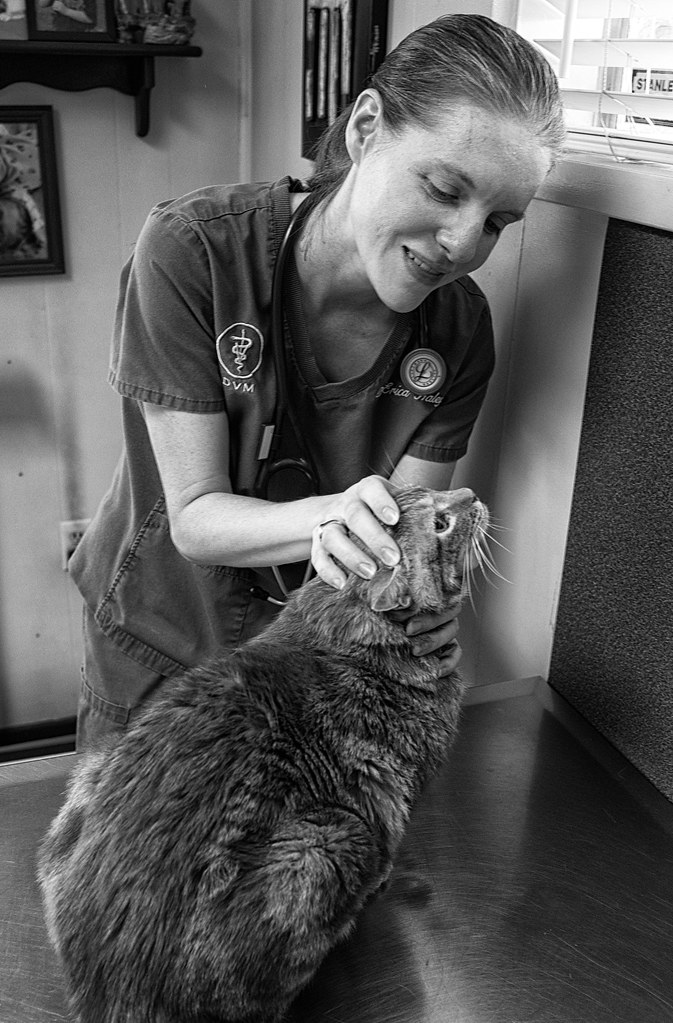
    Photo by cogdogblog on Flickr, licensed under CC0 1.0.

  • Urinary Blockages in Senior Male Cats: A Veterinary Emergency Every Owner Should Recognize

    Urinary Blockages in Senior Male Cats: A Veterinary Emergency Every Owner Should Recognize

    Many cat owners first notice something is wrong when a cat starts visiting the litter box again and again, straining each time but producing little or nothing. In a multi-cat household, it is easy to assume one of the other cats is simply using the box more often, so the warning signs of a urinary blockage are frequently missed in the first few hours, which are the hours that matter most. For senior indoor cats in particular, the early signs can be mistaken for the normal slowdown of getting older, which makes it worth understanding what a blockage actually looks like and why it is treated so differently from an ordinary urinary tract infection.

    Why Urinary Blockages Are a Veterinary Emergency

    A urinary blockage, also called a urethral obstruction, happens when the tube carrying urine out of the bladder becomes partly or fully blocked. A complete blockage stops a cat from emptying the bladder and can cause dangerous waste and electrolyte buildup, including heart-rhythm problems. Suspected obstruction needs veterinary care immediately; there is no safe waiting period at home. (Merck Veterinary Manual)

    Why Male Cats Are at Higher Risk

    Male cats are far more likely to experience a complete blockage than female cats, simply because of anatomy. The male urethra is longer and narrower, which makes obstruction more likely. Female cats can develop the same underlying urinary tract disease, including inflammation and crystal formation, but their shorter and wider urethra means a full obstruction is far less common, even though discomfort and straining can still occur. Both intact and neutered males are at higher risk than females. (Cornell Feline Health Center) Readers who want a broader look at urinary tract disease in cats, including how it shows up in female cats, may find our overview of urinary issues in indoor cats useful as a companion piece to this article.

    Signs That Point to a Blocked Cat

    Owners often notice a cluster of subtle changes before the situation becomes obvious. A cat may make frequent short trips to the litter box, crouching for long periods without producing urine, or producing only a few drops. Some cats cry out or vocalize while straining, which is frequently mistaken for constipation. As the obstruction progresses, cats typically become increasingly lethargic, may vomit, lose interest in food, and can start hiding more than usual. Licking at the genital area is also common, since the area is uncomfortable or irritated. A firm, swollen abdomen can sometimes be felt near the bladder, though this is not something owners should press on or try to diagnose themselves. Because senior cats already sleep more and move less, these early signs can blend into what looks like normal aging, which is part of why the condition is so often caught late. A cat who suddenly avoids the litter box altogether, choosing to urinate on a bathmat or in a sink instead, may actually be signaling pain associated with the box rather than a behavioral issue, so a sudden change in bathroom habits is always worth taking seriously in an older cat.

    What Puts Aging Indoor Cats at Risk

    Weight, activity, water intake, and stress can all be relevant when your veterinarian assesses lower urinary tract signs. These signs have several possible causes, so they should not automatically be attributed to crystals or aging. (Cornell Feline Health Center) For owners managing a cat with any chronic kidney concerns, it is worth reading our guide on catching kidney disease early in senior cats. Our broader look at how a cat’s health changes with age covers related shifts in appetite, mobility, and water intake that are worth tracking over time.

    When to See a Vet

    If your cat repeatedly strains and passes little or no urine, seek veterinary emergency care immediately. Do not wait 12 hours, overnight, or for vomiting or lethargy to appear. If you cannot tell whether a straining cat is constipated or unable to urinate, seek immediate veterinary assessment. (Cornell Feline Health Center) Your veterinarian will examine your cat and decide which tests and treatment are needed.

    How to Lower the Risk at Home

    Not every blockage can be prevented. Ask your veterinarian about water intake and an appropriate diet for your cat. Keep litter boxes clean and easily accessible, with generally one per cat plus one extra. (AAHA/AAFP) Maintaining a healthy weight through portion control and gentle, regular activity supports both urinary and joint health in aging cats. Reducing household stress, such as minimizing conflict between cats or keeping routines predictable, may help manage feline idiopathic cystitis. (AAHA/AAFP) If your vet prescribes a therapeutic urinary diet, follow the feeding instructions and ask before adding other foods or treats. Ask your veterinarian which follow-up tests your cat needs. A previous normal checkup does not make new urinary straining safe to watch at home.

    For more guides on keeping aging cats and dogs comfortable and healthy, visit the Golden Years Pets home page.

    Quick Takeaways

    • A complete urinary blockage stops urine flow and can rapidly become life-threatening.
    • Male cats face a much higher risk than female cats because of their longer, narrower urethra.
    • Repeated straining with little or no urine calls for immediate emergency care, even if your cat is still alert.
    • Weight, activity, water intake, and stress are worth discussing with your vet when planning urinary care.
    • Any cat suspected of being blocked needs veterinary emergency care immediately.

    This article is for general informational purposes only and is not a substitute for professional veterinary advice, diagnosis, or treatment. Always consult your veterinarian regarding your pet’s specific health needs.

    Aging gracefully, together.
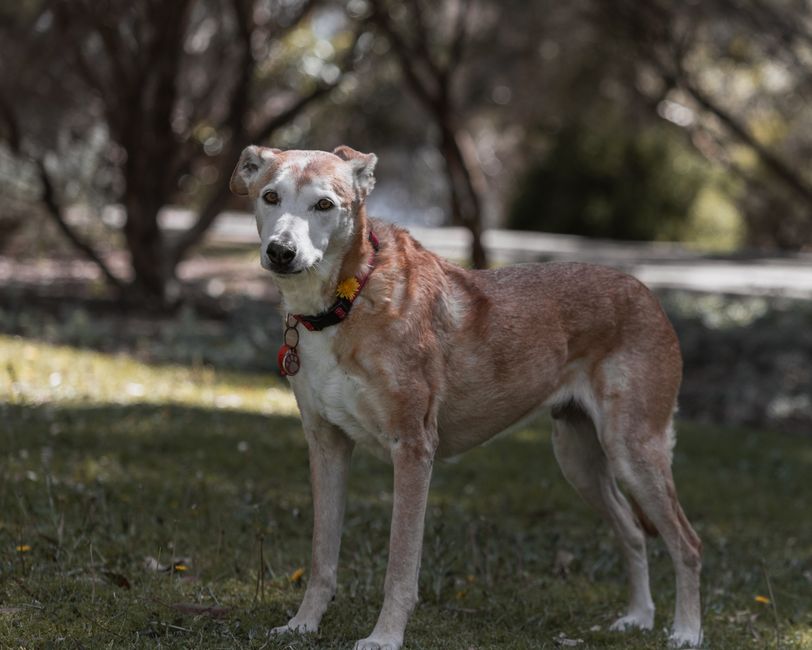
    Photo by Anne Worner on Flickr, licensed under CC BY-SA 2.0.

  • Hearing Loss in Senior Dogs: Signs, Causes, and How to Help (All Breeds)

    Hearing Loss in Senior Dogs: Signs, Causes, and How to Help (All Breeds)

    As dogs move into their senior years, many owners notice a gradual change that is easy to miss at first: a dog who once came running at the sound of a leash clipping together now seems to sleep through it. Hearing loss is one of the most common age-related changes in older dogs, yet it is also one of the easiest to mistake for stubbornness, selective listening, or simple tiredness. Understanding how hearing changes with age, and how to support a dog who is losing some or all of their hearing, can make a real difference in safety and quality of life during the senior years.

    Why Hearing Changes as Dogs Age

    Like people, dogs can develop age-related hearing decline known as presbycusis. This happens as the delicate nerve structures and hair cells inside the inner ear gradually wear down over years of use. The process is usually slow and progressive rather than sudden, which is part of why it often goes unnoticed until it becomes fairly advanced. Veterinary sources generally note that some degree of hearing decline becomes noticeable in many dogs by around 10 to 12 years of age, though the exact timing and severity vary widely from dog to dog. Genetics, noise exposure over a lifetime, chronic ear infections, and general health all appear to play a role in how quickly hearing changes.

    It is worth noting that hearing loss in senior dogs is rarely an isolated issue. Vision changes, cognitive decline, and reduced mobility often develop around the same time, and these overlapping changes can make it harder for owners to pinpoint exactly what is going on. A dog who seems “out of it” may actually be dealing with reduced hearing, reduced vision, or both at once.

    Recognizing the Signs of Hearing Loss in Senior Dogs

    Because the decline is usually gradual, the early signs can be subtle. Owners often notice one or more of the following changes before they consider hearing loss as the cause:

    • No longer responding to their name being called, especially from another room
    • Failing to react to the doorbell, other pets barking, or the sound of a food bag opening
    • Sleeping unusually deeply and not waking to normal household noise
    • Startling more easily when approached from behind or woken up suddenly
    • Seeming confused or slower to respond to familiar verbal cues
    • Barking more than usual, which can happen when a dog can no longer hear their own volume clearly

    A single missed cue is not necessarily meaningful, since every dog gets distracted. A consistent pattern across different sounds and situations is a stronger signal that hearing is genuinely declining.

    Small Breed Senior Dogs

    Small breed dogs often live longer on average than larger dogs, which means owners may have more years to observe a slow decline in hearing. Breeds with narrow ear canals or heavy ear hair can also be more prone to wax buildup and chronic debris accumulation, which may contribute to a conductive component on top of age-related nerve changes. Regular ear checks are especially useful in this group.

    Medium Breed Senior Dogs

    Medium breed dogs cover a wide range of ear shapes and coat types, so hearing changes in this group tend to follow the same general pattern seen across the broader senior dog population. The main difference is often practical: medium breed dogs are frequently active well into their senior years, so a sudden drop in responsiveness during walks or play can be one of the first noticeable clues.

    Large Breed Senior Dogs

    Large breed dogs tend to reach their senior years earlier than small breeds, and hearing changes can arrive around the same time as joint stiffness or mobility slowdown. This overlap means hearing loss is sometimes overlooked, since a large dog who is slower to respond might simply be assumed to be sore or tired rather than struggling to hear.

    Common Causes of Hearing Loss in Older Dogs

    Age-related nerve degeneration is the most frequent underlying cause, but it is rarely the only factor worth ruling out. Other contributors can include chronic or untreated ear infections, buildup of wax and debris blocking the ear canal, benign growths or polyps, and in some cases, certain medications. Because several of these causes are treatable, a hearing change should not be assumed to be purely age-related without a veterinary exam.

    How to Check Your Dog’s Hearing at Home

    A simple home check can help owners decide whether a vet visit is warranted. With the dog facing away and unable to see or feel vibrations, try a few different sounds from a few feet away, such as a soft clap, a squeaky toy, keys jingling, or calling their name in a normal tone. Watch for ear movement, head turning, or any other response. It helps to try this in a quiet room and at a few different volumes, since partial hearing loss can mean a dog responds to loud sounds but not quieter ones. This kind of check is not a substitute for a professional hearing assessment, but it can help owners decide how urgently to schedule one.

    When to See a Vet

    A veterinary visit is a good idea whenever hearing changes are suspected, rather than waiting to see if things improve on their own. If your dog does not yet have a veterinarian you feel confident in, our guide on how to choose a good veterinarian covers what to look for. A vet can examine the ear canal for infection, wax buildup, or growths, and can rule out treatable causes before concluding that the change is age-related. Veterinary attention is especially important if hearing loss appears suddenly rather than gradually, if it is paired with head tilting, loss of balance, or discharge from the ear, or if the dog shows signs of pain when the ears are touched. In some cases a vet may refer a dog for a specialized hearing test (such as a BAER test) to confirm the degree of hearing loss, particularly if the change is sudden or one-sided.

    Helping Your Senior Dog Adapt to Hearing Loss

    Dogs are generally adaptable, and many senior dogs continue to live comfortable, engaged lives after hearing loss sets in, especially when owners adjust how they communicate. Hand signals can replace verbal cues for common commands like sit, stay, and come, and are often easier to teach than expected since dogs already rely heavily on body language. A simple hand signal paired with a treat, practiced consistently, can be picked up within a few weeks even in older dogs.

    Vibration-based cues are also useful. Stomping gently on the floor, tapping a surface near the dog, or using a vibration collar (never a shock collar) can help get a dog’s attention from a distance. When approaching a sleeping or resting dog, using heavier footsteps or a light touch on the shoulder rather than the face can reduce startling. Outdoors, a leash becomes more important than ever, since a dog who cannot hear an approaching car, bicycle, or another dog is at higher risk in unfenced or off-leash settings.

    Patience matters as much as training. A dog who no longer responds to a called name or a verbal correction is usually not being defiant. Recognizing that the behavior change has a physical cause, rather than reading it as disobedience, tends to lead to calmer and more effective handling on both ends of the leash.

    For more guides on supporting dogs and cats through their senior years, visit the Golden Years Pets homepage.

    Quick Takeaways

    • Age-related hearing loss is common in senior dogs and usually develops gradually rather than suddenly.
    • Watch for missed cues like not responding to their name, the doorbell, or familiar household sounds.
    • Sudden hearing loss, head tilting, or ear pain warrants a veterinary visit rather than a wait-and-see approach.
    • Hand signals and vibration cues can effectively replace verbal commands for most dogs.
    • Leashing outdoors becomes more important once a dog can no longer hear approaching hazards.

    This article is for general informational purposes only and is not a substitute for professional veterinary advice, diagnosis, or treatment. Always consult your veterinarian regarding your pet’s specific health needs.

    Aging gracefully, together.
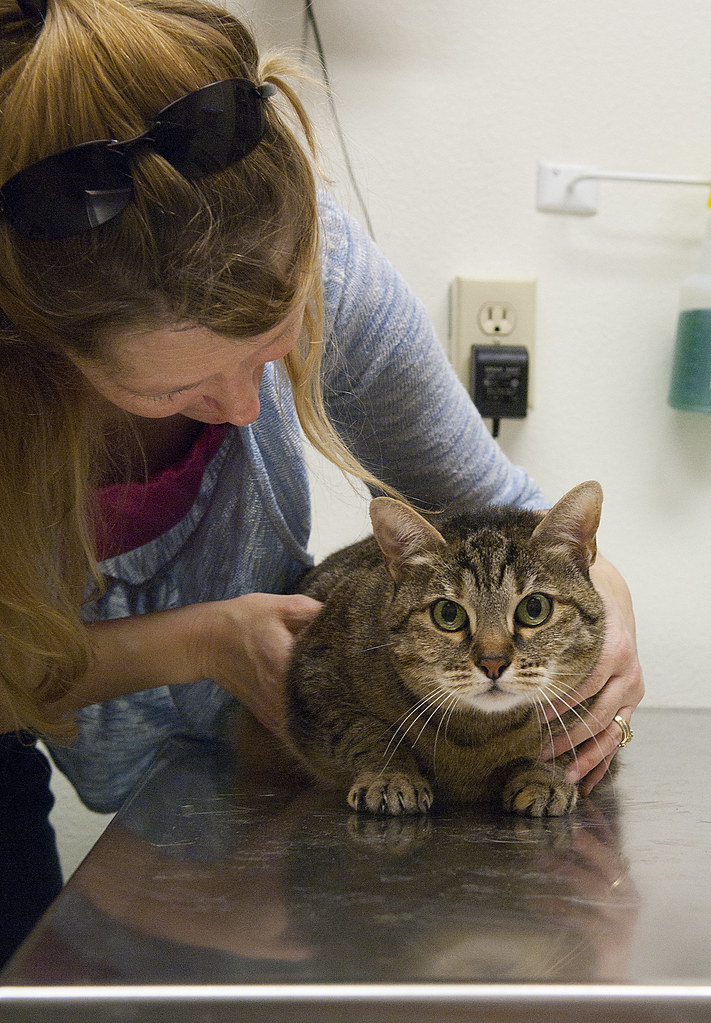
    Photo by Ajay Lamichhane on Pexels.

    Sources and further reading

    These resources cover the specific topics listed below. They provide general education and do not constitute a veterinary review of this article.

  • How to Catch Kidney Disease Early in Senior Cats

    How to Catch Kidney Disease Early in Senior Cats

    Kidney disease is one of the most common health problems in aging cats, and it is also one of the easiest to miss in its early stages. A cat’s kidneys can lose a significant portion of their function before any obvious symptoms appear at home, which is why routine screening matters so much more for senior cats than for younger ones. Owners often notice only the later signs, like increased thirst or weight loss, by which point a meaningful amount of kidney function has already been lost.

    This guide looks at why early detection makes such a difference, which signs are worth tracking at home, which tests veterinarians use to catch kidney changes sooner, and how often senior cats should be screened.

    Why Early Detection Matters So Much in Senior Cats

    Chronic kidney disease (CKD) is common in older cats. Early disease may cause no obvious symptoms, and a creatinine result within the laboratory range does not always rule it out. (Cornell Feline Health Center)

    That lack of obvious symptoms can be a trap. It means a cat can look and act completely normal for a long time even as kidney function quietly declines. Finding changes gives your veterinarian a chance to assess the cause and plan diet, monitoring, or supportive care appropriate to your cat’s condition.

    Early Signs Owners Often Miss

    Because the kidneys compensate for a long time, early CKD rarely announces itself with dramatic symptoms. Owners often notice subtle shifts rather than sudden changes, and it’s easy to write these off as “just getting older.” Some of the more common early patterns include:

    • Drinking noticeably more water, or a water bowl that needs refilling more often than before
    • Urinating more frequently, or producing larger clumps in the litter box
    • A gradual decline in body condition or muscle mass, even if appetite seems unchanged
    • A coat that looks a little duller or less well-groomed than usual
    • Slightly reduced interest in food, rather than a complete loss of appetite

    None of these signs are specific to kidney disease on their own, which is exactly why they’re easy to dismiss. A written or app-based log of weight, water intake, and litter box habits can help your vet assess changes. Report new symptoms promptly rather than waiting weeks or months to build a log.

    The Tests Vets Use to Catch Kidney Disease Early

    Modern veterinary screening for kidney disease typically combines a few different tools, because no single test tells the whole story:

    • Blood creatinine: A traditional marker of kidney function, though it often doesn’t rise above the normal range until a substantial portion of kidney function is already lost.
    • SDMA (symmetric dimethylarginine): A newer blood marker that many veterinary laboratories now run alongside creatinine, because it tends to rise earlier in the disease process, sometimes before creatinine moves out of range.
    • Urinalysis, including urine specific gravity: Checks how well the kidneys are concentrating urine and can reveal protein loss or infection that bloodwork alone might miss.
    • Blood pressure measurement: High blood pressure is common alongside kidney disease in cats and can itself cause further kidney damage if left unaddressed.
    • Urine protein-to-creatinine ratio: Measures urinary protein loss and helps assess CKD alongside the other findings. (Cornell Feline Health Center)

    Your veterinarian will usually interpret these results together rather than relying on any one number, and may use the IRIS (International Renal Interest Society) staging system after CKD is diagnosed. Staging is done when the cat is stable and well hydrated and helps guide management. (Cornell Feline Health Center)

    Screening Schedule and At-Home Habits That Help

    The 2021 AAHA/AAFP guidelines call cats aged 7 to 10 years mature adults and those over 10 seniors. (AAHA/AAFP) For apparently healthy cats, their diagnostic table suggests testing every 1 to 2 years in mature adults and at least annually in seniors, with six-monthly testing recommended. Your vet should tailor bloodwork, urinalysis, and other tests to your cat’s history and examination; illness may need closer monitoring. (AAHA/AAFP)

    Senior cats should have an examination at least every six months, even when the testing schedule differs. (AAHA/AAFP) These visits are not just about kidney screening. They also give your veterinarian a chance to track weight trends, dental health, and blood pressure in one visit, which makes the screening more efficient and easier to keep up with consistently.

    While nothing at home replaces veterinary monitoring, a few consistent habits can support kidney health and make changes easier to spot early between visits:

    • Keep fresh water readily available in locations your cat can reach comfortably
    • Track weight monthly using a kitchen or baby scale, since gradual loss is easy to miss by eye alone
    • Note any changes in litter box habits, including frequency, clump size, or straining
    • Discuss diet with your veterinarian before switching foods, since kidney-support diets are typically introduced gradually and only when appropriate for your cat’s stage of health
    • Keep a simple log of appetite, water intake, and energy level so you have something concrete to share at checkups

    When to See a Vet

    Routine senior wellness visits are the main way early kidney disease gets caught, but some changes warrant a sooner appointment rather than waiting for the next scheduled checkup. Contact your veterinarian promptly if you notice:

    • A sudden or significant increase in thirst or urination
    • Noticeable weight loss over a short period, even with a normal appetite
    • Vomiting, lethargy, or reduced appetite; contact your vet promptly, and call immediately if your cat stops eating. (Cornell Feline Health Center)
    • Bad breath with an unusual, ammonia-like odor
    • Pain, straining, or blood when urinating needs urgent assessment. Repeated straining with little or no urine, or uncertainty about whether urine is passing, calls for emergency care immediately. (Cornell Feline Health Center)

    If your cat has already been diagnosed with early-stage kidney disease, your veterinarian will likely set a specific recheck schedule. Sticking to that schedule, even when your cat seems to be doing well, is one of the most effective ways to keep the disease managed over the long term.

    Quick Takeaways

    • Cats can lose a large share of kidney function before symptoms appear at home, which is why screening matters more than waiting for visible signs.
    • Increased thirst, more frequent urination, and gradual weight loss are common early clues, but they’re easy to miss without tracking over time.
    • SDMA testing, alongside creatinine and urinalysis, can help flag kidney changes earlier than older methods alone.
    • Cats over 10 are senior under the 2021 AAHA/AAFP definition. Plan six-monthly examinations and an individualized testing schedule with your vet.
    • Simple at-home tracking of weight, water intake, and litter box habits gives your vet more useful information at each checkup.

    For more on recognizing and managing kidney disease once it’s diagnosed, see our guide to kidney disease signs and management in indoor cats. If you’re looking at the bigger picture of what changes as cats age, our senior cat health overview is a good starting point. Urinary symptoms can sometimes overlap with kidney concerns, so our guide to urinary issues in indoor cats is also worth a look. You can find more senior pet care resources on our homepage.

    This article is for general informational purposes only and is not a substitute for professional veterinary advice, diagnosis, or treatment. Always consult your veterinarian regarding your pet’s specific health needs.

    Aging gracefully, together.
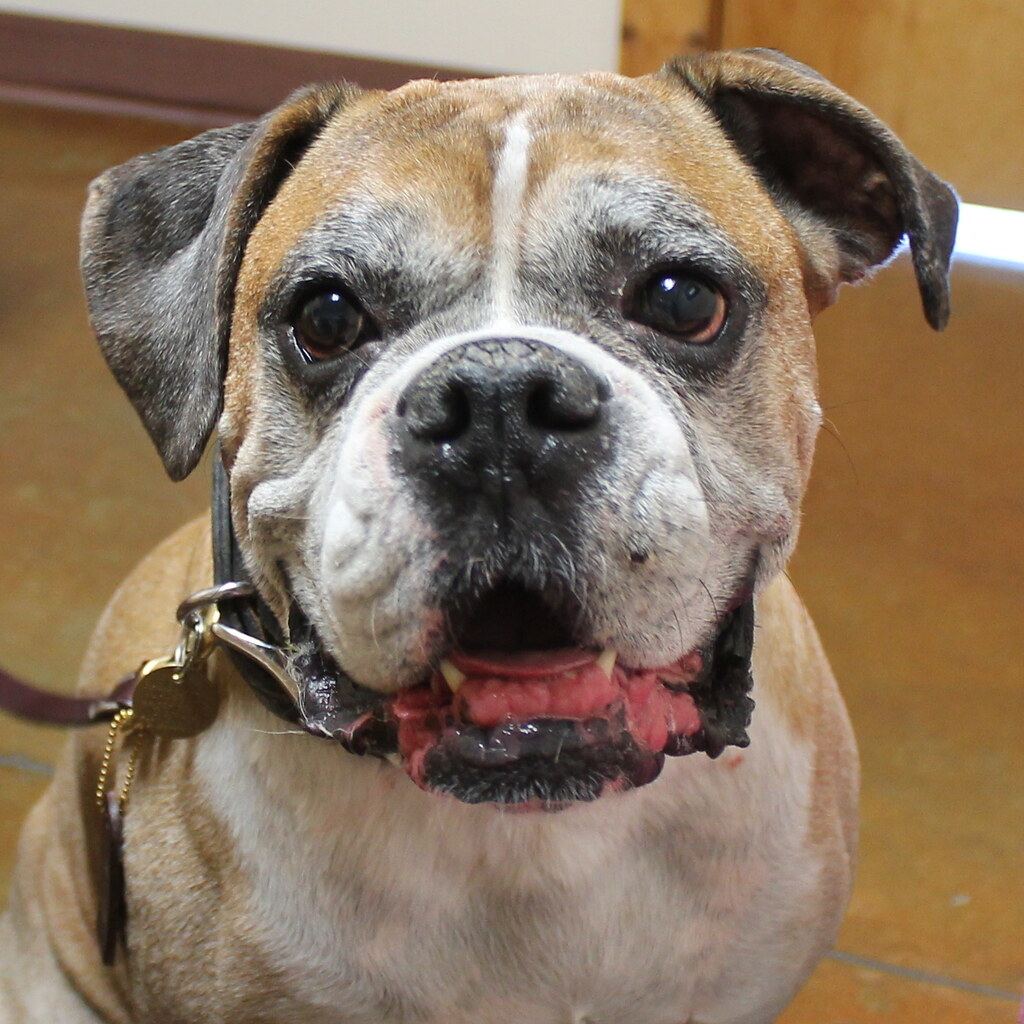
    Photo by R.J. Oriez on Flickr, licensed under Public Domain Mark 1.0.

  • Vision Loss in Senior Dogs: The Complete Guide (All Breeds)

    Vision Loss in Senior Dogs: The Complete Guide (All Breeds)

    Many dog owners notice it gradually: a senior dog hesitates at the top of the stairs, misjudges the distance to a food bowl, or startles more easily when approached from the side. These are often the first visible signs that a dog’s eyesight is changing. Vision changes deserve veterinary attention. While they can feel alarming at first, many dogs adapt well once owners understand what’s happening and how to help.

    This guide covers why vision changes with age, the most common causes of vision loss in senior dogs, what to watch for in dogs of different sizes, and practical ways to support a dog whose eyesight is fading.

    Why Vision Changes as Dogs Grow Older

    The lens can become hazier with age, but changes in vision should not automatically be blamed on aging. Eye disease can look similar to an age-related lens change, so a veterinary examination matters. (Cornell)

    It’s also worth noting that not all cloudiness in an older dog’s eyes means blindness is imminent. A bluish-gray haze in the pupil is frequently a normal age-related change called nuclear sclerosis, which affects how the lens scatters light but usually does not significantly impair vision. This is different from a cataract, which is an opaque clouding of the lens that does block light and can progress to full blindness. Distinguishing between the two typically requires a veterinary eye exam, since they can look similar to an untrained eye.

    Common Eye Changes and Causes of Vision Loss in Senior Dogs

    The following eye changes and diseases are worth knowing about:

    • Cataracts – An opacity that forms in the lens, blocking light from reaching the retina. Cataracts can be hereditary, diabetes-related, or simply age-related.
    • Nuclear sclerosis – An age-related lens change that can make the eyes look hazy and reduce fine detail, but does not cause blindness. (Cornell)
    • Progressive retinal atrophy (PRA) – A gradual, inherited degeneration of the retina that usually starts with night vision loss and can progress to complete blindness over months to years. (Merck Veterinary Manual)
    • Glaucoma – Increased pressure inside the eye that can damage vision. Signs of glaucoma need immediate veterinary assessment, even when they start subtly. (Merck Veterinary Manual)
    • Diabetes-related cataracts – Dogs with diabetes are especially prone to rapid cataract formation; a large share of diabetic dogs, commonly cited in the range of 75–80 percent, develop cataracts within about a year of diagnosis regardless of how well blood sugar is controlled. (Cornell)
    • Retinal detachment linked to high blood pressure – Often secondary to kidney disease, hormonal disorders, or untreated hypertension.

    Because several of these conditions overlap in appearance, a veterinary ophthalmic exam is generally the only reliable way to tell them apart and determine whether treatment options like surgery are appropriate.

    Signs Your Senior Dog May Be Losing Their Vision

    Dogs compensate for vision loss so well, using scent, hearing, and memory of familiar spaces, that owners often don’t notice anything is wrong until the environment changes. Common signs include:

    • Bumping into furniture or walls, especially in dim lighting or unfamiliar rooms
    • Hesitating at stairs, curbs, or thresholds the dog previously navigated easily
    • Trouble locating toys, food, or water bowls by sight
    • Reluctance to jump onto furniture or into the car
    • Increased startling when touched or approached unexpectedly
    • A visibly cloudy, bluish, or white appearance to one or both eyes
    • Clinginess or increased anxiety in new environments

    Because the onset is often slow, many owners first notice the problem when a piece of furniture is moved or the dog visits an unfamiliar location and suddenly seems disoriented.

    Vision Loss by Size: Small, Medium, and Large Breed Senior Dogs

    The same broad eye conditions can affect dogs of different sizes. Specific breed risks and an individual dog’s health matter more than a simple small, medium, or large label when deciding what a vision change means.

    Small Breed Senior Dogs

    If your small dog is often carried or held, you may notice changes in the eyes up close. Pay attention to hesitation or missed jumps too, and have new changes checked rather than assuming your dog is simply becoming clumsy.

    Medium Breed Senior Dogs

    For medium-sized senior dogs, watch familiar routines as well as movement in new places. Hesitation on stairs or near a deck edge deserves attention even if your dog still navigates the living room confidently.

    Large Breed Senior Dogs

    A large dog who hesitates to jump into a car may have vision changes, joint pain, or both. Describe what you notice to your veterinarian rather than deciding the cause from the dog’s size or a single behavior.

    Helping a Senior Dog Adjust to Vision Loss at Home

    Most dogs, including those who become fully blind, adapt well to vision loss when their environment stays consistent and predictable. Helpful strategies include:

    • Keep furniture in the same place. Dogs build a detailed mental map of their home; rearranging furniture removes that advantage.
    • Use texture cues. Different textured rugs near stairs, doorways, or the food area can help a dog orient without relying on sight.
    • Block off hazards. Baby gates near stairs, pools, or drop-offs reduce the risk of injury while a dog adjusts.
    • Use a consistent verbal cue before touching. If your dog can hear it, a familiar word can help announce your approach. Ask your vet about suitable cues if hearing is also reduced.
    • Keep walking routes familiar. Established routes that the dog already knows well tend to be far less stressful than new ones.

    Owners often find that dogs adjust to gradual vision loss faster than people expect, particularly when the rest of the home environment remains stable and the dog’s other senses are given a chance to take over.

    When to See a Vet

    Any new change in your dog’s eyes or vision warrants a veterinary call. Sudden loss of sight, a painful red eye, or rapidly worsening cloudiness needs urgent assessment; contact your veterinarian or an emergency clinic immediately. (Merck Veterinary Manual) Glaucoma can threaten sight and requires rapid treatment. (Cornell) Other warning signs to report include:

    • Sudden vision loss or disorientation, especially if it develops over hours or days rather than weeks
    • A red, painful, swollen, or rapidly cloudy eye, which can indicate glaucoma or acute inflammation
    • Squinting, excessive tearing, or pawing at the eye
    • Vision changes alongside increased thirst or urination, which can point to diabetes
    • A known diagnosis of diabetes, since cataract formation can progress quickly and benefits from early monitoring

    Even a gradual, apparently painless change should be assessed rather than left until a checkup six to twelve months away. After diagnosis, your vet can set the right monitoring interval and discuss ophthalmology referral. Cataract surgery can help selected dogs; Cornell reports success in roughly 80 to 90 percent of ideal candidates, with risks and outcomes depending on the individual case. (Cornell)

    Related reading: Mobility and vision changes often overlap, so our complete guide to joint and hip health in senior dogs may also help explain hesitation around stairs or furniture. Veterinary care for conditions like cataracts and glaucoma can be costly, which is why many owners also look into pet insurance for a senior dog before a diagnosis is made. For more senior dog and indoor cat care guides, visit the Golden Years Pets homepage.

    Quick Takeaways

    • Cataracts, retinal disease, glaucoma, and other conditions can affect sight; nuclear sclerosis causes haze but does not cause blindness.
    • A cloudy, bluish lens doesn’t always mean blindness; a veterinary exam is needed to tell nuclear sclerosis from a true cataract.
    • Dogs of every size need an individual assessment; size alone does not identify the cause of a vision change.
    • Keeping furniture, routes, and routines consistent helps most dogs adapt well to gradual vision loss.
    • Sudden sight loss or a painful, red, rapidly cloudy eye needs urgent veterinary assessment. Report gradual changes promptly too.

    This article is for general informational purposes only and is not a substitute for professional veterinary advice, diagnosis, or treatment. Always consult your veterinarian regarding your pet’s specific health needs.

    Aging gracefully, together.
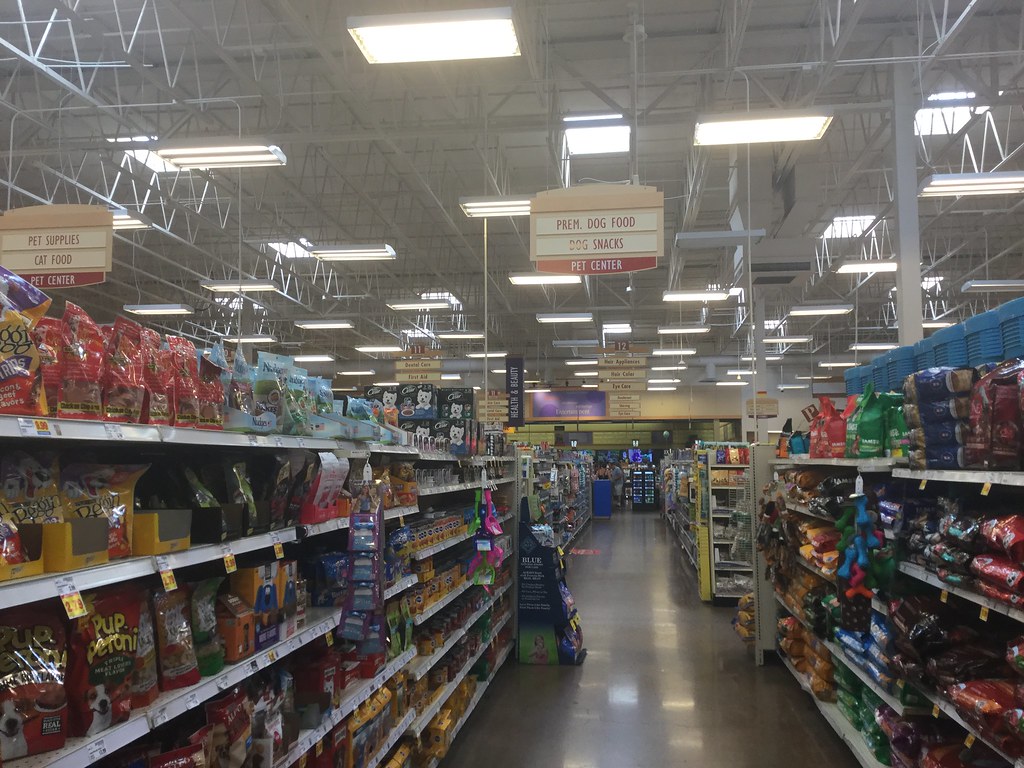
    Photo by mariposavet on Flickr, licensed under CC BY 2.0.

  • Amazon vs Chewy vs Local Pet Stores: Where to Buy Senior Pet Supplies

    Amazon vs Chewy vs Local Pet Stores: Where to Buy Senior Pet Supplies

    Senior pets tend to need more supplies, more often, than younger animals do. A ten-year-old dog with arthritis may go through joint supplements every month, while an aging cat on a kidney-support diet needs the same bag of food delivered like clockwork. Owners often notice that the shopping question shifts from “what should I buy” to “where should I actually be buying it,” especially once a monthly supply list starts to include medication refills, orthopedic bedding, and specialty food side by side.

    Amazon, Chewy, and local pet stores each have a different role to play in that routine. None of them is the single right answer for everything. This guide breaks down where each option tends to make sense, using price patterns and service differences that matter most for the recurring, higher-stakes purchases that come with caring for an aging pet.

    Why Shopping Strategy Matters More for Senior Pet Care

    Puppies and kittens usually need a short list of starter items. Senior pets, by contrast, often need an ongoing rotation of consumables: prescription or joint-support food, chewable supplements, dental treats, incontinence pads, and replacement parts for mobility aids like ramps or slings. Because these purchases repeat month after month, small differences in price or shipping reliability add up quickly over a year.

    There is also a practical-fit issue that does not apply to younger pets in the same way. An orthopedic bed, a support harness, or a set of pet stairs needs to match a specific dog’s weight, joint condition, and mobility level. Getting the sizing wrong on a recurring food order is annoying; getting it wrong on a harness a senior dog relies on to stand up can mean returning a product a frail pet has already struggled to use.

    Amazon for Senior Pet Supplies: Strengths and Limits

    Amazon’s biggest advantage is speed and selection. For owners who already have Prime, fast shipping on everyday items like puppy pads, slip-resistant rugs, or a particular brand of joint chews is hard to beat, and the sheer number of sellers means niche or discontinued products are often still findable somewhere on the platform.

    The tradeoff is consistency. Pricing on Amazon can fluctuate between sellers and even day to day for the same product, and pet food or supplement listings are sometimes fulfilled by third-party sellers rather than the manufacturer, which matters for anything with an expiration date or that needs to stay within a stable supply chain, such as a veterinary prescription diet. Reviews can also be mixed with unrelated products in poorly maintained listings, so it is worth double-checking that a joint supplement or medicated shampoo listing is sold and shipped by a source the pet’s veterinarian would recognize.

    Amazon tends to work best for one-off purchases, accessories that do not need veterinary sign-off, and situations where getting something within a day or two outweighs saving a few dollars.

    Chewy for Senior Pet Supplies: Strengths and Limits

    Chewy has built its reputation specifically around recurring pet purchases, which lines up closely with what senior pet care actually requires. Its Autoship program applies a modest discount, typically in the range of five percent off eligible items, to orders set on a repeating schedule, and that discount stacks with regular sales. For a household managing a monthly prescription diet or a joint supplement that needs to arrive every four to six weeks, that kind of automated, discounted reorder can remove one more thing to remember.

    Chewy also offers direct access to pharmacists and, in many cases, a customer service team that is used to handling prescription-related questions, refill timing, and vet-authorization paperwork. That can matter more than raw price when a senior pet is on multiple medications and a delayed refill is not something owners want to risk.

    The limit is selection outside of pet-specific categories. Chewy carries a wide range of mobility aids, orthopedic beds, and prescription food, but it will not replace a hardware store or a general retailer for adjacent needs like custom ramp-building materials or non-pet home modifications that often come up when accommodating an aging dog or cat.

    What Local Pet Stores Still Offer That Online Retailers Do Not

    The one thing neither Amazon nor Chewy can fully replace is hands-on fitting. A local pet store or a specialty retailer lets an owner try a harness on a dog with limited mobility before buying, feel the firmness of an orthopedic mattress, or get a staff member’s opinion on which ramp angle would suit a particular breed’s joints. For products where sizing mistakes are costly or hard to return, that in-person check can prevent a wasted purchase.

    Local stores are also useful for smaller, perishable, or bulky items that are inconvenient to ship: fresh treats, a single bag of a specific litter brand, or a heavy bag of food picked up the same day rather than waiting on delivery. Many independent and regional pet stores also know their customer base well enough to flag when a product has had quality issues, which is a layer of informal quality control that a marketplace listing cannot always provide.

    The downside is price. Local and specialty retailers rarely compete with online subscription discounts on recurring items, and selection is naturally narrower than an online catalog with millions of listings.

    How to Decide Where to Buy Each Type of Item

    Rather than picking one retailer for everything, most owners of senior pets end up splitting their shopping by category:

    Recurring consumables that do not need to be tried on first, such as prescription food, joint supplements, dental chews, or incontinence supplies, are usually cheapest and most convenient through a subscription service like Chewy’s Autoship, provided the specific product and brand are confirmed with a veterinarian first.

    Items that depend on a correct fit, including support harnesses, orthopedic beds, slings, and mobility aids, are worth trying locally when possible, or ordered online only from retailers with a straightforward return policy, since sizing charts do not always account for an individual senior pet’s build or the way arthritis has changed how they carry their weight.

    One-off or hard-to-find items, discontinued flavors, or accessories that need to arrive quickly are usually best handled through a large marketplace like Amazon, keeping an eye on the seller listed rather than assuming every offer ships from the same source.

    Price comparisons are worth revisiting periodically rather than assumed to be fixed. Promotional periods, first-Autoship discounts, and seasonal sales shift which retailer is cheapest for a given product from month to month, so a quick price check across two or three sources before a large reorder can be worth the few minutes it takes.

    A workable routine for most households looks something like this: set recurring, non-fitted items on an Autoship-style subscription to avoid running out of medication or food; keep a short list of fitted items to check locally before ordering; and reserve a general marketplace for anything urgent or unusual. Reviewing that list every few months, especially after a vet visit that changes a pet’s diet or mobility needs, keeps the routine from becoming outdated as a senior pet’s needs evolve.

    Quick Takeaways

    • Recurring items like prescription food and joint supplements are usually cheapest through a subscription service such as Chewy’s Autoship, which typically offers a modest discount around five percent on top of regular sales.
    • Amazon is strongest for fast shipping and hard-to-find or one-off items, but sellers and fulfillment sources can vary, so it is worth checking who actually ships a listing before ordering anything with an expiration date.
    • Local and specialty pet stores remain valuable for items that need a hands-on fit, such as harnesses, orthopedic beds, and mobility aids, where sizing mistakes are costly.
    • Splitting purchases by category, rather than committing to one retailer for everything, tends to save the most money and reduce fitting mistakes over time.
    • Always confirm any prescription diet, medication, or supplement change with a veterinarian before switching brands or suppliers, regardless of where it is purchased.

    This article is for general informational purposes only and is not a substitute for professional veterinary advice, diagnosis, or treatment. Always consult your veterinarian regarding your pet’s specific health needs.

    Aging gracefully, together.
    Related reading: Pet Insurance 101: Is It Worth It for Dogs and Cats?, Joint & Hip Health in Senior Dogs: The Complete Guide, and Building a Pet First Aid Kit. For more senior pet care guides, visit the Golden Years Pets homepage.

    Photo by Northwest Retail on Flickr, licensed under CC BY-SA 2.0.

  • Senior Cat Health: What Changes as Your Cat Ages

    Senior Cat Health: What Changes as Your Cat Ages

    As cats move into their senior years, the signs of aging often show up quietly. A cat that once leapt onto the counter without a second thought may start pausing at the bottom of the stairs. A cat that always finished her bowl may start leaving food behind. Owners often notice these small shifts long before they think to connect them to aging, and that gap is exactly where preventable problems tend to take hold. This guide walks through what actually changes in a senior cat’s body, which conditions show up most often, and how a bit of extra attention at home can make a real difference in comfort and quality of life.

    When Does a Cat Become a “Senior” Cat?

    There is no single birthday that flips a switch, but most veterinary sources use a similar framework. Cats are generally considered “mature” or “middle-aged” from about seven to ten years old, “senior” from roughly eleven to fourteen, and “geriatric” from fifteen onward. Indoor cats, which face fewer physical risks than outdoor cats, often live well into their late teens or early twenties, which means many cats spend a third or more of their lives in the senior category.

    Age alone is not the whole story. Genetics, breed tendencies, and whether a cat has been maintained at a healthy weight throughout life all influence how gracefully the senior years unfold. Two twelve-year-old cats can look and behave very differently depending on their health history, so it is worth thinking about senior care as a gradual adjustment rather than a single milestone.

    This gradual approach is really the foundation of everything on Golden Years Pets: the idea that most age-related problems are more manageable, and often more preventable, when they are caught early rather than addressed after a crisis. Senior cat care is less about any single dramatic intervention and more about paying steady attention over months and years.

    Common Health Changes in Senior Cats

    Several conditions become noticeably more common as cats age, and many of them develop slowly enough that early signs are easy to miss.

    Kidney disease. Chronic kidney disease is one of the most frequently diagnosed conditions in older cats. Early signs can be subtle, including increased thirst, more frequent urination, and gradual weight loss. Because kidney function often declines gradually, routine bloodwork tends to catch it earlier than physical symptoms do. Owners managing a cat through this condition may find it helpful to read more about kidney disease in indoor cats.

    Hyperthyroidism. An overactive thyroid gland is common in cats over ten and can cause weight loss despite a hearty appetite, restlessness, and a faster heart rate. It is usually manageable once diagnosed, which makes routine screening valuable.

    Arthritis and joint stiffness. Joint pain is widely underdiagnosed in cats because they tend to mask discomfort well. Reduced jumping, hesitation on stairs, and a stiffer gait after resting are common clues rather than obvious limping.

    Dental disease. Tartar buildup and gum inflammation tend to worsen with age and can make eating uncomfortable in ways that are easy to mistake for pickiness. More detail is available in this overview of dental and tartar care in indoor cats.

    Weight changes in either direction. Some senior cats gain weight as activity drops, while others lose weight as illness sets in. Either direction is worth monitoring closely, and this guide to weight management in indoor cats covers the basics of tracking body condition over time.

    Cognitive changes. Confusion, disrupted sleep patterns, and increased vocalization, especially at night, can point to age-related cognitive decline. These changes are sometimes mistaken for simple crankiness, but they usually have a physiological basis worth discussing with a veterinarian.

    Why Regular Veterinary Checkups Matter More With Age

    Many veterinary organizations, including the American Association of Feline Practitioners, generally recommend that senior cats be seen for wellness exams and bloodwork roughly twice a year rather than the annual visit typical for younger adults. The reasoning is straightforward: several of the most common senior cat conditions, including kidney disease and hyperthyroidism, are far easier to manage when caught through routine screening than when they are caught after symptoms become obvious.

    A typical senior wellness visit usually includes a physical exam, weight and body condition tracking, blood pressure measurement, and bloodwork that checks kidney values, thyroid hormone levels, and other key markers. Some veterinarians also recommend a urinalysis as part of this baseline. Bringing a log of any changes noticed at home, however minor they seem, can help a veterinarian connect the dots faster.

    It also helps to think of these visits as building a baseline rather than simply checking for problems. A cat’s individual “normal” for weight, bloodwork values, and behavior becomes far more useful once a veterinarian has two or three prior visits to compare against. A single test result in isolation tells less of a story than a trend does, which is one more reason consistency matters more than any single visit.

    Supporting an Aging Cat at Home

    Between checkups, small adjustments at home can meaningfully improve a senior cat’s daily comfort.

    Food and hydration

    Senior cats often benefit from food formulated for their life stage, and cats managing kidney or weight concerns may need a specific veterinary diet. Encouraging water intake, whether through multiple water stations or a fountain that keeps water moving, can support kidney and urinary health.

    Mobility and comfort

    Soft bedding placed away from drafts, along with pet stairs or ramps to favorite resting spots, can reduce strain on stiff joints. Keeping the litter box low-sided and easy to step into also matters more than owners often expect, since a cat in joint pain may avoid a box that is hard to access.

    Grooming and coat care

    Older cats sometimes groom themselves less thoroughly, particularly if arthritis makes twisting and stretching uncomfortable. Gentle brushing a few times a week helps prevent matting and gives owners a regular chance to check for lumps, skin changes, or weight loss.

    Mental engagement

    Low-effort play, window perches, and predictable routines help keep senior cats engaged without overtaxing joints or energy levels. Consistency also tends to reduce stress, which can itself worsen some age-related conditions.

    When to See a Vet

    While routine senior checkups form the foundation of good care, certain changes warrant a visit sooner rather than waiting for the next scheduled exam:

    • Noticeable weight loss or weight gain over a few weeks
    • Increased thirst or urination
    • Reduced appetite lasting more than a day or two
    • New reluctance to jump, climb, or use the litter box
    • Changes in vocalization, sleep, or general awareness
    • Bad breath, drooling, or visible discomfort while eating
    • Lethargy that seems out of character

    None of these signs automatically points to a serious problem, but each one is a reasonable reason to schedule an exam rather than wait. A veterinarian who is comfortable with senior and geriatric feline care, and who takes the time to explain bloodwork results in plain language, tends to make these visits far less stressful for both cat and owner over the long run.

    Quick Takeaways

    • Cats are generally considered senior starting around age eleven, though individual health history matters more than age alone.
    • Kidney disease, hyperthyroidism, arthritis, dental disease, and cognitive changes are among the most common senior cat conditions.
    • Twice-yearly veterinary checkups with bloodwork are commonly recommended for senior cats to catch issues early.
    • Simple home adjustments, from ramps to accessible litter boxes, can meaningfully improve comfort between visits.
    • Unexplained weight change, increased thirst, or reduced appetite are worth a vet visit rather than a wait-and-see approach.

    This article is for general informational purposes only and is not a substitute for professional veterinary advice, diagnosis, or treatment. Always consult your veterinarian regarding your pet’s specific health needs.

    Aging gracefully, together.

    Photo by Anna Zaykina on Pexels.

    Sources and further reading

    These resources cover the specific topics listed below. They provide general education and do not constitute a veterinary review of this article.

  • Dental Care in Senior Dogs: The Complete Guide (All Breeds)

    Dental Care in Senior Dogs: The Complete Guide (All Breeds)

    If your dog’s breath has gone from “not great” to hard to ignore, it is natural to wonder whether something has changed. And if brushing has never been easy, starting a new routine with an older dog can feel daunting. You do not have to figure it all out at once: a gentle routine and help from your veterinary team are a good place to begin.

    Senior Dog Dental Care in Simple Terms

    Keep the teeth clean, watch for pain, and arrange regular vet checks. Brush daily with dog toothpaste when your dog is comfortable. Brushing removes soft plaque; it cannot remove hardened tartar or treat an infected tooth. Bad breath, bleeding, or trouble eating are reasons to contact your vet, even if your dog still eats. A complete dental examination and cleaning require anesthesia, with the plan based on your dog’s individual health.

    This guide brings together what matters for dental care across all breed sizes, since the basics of prevention and warning signs are similar no matter how big your dog is, along with how the specific risk factors and practical tips shift depending on your dog’s size. If your dog is also slowing down physically, our complete guide to joint and hip health in senior dogs covers a condition that often needs to be managed alongside dental care.

    Why Dental Care Matters More As Dogs Age

    Periodontal disease damages the gums and other structures that hold teeth in place. Plaque is a soft film of bacteria on the teeth; it can harden into tartar. Disease below the gumline can cause pain and tooth loss, even when the visible teeth do not look especially bad.

    Oral and overall health are linked, but this does not mean dental disease has been proved to directly cause every heart, kidney, or liver problem. AAHA explains the limits of these causal claims. Keeping your dog comfortable and treating painful mouth disease are important goals in their own right.

    Signs of Dental Disease in Senior Dogs

    Dogs are good at hiding discomfort, so dental pain often shows up in subtle behavioral changes before it shows up as an obvious mouth problem. Watch for:

    • Persistent or worsening bad breath
    • Yellow or brown tartar buildup along the gumline
    • Red, swollen, or bleeding gums
    • Dropping food while eating, or chewing only on one side
    • Pawing at the face or rubbing the mouth on furniture
    • Visible loose, broken, or missing teeth
    • A sudden preference for soft food over kibble
    • Reduced interest in chew toys they used to enjoy

    Do not wait for several signs to appear or try to cover up bad breath with a chew. AVMA recommends an earlier dental check when these changes occur. A dog who still eats may still have dental pain.

    Dental Care Needs by Breed Size

    Breed size genuinely does change the picture here. In short:

    Small Breed Dogs

    A small mouth needs a careful routine. Crowded or poorly aligned teeth can make plaque control harder. AAHA notes that small dogs often need more involved dental prevention. Ask your vet which areas of your senior dog’s mouth need extra attention and how often to return for checks.

    • Choose a brush that fits. Use a small, soft-bristled pet toothbrush that reaches comfortably inside the lip, with dog toothpaste. Ask the veterinary team to show you the best size and technique for your dog. AAHA recommends soft bristles and pet toothpaste.
    • Build comfort before coverage. Start with a few easy-to-reach teeth in a short session, gently lifting the lip instead of forcing the jaw open. Reward cooperation and gradually work toward the daily routine below. AVMA emphasizes patience and training.
    • Stop if the mouth hurts. Do not brush through bleeding, soreness, or pain-related resistance. Contact your vet before trying again; brushing inflamed gums can be painful. Home care cannot replace treatment for an infected or loose tooth.
    • Match chews to your dog. Choose the labeled size for your dog’s body weight and supervise chewing, as VOHC advises. Check the accepted-product list for plaque or tartar claims. Avoid hard bones and antlers that can break teeth; see AAHA’s chew-safety handout. Ask your vet whether any chew is suitable if teeth are loose, painful, or missing.

    Medium Breed Dogs

    Medium breeds also need individual dental checks: mouth shape, tooth alignment, and home-care history matter more than a simple size label. Dogs who never had a dental routine established when they were younger often show more advanced disease by the time they’re seniors, simply because plaque has had more uninterrupted years to turn into tartar.

    Large Breed Dogs

    Larger dogs can develop gum disease and broken teeth, too. Chewing hard toys, antlers, or bones can fracture teeth, and an untreated broken tooth can become infected. Dogs of any size can hide dental discomfort, so a lack of obvious distress does not rule out disease. Choosing chew toys with some flex, rather than very hard bones or antlers, meaningfully lowers fracture risk.

    Daily and At-Home Dental Care Steps

    If brushing has been a struggle, you are not alone. Start with what your dog comfortably allows and build from there, with your veterinary team’s help. Make the routine gentle and predictable. AAHA recommends daily brushing and warns that brushing inflamed gums can hurt. If the mouth looks sore, bleeds, or your dog resists because of pain, ask your vet to assess it before starting.

    1. Choose the right supplies. Use a soft-bristled pet toothbrush and toothpaste made for dogs. Never use human toothpaste; it may contain ingredients that are unsafe for dogs. Ask your veterinary team to demonstrate a comfortable technique.
    2. Start small. Let your dog taste a little dog toothpaste, then try a few teeth in a short, calm session. Build up gradually and reward cooperation. Do not force the mouth open or continue if your dog is distressed.
    3. Work toward brushing every day. Gently lift the lip and brush the outside tooth surfaces near the gumline. Watch for redness, bleeding, or a change in comfort as you go. Brushing controls plaque; it does not remove hardened tartar. Leave tartar removal to the veterinary team.
    4. Choose extras carefully. Ask your vet whether a VOHC-accepted product suits your dog. The seal covers plaque control, tartar control, or both; check the specific claim. Use the correct size and supervise chewing. Chews supplement care rather than replace brushing or dental treatment.
    5. Keep veterinary checks in the plan. Have the mouth checked at least yearly, or more often if your vet recommends it. Do not wait for that appointment if eating, breath, or comfort changes.

    If brushing remains difficult, ask about a suitable dental wipe, diet, or other evidence-based option. Do not rely on ordinary toys or carrots to treat dental disease. See AAHA’s home-care advice and VOHC’s explanation of its seal and chew-safety guidance.

    Professional Cleanings and Anesthesia Considerations in Senior Dogs

    Your vet can look at the mouth while your dog is awake. A complete assessment, dental X-rays, and cleaning above and below the gumline require anesthesia. Removing visible tartar from an awake dog is not an equivalent treatment: it misses disease under the gums. AAHA explains why anesthesia is part of complete dental care.

    Understandably, anesthesia is the part that worries many owners of older dogs. It is reasonable to want a clear explanation of what the procedure means for your own dog. Older age alone does not rule out anesthesia, but no procedure is risk-free. Your vet should assess your dog’s health, recommend appropriate tests, and discuss monitoring, pain control, and recovery. The 2023 AAHA Senior Care Guidelines recommend an individual assessment. Ask how the expected benefits compare with your dog’s risks. If cost is a concern, request an estimate and discuss whether staged treatment is appropriate.

    When to Talk to Your Veterinarian

    Contact your veterinary clinic promptly for a broken or loose tooth, mouth bleeding, facial swelling, refusal to eat, or repeated dropping of food. Describe when it started and ask how soon your dog needs to be seen. Do not dismiss bleeding just because it followed a chew or injury.

    Persistent bad breath, tartar, or red gums also deserve an appointment. These signs do not identify the cause on their own; your vet needs to examine the mouth. Do not force an inspection of a painful mouth, as a dog in pain may bite. AVMA lists these warning signs and handling precautions.

    Quick Takeaways

    • Dental disease is extremely common in senior dogs and can affect more than just the mouth if left untreated.
    • Watch for bad breath, gum redness, and changes in eating or chewing habits as early warning signs.
    • Small breeds have a higher risk of periodontal disease, but dogs of every size need dental checks and protection from hard chews.
    • Aim for daily, comfortable brushing with dog toothpaste; use suitable VOHC-accepted products as extras, not treatment for painful teeth.
    • Age alone is rarely a reason to avoid a professional cleaning under anesthesia — talk to your vet about your dog’s individual risk profile.

    This article is for general informational purposes only and is not a substitute for professional veterinary advice, diagnosis, or treatment. Always consult your veterinarian regarding your pet’s specific health needs.

    Aging gracefully, together.
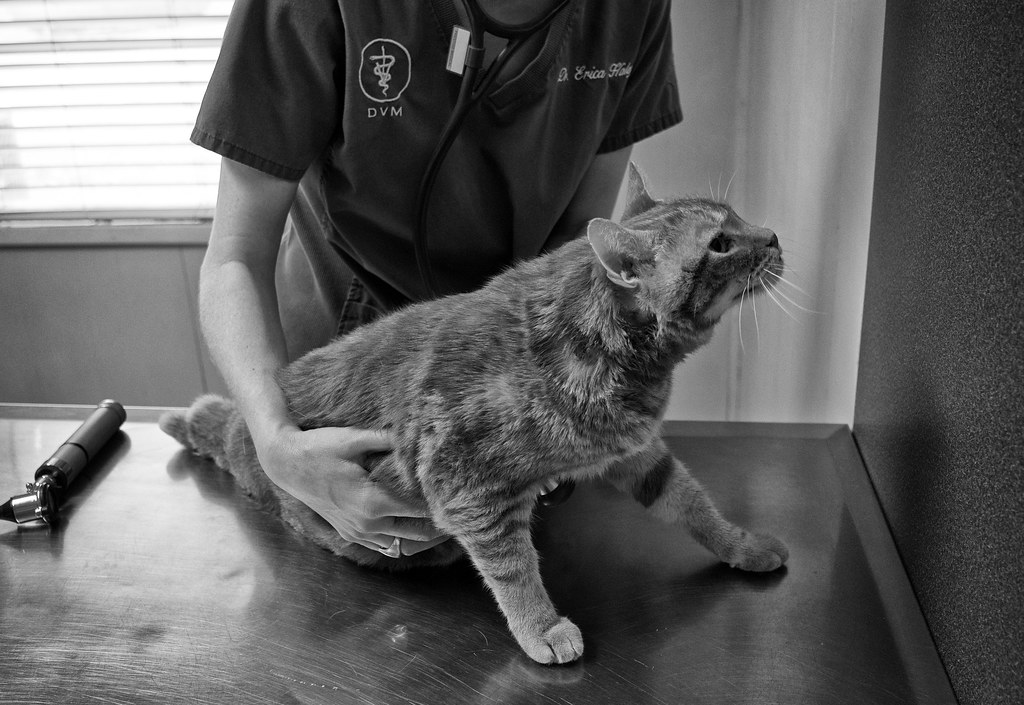
    Photo by Peter Jochim on Pexels.

    Sources and further reading

    These resources cover the specific topics listed below. They provide general education and do not constitute a veterinary review of this article.

  • Adult Cat Health Checkup Checklist

    Adult Cat Health Checkup Checklist

    If your cat seems perfectly fine at home, it can be tempting to skip the yearly trip to the vet. Many indoor cat owners feel this way, especially since cats are experts at hiding discomfort until a problem has already progressed. An annual checkup is one of the simplest ways to catch small issues before they become bigger ones.

    Why Annual Checkups Matter for Adult Cats

    Cats are instinctively good at masking pain and illness, a trait left over from their wild ancestors who needed to appear healthy to avoid predators. This means an adult cat who seems “totally normal” at home can still be quietly developing dental disease, early kidney changes, or weight issues that are much easier to manage when caught early.

    Even a cat that never goes outside benefits from routine visits. Indoor cats can still develop obesity, urinary problems, and age-related organ changes, and a wellness exam is often the only way these are noticed before symptoms show up.

    What Your Vet Will Check During the Visit

    A typical adult cat wellness exam covers more ground than most owners expect. Your veterinarian will usually go through each of the following:

    • Body weight and body condition score to track gradual weight gain or loss
    • Teeth and gums for tartar buildup, redness, or early dental disease
    • Eyes and ears for cloudiness, discharge, or signs of infection
    • Heart and lungs, listened to for murmurs or irregular rhythms
    • Abdomen, gently palpated to check organ size and detect discomfort
    • Coat and skin for dryness, lumps, parasites, or excessive shedding
    • Joints and gait, especially if your cat is entering the middle-age to senior range

    Your vet will also ask about diet, litter box habits, water intake, and any behavior changes. These questions matter just as much as the physical exam, since you see your cat’s daily habits in a way a fifteen-minute appointment never can.

    Common Tests Explained

    Not every cat needs every test every year, but your vet may recommend some of the following based on age, breed, and health history:

    • Complete blood count (CBC) to screen for anemia, infection, or inflammation
    • Blood chemistry panel to check kidney and liver values, blood sugar, and protein levels
    • Urinalysis to assess kidney function and detect early urinary tract issues
    • Fecal exam to check for intestinal parasites, which indoor cats can still pick up
    • Thyroid testing, often introduced once a cat reaches middle age
    • Vaccine review to confirm which core and lifestyle vaccines are due

    Baseline bloodwork done while a cat is still healthy is especially valuable. It gives your vet a reference point, so if something looks “off” a year or two later, they can compare it against what was normal for your specific cat rather than a generic range.

    How to Prepare for the Appointment

    A little preparation makes the visit smoother for both you and your cat. Consider working through this before you go:

    1. Write down any changes you’ve noticed in appetite, water intake, litter box habits, or energy level over the past few months
    2. Bring a fresh stool sample if your vet’s office requests one for a fecal exam
    3. List any supplements, medications, or diet changes since the last visit
    4. Note your cat’s current food, treats, and approximate daily portions
    5. Use a familiar carrier lined with a blanket that smells like home to reduce travel stress

    If your indoor cat’s routine dental care includes brushing or dental treats, mention this too. It helps your vet judge how much of any tartar buildup is despite your efforts versus something to address with a more thorough approach, which is covered in more depth in our guide to dental and tartar care for indoor cats.

    Signs Between Checkups You Shouldn’t Ignore

    Annual visits are important, but you don’t need to wait a full year if something changes. Keep an eye out for:

    • Noticeable weight gain or loss without a diet change
    • Drinking noticeably more or less water than usual
    • Straining in the litter box, or going outside the box
    • Bad breath, drooling, or pawing at the mouth
    • Hiding more than usual or a drop in interest in play
    • Vomiting or diarrhea that lasts more than a day

    When to Talk to Your Veterinarian

    Contact your vet promptly if you notice any of the signs above, especially straining in the litter box, which can signal a urinary blockage and is considered an emergency in cats, particularly males. Sudden lethargy, repeated vomiting, or a complete loss of appetite for more than a day also warrant a same-day call rather than waiting for the next scheduled checkup.

    If your adult cat is approaching the seven to ten year mark, it’s worth asking your vet whether more frequent monitoring makes sense, since this is often when the first subtle signs of kidney or thyroid changes appear. Our overview of kidney disease in indoor cats walks through what those early signs can look like.

    Quick Takeaways

    • Cats hide illness well, so annual wellness exams catch problems long before obvious symptoms appear
    • A full checkup covers weight, teeth, organs, coat, and joints, not just a quick look-over
    • Baseline bloodwork while your cat is healthy gives your vet a useful reference point for later years
    • Preparing notes on appetite, water intake, and litter box habits makes the visit more productive
    • Straining to urinate or sudden loss of appetite should never wait for the next scheduled visit

    This article is for general informational purposes only and is not a substitute for professional veterinary advice, diagnosis, or treatment. Always consult your veterinarian regarding your pet’s specific health needs.

    Aging gracefully, together.

    Photo by Anne Worner on Flickr, licensed under CC BY-SA 2.0.

    Sources and further reading

    These resources cover the specific topics listed below. They provide general education and do not constitute a veterinary review of this article.