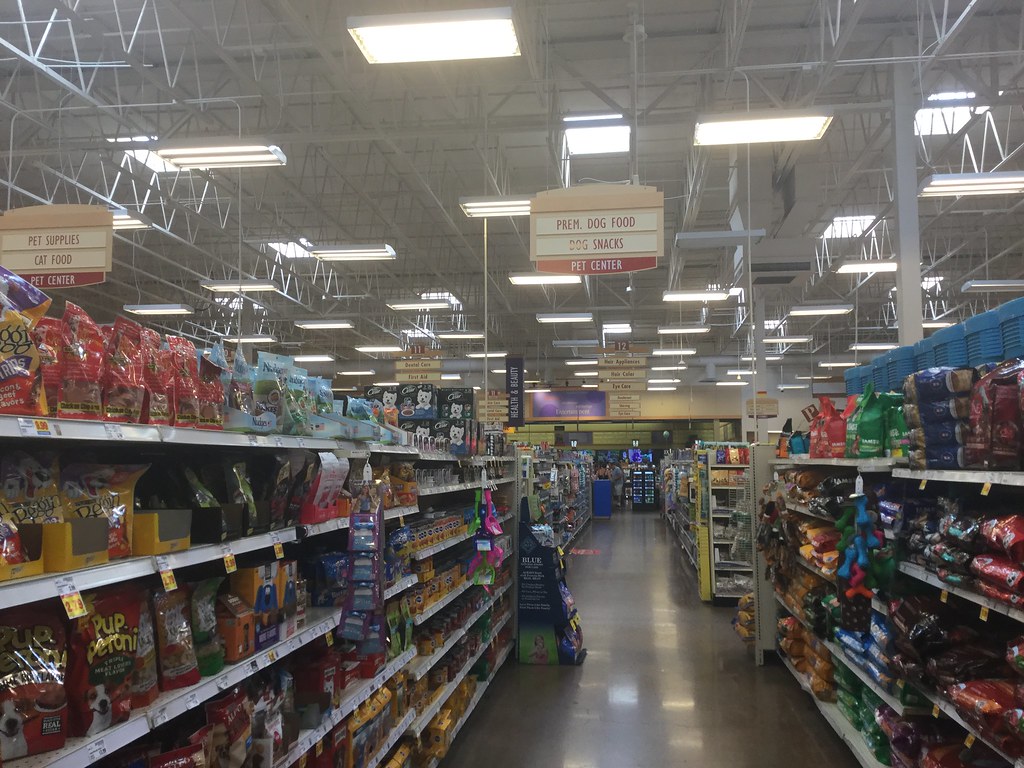
Senior pets tend to need more supplies, more often, than younger animals do. A ten-year-old dog with arthritis may go through joint supplements every month, while an aging cat on a kidney-support diet needs the same bag of food delivered like clockwork. Owners often notice that the shopping question shifts from “what should I buy” to “where should I actually be buying it,” especially once a monthly supply list starts to include medication refills, orthopedic bedding, and specialty food side by side.
Amazon, Chewy, and local pet stores each have a different role to play in that routine. None of them is the single right answer for everything. This guide breaks down where each option tends to make sense, using price patterns and service differences that matter most for the recurring, higher-stakes purchases that come with caring for an aging pet.
Why Shopping Strategy Matters More for Senior Pet Care
Puppies and kittens usually need a short list of starter items. Senior pets, by contrast, often need an ongoing rotation of consumables: prescription or joint-support food, chewable supplements, dental treats, incontinence pads, and replacement parts for mobility aids like ramps or slings. Because these purchases repeat month after month, small differences in price or shipping reliability add up quickly over a year.
There is also a practical-fit issue that does not apply to younger pets in the same way. An orthopedic bed, a support harness, or a set of pet stairs needs to match a specific dog’s weight, joint condition, and mobility level. Getting the sizing wrong on a recurring food order is annoying; getting it wrong on a harness a senior dog relies on to stand up can mean returning a product a frail pet has already struggled to use.
Amazon for Senior Pet Supplies: Strengths and Limits
Amazon’s biggest advantage is speed and selection. For owners who already have Prime, fast shipping on everyday items like puppy pads, slip-resistant rugs, or a particular brand of joint chews is hard to beat, and the sheer number of sellers means niche or discontinued products are often still findable somewhere on the platform.
The tradeoff is consistency. Pricing on Amazon can fluctuate between sellers and even day to day for the same product, and pet food or supplement listings are sometimes fulfilled by third-party sellers rather than the manufacturer, which matters for anything with an expiration date or that needs to stay within a stable supply chain, such as a veterinary prescription diet. Reviews can also be mixed with unrelated products in poorly maintained listings, so it is worth double-checking that a joint supplement or medicated shampoo listing is sold and shipped by a source the pet’s veterinarian would recognize.
Amazon tends to work best for one-off purchases, accessories that do not need veterinary sign-off, and situations where getting something within a day or two outweighs saving a few dollars.
Chewy for Senior Pet Supplies: Strengths and Limits
Chewy has built its reputation specifically around recurring pet purchases, which lines up closely with what senior pet care actually requires. Its Autoship program applies a modest discount, typically in the range of five percent off eligible items, to orders set on a repeating schedule, and that discount stacks with regular sales. For a household managing a monthly prescription diet or a joint supplement that needs to arrive every four to six weeks, that kind of automated, discounted reorder can remove one more thing to remember.
Chewy also offers direct access to pharmacists and, in many cases, a customer service team that is used to handling prescription-related questions, refill timing, and vet-authorization paperwork. That can matter more than raw price when a senior pet is on multiple medications and a delayed refill is not something owners want to risk.
The limit is selection outside of pet-specific categories. Chewy carries a wide range of mobility aids, orthopedic beds, and prescription food, but it will not replace a hardware store or a general retailer for adjacent needs like custom ramp-building materials or non-pet home modifications that often come up when accommodating an aging dog or cat.
What Local Pet Stores Still Offer That Online Retailers Do Not
The one thing neither Amazon nor Chewy can fully replace is hands-on fitting. A local pet store or a specialty retailer lets an owner try a harness on a dog with limited mobility before buying, feel the firmness of an orthopedic mattress, or get a staff member’s opinion on which ramp angle would suit a particular breed’s joints. For products where sizing mistakes are costly or hard to return, that in-person check can prevent a wasted purchase.
Local stores are also useful for smaller, perishable, or bulky items that are inconvenient to ship: fresh treats, a single bag of a specific litter brand, or a heavy bag of food picked up the same day rather than waiting on delivery. Many independent and regional pet stores also know their customer base well enough to flag when a product has had quality issues, which is a layer of informal quality control that a marketplace listing cannot always provide.
The downside is price. Local and specialty retailers rarely compete with online subscription discounts on recurring items, and selection is naturally narrower than an online catalog with millions of listings.
How to Decide Where to Buy Each Type of Item
Rather than picking one retailer for everything, most owners of senior pets end up splitting their shopping by category:
Recurring consumables that do not need to be tried on first, such as prescription food, joint supplements, dental chews, or incontinence supplies, are usually cheapest and most convenient through a subscription service like Chewy’s Autoship, provided the specific product and brand are confirmed with a veterinarian first.
Items that depend on a correct fit, including support harnesses, orthopedic beds, slings, and mobility aids, are worth trying locally when possible, or ordered online only from retailers with a straightforward return policy, since sizing charts do not always account for an individual senior pet’s build or the way arthritis has changed how they carry their weight.
One-off or hard-to-find items, discontinued flavors, or accessories that need to arrive quickly are usually best handled through a large marketplace like Amazon, keeping an eye on the seller listed rather than assuming every offer ships from the same source.
Price comparisons are worth revisiting periodically rather than assumed to be fixed. Promotional periods, first-Autoship discounts, and seasonal sales shift which retailer is cheapest for a given product from month to month, so a quick price check across two or three sources before a large reorder can be worth the few minutes it takes.
A workable routine for most households looks something like this: set recurring, non-fitted items on an Autoship-style subscription to avoid running out of medication or food; keep a short list of fitted items to check locally before ordering; and reserve a general marketplace for anything urgent or unusual. Reviewing that list every few months, especially after a vet visit that changes a pet’s diet or mobility needs, keeps the routine from becoming outdated as a senior pet’s needs evolve.
Quick Takeaways
- Recurring items like prescription food and joint supplements are usually cheapest through a subscription service such as Chewy’s Autoship, which typically offers a modest discount around five percent on top of regular sales.
- Amazon is strongest for fast shipping and hard-to-find or one-off items, but sellers and fulfillment sources can vary, so it is worth checking who actually ships a listing before ordering anything with an expiration date.
- Local and specialty pet stores remain valuable for items that need a hands-on fit, such as harnesses, orthopedic beds, and mobility aids, where sizing mistakes are costly.
- Splitting purchases by category, rather than committing to one retailer for everything, tends to save the most money and reduce fitting mistakes over time.
- Always confirm any prescription diet, medication, or supplement change with a veterinarian before switching brands or suppliers, regardless of where it is purchased.
This article is for general informational purposes only and is not a substitute for professional veterinary advice, diagnosis, or treatment. Always consult your veterinarian regarding your pet’s specific health needs.
Aging gracefully, together.
Related reading: Pet Insurance 101: Is It Worth It for Dogs and Cats?, Joint & Hip Health in Senior Dogs: The Complete Guide, and Building a Pet First Aid Kit. For more senior pet care guides, visit the Golden Years Pets homepage.
Photo by Northwest Retail on Flickr, licensed under CC BY-SA 2.0.