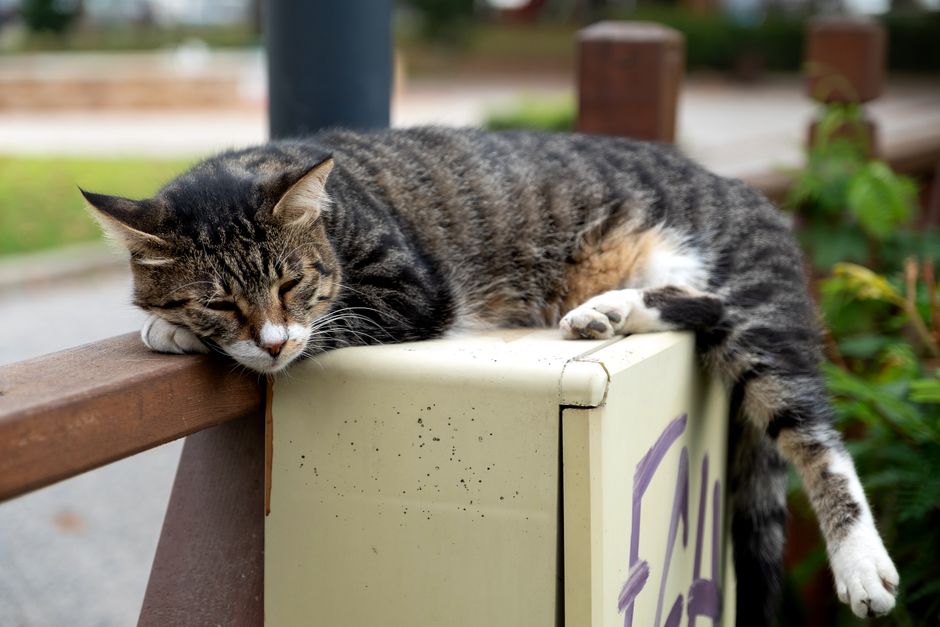
As cats move into their senior years, the signs of aging often show up quietly. A cat that once leapt onto the counter without a second thought may start pausing at the bottom of the stairs. A cat that always finished her bowl may start leaving food behind. Owners often notice these small shifts long before they think to connect them to aging, and that gap is exactly where preventable problems tend to take hold. This guide walks through what actually changes in a senior cat’s body, which conditions show up most often, and how a bit of extra attention at home can make a real difference in comfort and quality of life.
When Does a Cat Become a “Senior” Cat?
There is no single birthday that flips a switch, but most veterinary sources use a similar framework. Cats are generally considered “mature” or “middle-aged” from about seven to ten years old, “senior” from roughly eleven to fourteen, and “geriatric” from fifteen onward. Indoor cats, which face fewer physical risks than outdoor cats, often live well into their late teens or early twenties, which means many cats spend a third or more of their lives in the senior category.
Age alone is not the whole story. Genetics, breed tendencies, and whether a cat has been maintained at a healthy weight throughout life all influence how gracefully the senior years unfold. Two twelve-year-old cats can look and behave very differently depending on their health history, so it is worth thinking about senior care as a gradual adjustment rather than a single milestone.
This gradual approach is really the foundation of everything on Golden Years Pets: the idea that most age-related problems are more manageable, and often more preventable, when they are caught early rather than addressed after a crisis. Senior cat care is less about any single dramatic intervention and more about paying steady attention over months and years.
Common Health Changes in Senior Cats
Several conditions become noticeably more common as cats age, and many of them develop slowly enough that early signs are easy to miss.
Kidney disease. Chronic kidney disease is one of the most frequently diagnosed conditions in older cats. Early signs can be subtle, including increased thirst, more frequent urination, and gradual weight loss. Because kidney function often declines gradually, routine bloodwork tends to catch it earlier than physical symptoms do. Owners managing a cat through this condition may find it helpful to read more about kidney disease in indoor cats.
Hyperthyroidism. An overactive thyroid gland is common in cats over ten and can cause weight loss despite a hearty appetite, restlessness, and a faster heart rate. It is usually manageable once diagnosed, which makes routine screening valuable.
Arthritis and joint stiffness. Joint pain is widely underdiagnosed in cats because they tend to mask discomfort well. Reduced jumping, hesitation on stairs, and a stiffer gait after resting are common clues rather than obvious limping.
Dental disease. Tartar buildup and gum inflammation tend to worsen with age and can make eating uncomfortable in ways that are easy to mistake for pickiness. More detail is available in this overview of dental and tartar care in indoor cats.
Weight changes in either direction. Some senior cats gain weight as activity drops, while others lose weight as illness sets in. Either direction is worth monitoring closely, and this guide to weight management in indoor cats covers the basics of tracking body condition over time.
Cognitive changes. Confusion, disrupted sleep patterns, and increased vocalization, especially at night, can point to age-related cognitive decline. These changes are sometimes mistaken for simple crankiness, but they usually have a physiological basis worth discussing with a veterinarian.
Why Regular Veterinary Checkups Matter More With Age
Many veterinary organizations, including the American Association of Feline Practitioners, generally recommend that senior cats be seen for wellness exams and bloodwork roughly twice a year rather than the annual visit typical for younger adults. The reasoning is straightforward: several of the most common senior cat conditions, including kidney disease and hyperthyroidism, are far easier to manage when caught through routine screening than when they are caught after symptoms become obvious.
A typical senior wellness visit usually includes a physical exam, weight and body condition tracking, blood pressure measurement, and bloodwork that checks kidney values, thyroid hormone levels, and other key markers. Some veterinarians also recommend a urinalysis as part of this baseline. Bringing a log of any changes noticed at home, however minor they seem, can help a veterinarian connect the dots faster.
It also helps to think of these visits as building a baseline rather than simply checking for problems. A cat’s individual “normal” for weight, bloodwork values, and behavior becomes far more useful once a veterinarian has two or three prior visits to compare against. A single test result in isolation tells less of a story than a trend does, which is one more reason consistency matters more than any single visit.
Supporting an Aging Cat at Home
Between checkups, small adjustments at home can meaningfully improve a senior cat’s daily comfort.
Food and hydration
Senior cats often benefit from food formulated for their life stage, and cats managing kidney or weight concerns may need a specific veterinary diet. Encouraging water intake, whether through multiple water stations or a fountain that keeps water moving, can support kidney and urinary health.
Mobility and comfort
Soft bedding placed away from drafts, along with pet stairs or ramps to favorite resting spots, can reduce strain on stiff joints. Keeping the litter box low-sided and easy to step into also matters more than owners often expect, since a cat in joint pain may avoid a box that is hard to access.
Grooming and coat care
Older cats sometimes groom themselves less thoroughly, particularly if arthritis makes twisting and stretching uncomfortable. Gentle brushing a few times a week helps prevent matting and gives owners a regular chance to check for lumps, skin changes, or weight loss.
Mental engagement
Low-effort play, window perches, and predictable routines help keep senior cats engaged without overtaxing joints or energy levels. Consistency also tends to reduce stress, which can itself worsen some age-related conditions.
When to See a Vet
While routine senior checkups form the foundation of good care, certain changes warrant a visit sooner rather than waiting for the next scheduled exam:
- Noticeable weight loss or weight gain over a few weeks
- Increased thirst or urination
- Reduced appetite lasting more than a day or two
- New reluctance to jump, climb, or use the litter box
- Changes in vocalization, sleep, or general awareness
- Bad breath, drooling, or visible discomfort while eating
- Lethargy that seems out of character
None of these signs automatically points to a serious problem, but each one is a reasonable reason to schedule an exam rather than wait. A veterinarian who is comfortable with senior and geriatric feline care, and who takes the time to explain bloodwork results in plain language, tends to make these visits far less stressful for both cat and owner over the long run.
Quick Takeaways
- Cats are generally considered senior starting around age eleven, though individual health history matters more than age alone.
- Kidney disease, hyperthyroidism, arthritis, dental disease, and cognitive changes are among the most common senior cat conditions.
- Twice-yearly veterinary checkups with bloodwork are commonly recommended for senior cats to catch issues early.
- Simple home adjustments, from ramps to accessible litter boxes, can meaningfully improve comfort between visits.
- Unexplained weight change, increased thirst, or reduced appetite are worth a vet visit rather than a wait-and-see approach.
This article is for general informational purposes only and is not a substitute for professional veterinary advice, diagnosis, or treatment. Always consult your veterinarian regarding your pet’s specific health needs.
Aging gracefully, together.
Photo by Anna Zaykina on Pexels.
Sources and further reading
These resources cover the specific topics listed below. They provide general education and do not constitute a veterinary review of this article.
- AAHA/AAFP: Feline Life Stage Definitions: Current feline life-stage definitions.
- AAHA/AAFP: Diagnostic Testing for Each Life Stage: Individualized screening tests for adult and senior cats.
- AAHA/AAFP: Medical History and Physical Examination Focus: Examination priorities for older cats.
- AAHA/AAFP: Senior Cats and Elimination: Accessible litter boxes for senior cats.
Comments
2 responses to “Senior Cat Health: What Changes as Your Cat Ages”
[…] in indoor cats. If you’re looking at the bigger picture of what changes as cats age, our senior cat health overview is a good starting point. Urinary symptoms can sometimes overlap with kidney concerns, so our guide […]
[…] in senior cats, since the two conditions can overlap and complicate each other. Our broader look at how a cat’s health changes with age covers related shifts in appetite, mobility, and water intake that are worth tracking over […]