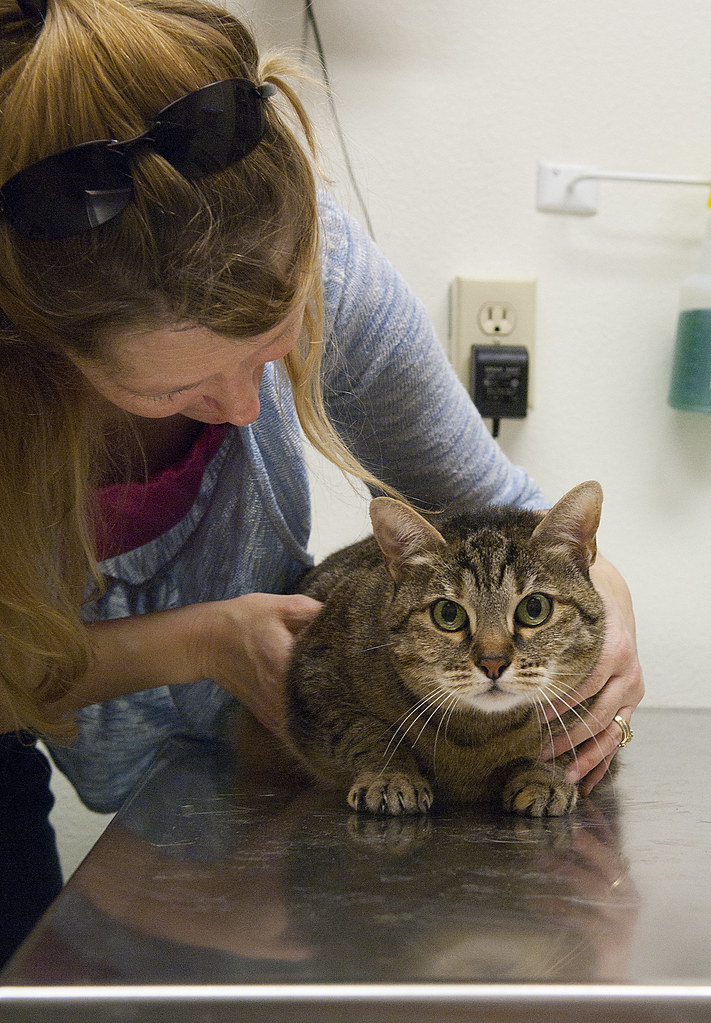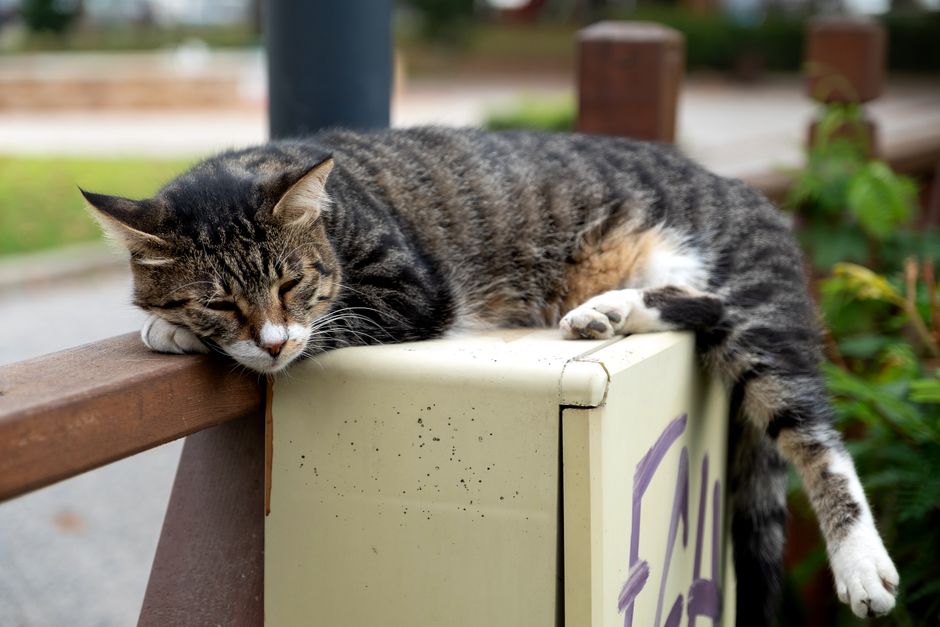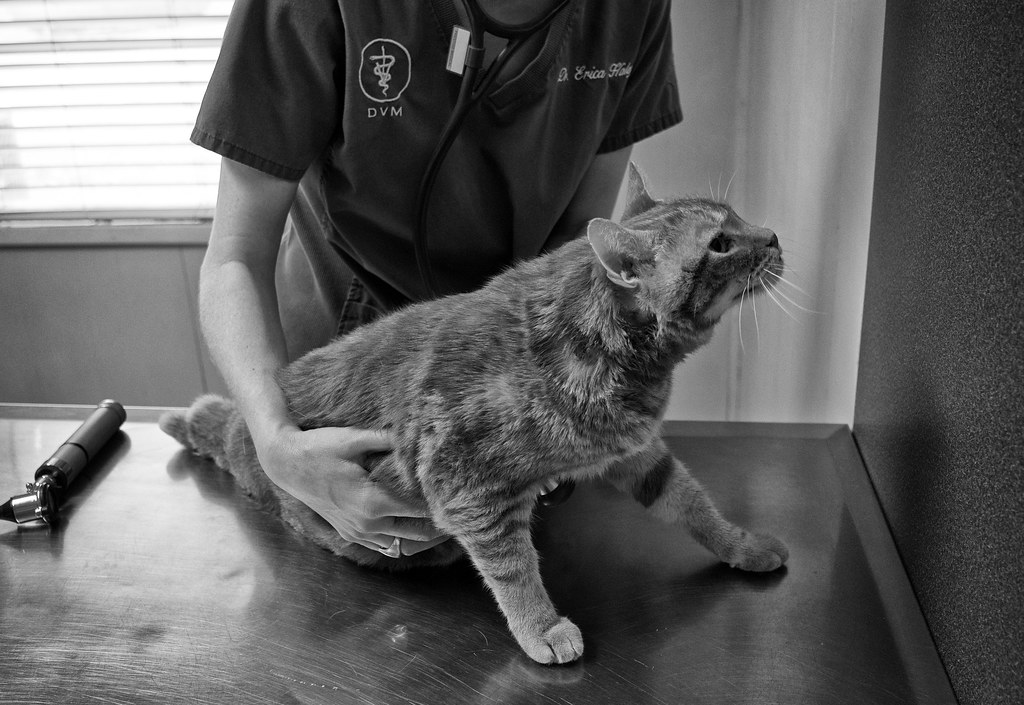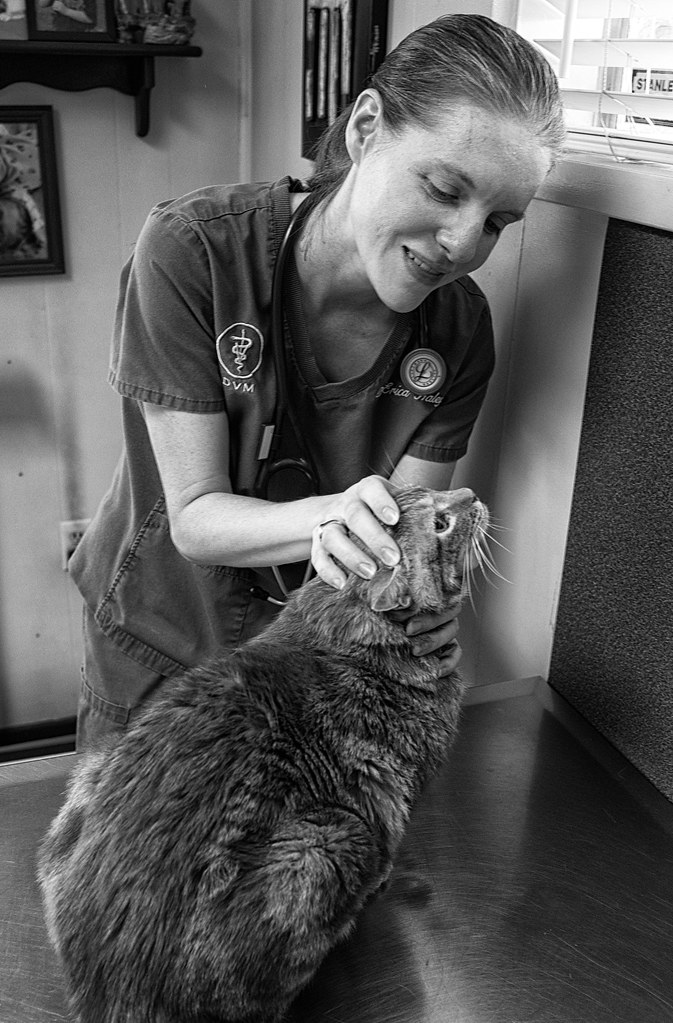
Many cat owners first notice something is wrong when a cat starts visiting the litter box again and again, straining each time but producing little or nothing. In a multi-cat household, it is easy to assume one of the other cats is simply using the box more often, so the warning signs of a urinary blockage are frequently missed in the first few hours, which are the hours that matter most. For senior indoor cats in particular, the early signs can be mistaken for the normal slowdown of getting older, which makes it worth understanding what a blockage actually looks like and why it is treated so differently from an ordinary urinary tract infection.
Why Urinary Blockages Are a Veterinary Emergency
A urinary blockage, also called a urethral obstruction, happens when the tube carrying urine out of the bladder becomes partly or fully blocked. A complete blockage stops a cat from emptying the bladder and can cause dangerous waste and electrolyte buildup, including heart-rhythm problems. Suspected obstruction needs veterinary care immediately; there is no safe waiting period at home. (Merck Veterinary Manual)
Why Male Cats Are at Higher Risk
Male cats are far more likely to experience a complete blockage than female cats, simply because of anatomy. The male urethra is longer and narrower, which makes obstruction more likely. Female cats can develop the same underlying urinary tract disease, including inflammation and crystal formation, but their shorter and wider urethra means a full obstruction is far less common, even though discomfort and straining can still occur. Both intact and neutered males are at higher risk than females. (Cornell Feline Health Center) Readers who want a broader look at urinary tract disease in cats, including how it shows up in female cats, may find our overview of urinary issues in indoor cats useful as a companion piece to this article.
Signs That Point to a Blocked Cat
Owners often notice a cluster of subtle changes before the situation becomes obvious. A cat may make frequent short trips to the litter box, crouching for long periods without producing urine, or producing only a few drops. Some cats cry out or vocalize while straining, which is frequently mistaken for constipation. As the obstruction progresses, cats typically become increasingly lethargic, may vomit, lose interest in food, and can start hiding more than usual. Licking at the genital area is also common, since the area is uncomfortable or irritated. A firm, swollen abdomen can sometimes be felt near the bladder, though this is not something owners should press on or try to diagnose themselves. Because senior cats already sleep more and move less, these early signs can blend into what looks like normal aging, which is part of why the condition is so often caught late. A cat who suddenly avoids the litter box altogether, choosing to urinate on a bathmat or in a sink instead, may actually be signaling pain associated with the box rather than a behavioral issue, so a sudden change in bathroom habits is always worth taking seriously in an older cat.
What Puts Aging Indoor Cats at Risk
Weight, activity, water intake, and stress can all be relevant when your veterinarian assesses lower urinary tract signs. These signs have several possible causes, so they should not automatically be attributed to crystals or aging. (Cornell Feline Health Center) For owners managing a cat with any chronic kidney concerns, it is worth reading our guide on catching kidney disease early in senior cats. Our broader look at how a cat’s health changes with age covers related shifts in appetite, mobility, and water intake that are worth tracking over time.
When to See a Vet
If your cat repeatedly strains and passes little or no urine, seek veterinary emergency care immediately. Do not wait 12 hours, overnight, or for vomiting or lethargy to appear. If you cannot tell whether a straining cat is constipated or unable to urinate, seek immediate veterinary assessment. (Cornell Feline Health Center) Your veterinarian will examine your cat and decide which tests and treatment are needed.
How to Lower the Risk at Home
Not every blockage can be prevented. Ask your veterinarian about water intake and an appropriate diet for your cat. Keep litter boxes clean and easily accessible, with generally one per cat plus one extra. (AAHA/AAFP) Maintaining a healthy weight through portion control and gentle, regular activity supports both urinary and joint health in aging cats. Reducing household stress, such as minimizing conflict between cats or keeping routines predictable, may help manage feline idiopathic cystitis. (AAHA/AAFP) If your vet prescribes a therapeutic urinary diet, follow the feeding instructions and ask before adding other foods or treats. Ask your veterinarian which follow-up tests your cat needs. A previous normal checkup does not make new urinary straining safe to watch at home.
For more guides on keeping aging cats and dogs comfortable and healthy, visit the Golden Years Pets home page.
Quick Takeaways
- A complete urinary blockage stops urine flow and can rapidly become life-threatening.
- Male cats face a much higher risk than female cats because of their longer, narrower urethra.
- Repeated straining with little or no urine calls for immediate emergency care, even if your cat is still alert.
- Weight, activity, water intake, and stress are worth discussing with your vet when planning urinary care.
- Any cat suspected of being blocked needs veterinary emergency care immediately.
This article is for general informational purposes only and is not a substitute for professional veterinary advice, diagnosis, or treatment. Always consult your veterinarian regarding your pet’s specific health needs.
Aging gracefully, together.
Photo by Anne Worner on Flickr, licensed under CC BY-SA 2.0.