Kidney disease is one of the most common health problems in aging cats, and it is also one of the easiest to miss in its early stages. A cat’s kidneys can lose a significant portion of their function before any obvious symptoms appear at home, which is why routine screening matters so much more for senior cats than for younger ones. Owners often notice only the later signs, like increased thirst or weight loss, by which point a meaningful amount of kidney function has already been lost.
This guide looks at why early detection makes such a difference, which signs are worth tracking at home, which tests veterinarians use to catch kidney changes sooner, and how often senior cats should be screened.
Why Early Detection Matters So Much in Senior Cats
Chronic kidney disease (CKD) is common in older cats. Early disease may cause no obvious symptoms, and a creatinine result within the laboratory range does not always rule it out. (Cornell Feline Health Center)
That lack of obvious symptoms can be a trap. It means a cat can look and act completely normal for a long time even as kidney function quietly declines. Finding changes gives your veterinarian a chance to assess the cause and plan diet, monitoring, or supportive care appropriate to your cat’s condition.
Early Signs Owners Often Miss
Because the kidneys compensate for a long time, early CKD rarely announces itself with dramatic symptoms. Owners often notice subtle shifts rather than sudden changes, and it’s easy to write these off as “just getting older.” Some of the more common early patterns include:
- Drinking noticeably more water, or a water bowl that needs refilling more often than before
- Urinating more frequently, or producing larger clumps in the litter box
- A gradual decline in body condition or muscle mass, even if appetite seems unchanged
- A coat that looks a little duller or less well-groomed than usual
- Slightly reduced interest in food, rather than a complete loss of appetite
None of these signs are specific to kidney disease on their own, which is exactly why they’re easy to dismiss. A written or app-based log of weight, water intake, and litter box habits can help your vet assess changes. Report new symptoms promptly rather than waiting weeks or months to build a log.
The Tests Vets Use to Catch Kidney Disease Early
Modern veterinary screening for kidney disease typically combines a few different tools, because no single test tells the whole story:
- Blood creatinine: A traditional marker of kidney function, though it often doesn’t rise above the normal range until a substantial portion of kidney function is already lost.
- SDMA (symmetric dimethylarginine): A newer blood marker that many veterinary laboratories now run alongside creatinine, because it tends to rise earlier in the disease process, sometimes before creatinine moves out of range.
- Urinalysis, including urine specific gravity: Checks how well the kidneys are concentrating urine and can reveal protein loss or infection that bloodwork alone might miss.
- Blood pressure measurement: High blood pressure is common alongside kidney disease in cats and can itself cause further kidney damage if left unaddressed.
- Urine protein-to-creatinine ratio: Measures urinary protein loss and helps assess CKD alongside the other findings. (Cornell Feline Health Center)
Your veterinarian will usually interpret these results together rather than relying on any one number, and may use the IRIS (International Renal Interest Society) staging system after CKD is diagnosed. Staging is done when the cat is stable and well hydrated and helps guide management. (Cornell Feline Health Center)
Screening Schedule and At-Home Habits That Help
The 2021 AAHA/AAFP guidelines call cats aged 7 to 10 years mature adults and those over 10 seniors. (AAHA/AAFP) For apparently healthy cats, their diagnostic table suggests testing every 1 to 2 years in mature adults and at least annually in seniors, with six-monthly testing recommended. Your vet should tailor bloodwork, urinalysis, and other tests to your cat’s history and examination; illness may need closer monitoring. (AAHA/AAFP)
Senior cats should have an examination at least every six months, even when the testing schedule differs. (AAHA/AAFP) These visits are not just about kidney screening. They also give your veterinarian a chance to track weight trends, dental health, and blood pressure in one visit, which makes the screening more efficient and easier to keep up with consistently.
While nothing at home replaces veterinary monitoring, a few consistent habits can support kidney health and make changes easier to spot early between visits:
- Keep fresh water readily available in locations your cat can reach comfortably
- Track weight monthly using a kitchen or baby scale, since gradual loss is easy to miss by eye alone
- Note any changes in litter box habits, including frequency, clump size, or straining
- Discuss diet with your veterinarian before switching foods, since kidney-support diets are typically introduced gradually and only when appropriate for your cat’s stage of health
- Keep a simple log of appetite, water intake, and energy level so you have something concrete to share at checkups
When to See a Vet
Routine senior wellness visits are the main way early kidney disease gets caught, but some changes warrant a sooner appointment rather than waiting for the next scheduled checkup. Contact your veterinarian promptly if you notice:
- A sudden or significant increase in thirst or urination
- Noticeable weight loss over a short period, even with a normal appetite
- Vomiting, lethargy, or reduced appetite; contact your vet promptly, and call immediately if your cat stops eating. (Cornell Feline Health Center)
- Bad breath with an unusual, ammonia-like odor
- Pain, straining, or blood when urinating needs urgent assessment. Repeated straining with little or no urine, or uncertainty about whether urine is passing, calls for emergency care immediately. (Cornell Feline Health Center)
If your cat has already been diagnosed with early-stage kidney disease, your veterinarian will likely set a specific recheck schedule. Sticking to that schedule, even when your cat seems to be doing well, is one of the most effective ways to keep the disease managed over the long term.
Quick Takeaways
- Cats can lose a large share of kidney function before symptoms appear at home, which is why screening matters more than waiting for visible signs.
- Increased thirst, more frequent urination, and gradual weight loss are common early clues, but they’re easy to miss without tracking over time.
- SDMA testing, alongside creatinine and urinalysis, can help flag kidney changes earlier than older methods alone.
- Cats over 10 are senior under the 2021 AAHA/AAFP definition. Plan six-monthly examinations and an individualized testing schedule with your vet.
- Simple at-home tracking of weight, water intake, and litter box habits gives your vet more useful information at each checkup.
For more on recognizing and managing kidney disease once it’s diagnosed, see our guide to kidney disease signs and management in indoor cats. If you’re looking at the bigger picture of what changes as cats age, our senior cat health overview is a good starting point. Urinary symptoms can sometimes overlap with kidney concerns, so our guide to urinary issues in indoor cats is also worth a look. You can find more senior pet care resources on our homepage.
This article is for general informational purposes only and is not a substitute for professional veterinary advice, diagnosis, or treatment. Always consult your veterinarian regarding your pet’s specific health needs.
Aging gracefully, together.
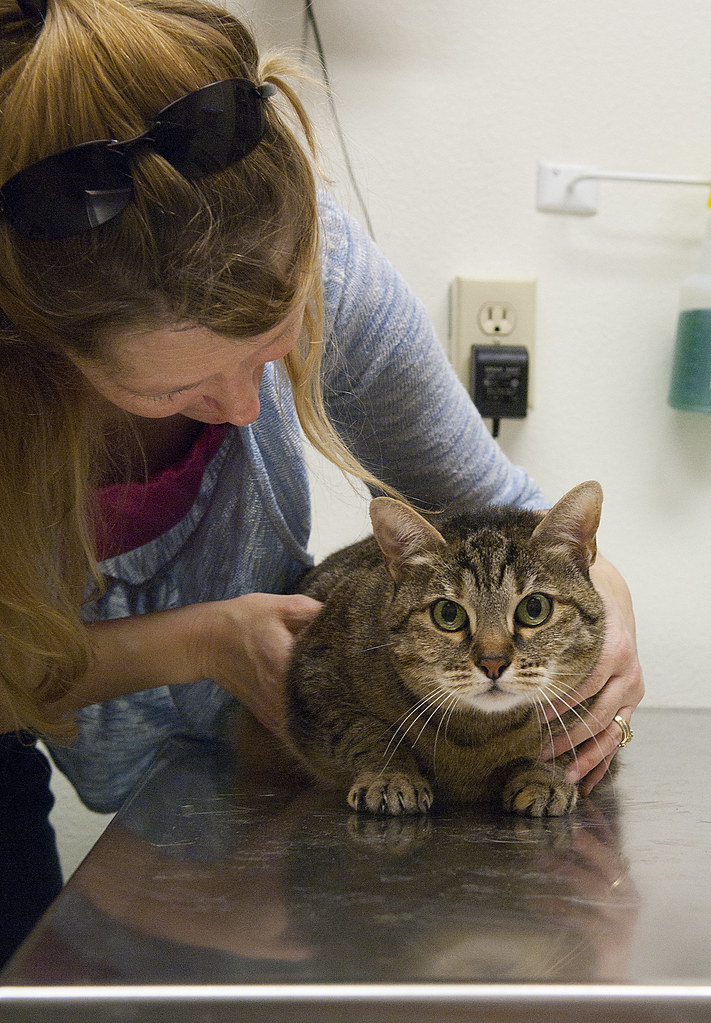
Photo by R.J. Oriez on Flickr, licensed under Public Domain Mark 1.0.
Comments
One response to “How to Catch Kidney Disease Early in Senior Cats”
[…] trips. For owners managing a cat with any chronic kidney concerns, it is worth reading our guide on catching kidney disease early in senior cats, since the two conditions can overlap and complicate each other. Our broader look at how a […]