Tag: senior pet care

  • How to Find Pet-Friendly Hotels and Boarding for Senior Dogs and Indoor Cats

    How to Find Pet-Friendly Hotels and Boarding for Senior Dogs and Indoor Cats

    Planning a trip when you share your home with an aging dog or a set-in-her-ways indoor cat can feel more complicated than packing your own suitcase. Many pet parents notice that the options that worked fine for a younger, more adaptable animal suddenly feel riskier once joints get stiffer, eyesight fades, or a cat’s routine becomes the thing holding her whole day together.

    Why Travel Planning Looks Different With an Older Pet

    A younger dog might shrug off a weekend at a busy boarding kennel. A senior dog with arthritis, a cat with early kidney disease, or a pet on a strict medication schedule usually needs more thought. Changes in environment can be harder on animals whose bodies and routines have less flexibility built in.

    That doesn’t mean travel is off the table. It just means the decision between a pet-friendly hotel, a boarding facility, and an in-home pet sitter deserves a closer look than it might have a few years ago.

    What Makes a Hotel Truly Senior-Pet-Friendly

    Plenty of hotels advertise themselves as pet-friendly, but not all of them are set up well for an older animal. Before booking, it helps to ask a few specific questions rather than relying on the general “pets welcome” label.

    • Is a ground-floor or low-floor room available, so you can avoid elevators or long hallway walks for a dog with mobility issues?
    • Is there a quiet grass or gravel relief area close to the entrance, rather than one that requires a long walk?
    • Are there weight or breed restrictions that could exclude a larger senior dog?
    • What are the pet fees, and are they charged per stay or per night?
    • Does housekeeping need advance notice, so an anxious cat isn’t startled by a room entry?

    For an indoor cat, a hotel stay usually means keeping her contained to the room in a carrier or a small pop-up enclosure rather than letting her roam freely, since an unfamiliar space with hidden gaps behind furniture or under beds can be an easy place for a stressed cat to hide or bolt.

    Evaluating a Boarding Facility for an Older Dog or Cat

    Boarding can work well for senior pets, but the criteria that matter most shift a bit compared to a younger, more resilient animal. Ask specifically how staff handle medication administration, since many senior pets are on daily pills, eye drops, or joint supplements that need to be given on schedule.

    • What is the staff-to-pet ratio, especially overnight?
    • Is there a separate, quieter area for senior pets or cats, away from the noise of a busy dog play yard?
    • Does the facility have a relationship with a nearby veterinarian, or on-call access to one?
    • Can staff accommodate a slower feeding pace or a special diet?
    • Are vaccination and health requirements current and clearly explained?

    A short trial stay of one or two nights, well before a longer trip, can tell you a lot about how a specific facility handles an older pet’s needs in practice.

    When an In-Home Pet Sitter Might Be the Better Choice

    For many senior dogs and most indoor cats, staying in their own home with a trusted pet sitter coming in once or twice a day is the option that causes the least disruption. Familiar smells, furniture, and routines can matter a great deal to a pet whose cognitive function or comfort depends on predictability.

    This is often the gentlest choice for a cat showing signs of stress or anxiety, or for a dog with cognitive decline who tends to get more disoriented in unfamiliar places. A sitter who has met your pet in advance and has clear written instructions can also administer medication in an environment where your pet already feels safe.

    Boarding vs. Pet Sitting vs. Hotel: A Simple Way to Decide

    There isn’t one right answer for every pet, but working through a few questions in order can make the decision much clearer.

    1. How mobile is your pet? A dog who struggles with stairs or long walks may do better staying in one familiar space than adjusting to a new one.
    2. How does your pet typically respond to new environments and people? A pet who hides for days after a small change may be a poor fit for boarding.
    3. How complex is the medication or care routine? More complex routines usually favor a sitter or a facility with strong medical protocols.
    4. How long will you be away? Shorter trips often favor a sitter or in-home care; longer trips may make a well-vetted boarding facility more practical.
    5. What does your budget allow? Hotels, boarding, and sitters vary widely in cost, and it’s worth comparing quotes for the specific dates you need.

    Preparing Your Senior Dog or Indoor Cat for the Change

    Whichever option you choose, a little preparation goes a long way toward keeping a senior pet comfortable while you’re away.

    1. Write out a clear medication and feeding schedule, including exact times, doses, and any special instructions.
    2. Pack familiar bedding, a favorite blanket, or an unwashed item of your own clothing that carries your scent.
    3. Bring a current photo of your pet in case they become separated from their carrier or leash.
    4. Share your veterinarian’s contact information and, if relevant, a note about any recent diagnoses.
    5. If your pet has recently been anxious or withdrawn, mention this to caregivers to keep a closer eye on, since a familiar routine, like the kind covered in managing stress in indoor cats, is often the fastest way back to normal after a disruption.

    It’s also worth keeping a small kit of essentials on hand for travel days, similar in spirit to a well-stocked pet first aid kit, so you’re not scrambling for supplies at the last minute.

    Quick Takeaways

    • Not every “pet-friendly” hotel is set up well for a senior pet; ask about floor level, relief areas, and fees before booking.
    • Boarding facilities should be evaluated on medication handling, staff ratios, and access to veterinary care, not just amenities.
    • An in-home pet sitter is often gentler for anxious cats and dogs with cognitive decline, since it keeps them in a familiar environment.
    • A short trial stay can reveal a lot about how a boarding facility handles an older pet’s specific needs.
    • Written medication schedules, familiar bedding, and current vet contact information make any option safer and smoother.

    This article is for general informational purposes only and is not a substitute for professional veterinary advice, diagnosis, or treatment. Always consult your veterinarian regarding your pet’s specific health needs.

    Aging gracefully, together.

    Photo by Randy Son Of Robert on Flickr, licensed under CC BY 2.0.

    Sources and further reading

    These resources provide general background on the specific topics listed below. They are not a veterinary review of this article.

  • Building a Pet First Aid Kit

    Building a Pet First Aid Kit

    Many pet owners only think about first aid the moment they need it, usually while standing in the kitchen at 10 p.m. wondering whether the cut on a paw needs a vet visit or just a clean bandage. A first aid kit can support interim care while you arrange veterinary help; it cannot guarantee that an injury will stay minor. (AVMA pet first aid)

    Whether you share your home with a senior dog whose joints are more prone to scrapes and slips, or an indoor cat who occasionally gets into something she shouldn’t, having the right supplies on hand and knowing how to use them is one of the simplest things you can do for your pet’s safety.

    Why a Dedicated Pet First Aid Kit Matters

    Human first aid kits are not quite right for animals. Dosing, wound care, and even basic supplies like gauze width are different for a 10-pound cat than for a 70-pound dog. A kit built specifically for your pet, and sized to their needs, means you are not improvising with whatever is in the bathroom cabinet.

    For senior pets, ask your veterinarian which supplies and handling precautions fit their existing conditions and mobility. A kit should support that plan rather than encourage treating an injury at home without advice.

    The Essentials: What to Include

    You do not need anything elaborate. A sturdy, clearly labeled container (a tackle box or a soft zippered pouch both work well) can hold these basic supplies. Review the contents and their use with your veterinarian:

    • Sterile gauze pads and self-adhering bandage wrap; leave bandage application to your vet if you are unsure, because a poorly applied wrap can cause harm. (AVMA)
    • Adhesive medical tape
    • Blunt-tipped scissors for bandage materials, and tweezers for appropriate small-object removal. Do not pull an embedded object from a wound. (AVMA)
    • Digital thermometer labeled “pet use only”; ask your veterinary team to show you how and when to use it, and do not force the procedure on an injured or struggling pet.
    • Only an antiseptic product and dilution specifically recommended by your veterinarian for your pet and the intended use
    • Sterile saline for uses your veterinarian recommends; an eye injury needs urgent veterinary assessment even if you have saline available.
    • Disposable gloves
    • A muzzle only if your veterinarian has shown you when and how it is appropriate. Never muzzle a vomiting pet. Do not muzzle a pet with breathing difficulty, facial or chest injury, or a short-nosed dog. Never leave a muzzled dog unattended. (AVMA) (Merck: first aid) (Merck: emergencies)
    • An old towel or blanket for padding or transport as directed; avoid forceful restraint, keep the airway unobstructed, and ask the emergency clinic how to move an injured pet safely. (Merck Veterinary Manual)
    • A pet first aid guide or printed instructions, since memory is unreliable under stress
    • Copies of vaccination records and any current medications, in case you need to board your pet or visit an unfamiliar clinic

    Keep a printed list of emergency numbers taped inside the kit: your regular veterinarian, the nearest emergency animal hospital, and a poison control hotline such as the ASPCA Animal Poison Control Center. Phone service can fail at the worst moment, so having numbers on paper is worth the extra minute it takes to write them down.

    Items to Use with Caution

    Hydrogen peroxide needs particular caution. Do not use it to make a cat vomit: it can seriously injure the esophagus and stomach. In dogs, use it only when a veterinarian or animal poison-control specialist specifically directs it for that exposure; it can cause digestive-tract injury or be inhaled into the lungs. (Merck Veterinary Manual) Do not use peroxide on wounds. If poisoning is suspected, call for professional help immediately rather than trying a home remedy. (AVMA)

    The same caution applies to human pain medication. Common over-the-counter pain relievers, including ibuprofen and acetaminophen, can seriously harm pets; acetaminophen is particularly dangerous for cats. Never give any human medicine or leftover prescription without veterinary direction. (FDA: pain relievers for pets)

    Building a Travel or Car Version

    If you regularly travel with your pet, a smaller duplicate kit can be useful. Include gauze, tape, saline, gloves, and your emergency contact list, plus any items your veterinarian recommends. Keep supplies within their labeled storage conditions; a hot or freezing car is not suitable storage.

    For senior dogs who ride along less steadily than they used to, it is also worth keeping a non-slip mat or a portable ramp in the car. Reducing the chance of a fall in the first place is just as valuable as being ready to treat one.

    Where to Keep Your Kit and How Often to Check It

    Store your kit somewhere easy to grab quickly, ideally near an exterior door or in the same spot every time, so every household member knows where to find it. Avoid areas with extreme heat or cold, such as a car trunk in summer, since that can degrade supplies like antiseptic solution and medication.

    1. Check the kit every three to six months and replace anything expired, such as antiseptic solutions or saline.
    2. Restock any items used since the last check.
    3. Confirm emergency phone numbers are still current, especially if you have moved or changed veterinarians.
    4. Update medication and vaccination copies after any changes to your pet’s care plan.

    When to Call Your Vet or an Emergency Clinic

    First aid supports veterinary care. Trouble breathing, choking, severe bleeding, collapse, or an eye injury needs immediate emergency veterinary attention. Call ahead while arranging transport if you can do so without delaying care. Other concerns below also warrant immediate veterinary advice. (Merck Veterinary Manual)

    • Difficulty breathing or choking: seek emergency care immediately. Keep the pet calm and do not force fingers or tools into the throat. (AVMA)
    • Severe or uncontrolled bleeding: seek emergency care immediately; apply steady pressure with clean cloth if safe, without delaying transport.
    • Suspected ingestion of a toxic substance, plant, or medication
    • Collapse, seizures, or sudden loss of coordination. During a seizure, do not restrain the pet or put your hands near the mouth. (AVMA)
    • A bloated, hard, or visibly painful abdomen
    • Any injury involving the eyes

    When in doubt, it is always safer to call and ask than to wait and see. Veterinary staff would much rather field a question that turns out to be minor than have an owner delay care for something serious.

    Quick Takeaways

    • Build a pet-specific first aid kit rather than relying on a human one, and size the contents to your pet.
    • Tape a list of emergency numbers, including a poison control hotline, inside the kit where you can find it under stress.
    • Do not give medicines or induce vomiting without professional direction. Never use peroxide to induce vomiting in cats or to clean wounds.
    • Take a smaller kit when traveling, while protecting its contents from temperature extremes.
    • Check and restock the kit every three to six months, and know the signs that mean it is time to call a professional right away.

    A well-stocked kit works hand in hand with having a trusted veterinarian you already know and can call quickly when something goes wrong. It is also worth thinking about how unexpected injuries fit into your broader plan for covering veterinary costs, which is where understanding your options for pet insurance can make emergencies less financially stressful as well.

    This article is for general informational purposes only and is not a substitute for professional veterinary advice, diagnosis, or treatment. Always consult your veterinarian regarding your pet’s specific health needs.

    Aging gracefully, together.

    Photo by Roger Brown on Pexels.

  • How to Choose a Good Veterinarian

    How to Choose a Good Veterinarian

    If you’ve ever sat in a waiting room feeling rushed, unheard, or unsure whether the advice you just received was really right for your pet, you already know that not all veterinary care feels the same. As dogs and cats move into their senior years, the stakes of that relationship go up: more frequent visits, more complex decisions, and less room for a rushed five-minute appointment. Finding a veterinarian you genuinely trust is one of the most important things you can do for an aging pet.

    Why the Right Veterinarian Matters More As Pets Age

    A young, healthy animal can often get by with any competent clinic nearby. A senior dog or cat is a different story. Older pets tend to have overlapping conditions, arthritis alongside kidney changes alongside dental disease, and managing all of that well takes a veterinarian who is willing to slow down, explain trade-offs, and think about quality of life, not just test results.

    The right fit also matters for you. Caring for an aging pet is emotionally tiring, and a veterinary team that communicates clearly and treats you as a partner in decision-making makes a genuinely difficult stretch of life easier to manage.

    What to Look For in a Veterinary Practice

    Credentials and atmosphere both matter. A few things worth checking before you book a first appointment:

    • Accreditation status. In the United States, look for AAHA (American Animal Hospital Association) accreditation, which means the practice is voluntarily evaluated against standards for facilities, equipment, and patient care rather than just meeting the legal minimum to operate.
    • Comfort with senior and geriatric medicine. Ask directly whether the practice sees a lot of older pets and how they approach staged workups for animals with multiple health issues.
    • Clear pricing and estimates. A trustworthy clinic will walk you through cost ranges before running tests or starting treatment, not hand you a surprise bill.
    • Access to specialists. Even a great general practitioner will need to refer out occasionally for cardiology, oncology, or advanced dental work. Ask who they refer to and how that process works.
    • Emergency and after-hours guidance. Find out what happens if your pet has a problem at 9 p.m. on a Saturday, whether the practice has on-call staff, a partnership with a local emergency hospital, or simply a clear phone recommendation.
    • Facility cleanliness and low-stress handling. A calm, fear-conscious approach to handling matters even more for arthritic or anxious older pets who don’t tolerate being manhandled on a slippery table.

    Questions to Ask Before You Commit

    A short phone call or “meet the vet” visit can tell you a lot. Consider asking:

    1. How much time is typically allotted for a senior wellness exam compared to a routine check-up?
    2. Do you recommend baseline senior bloodwork, and at what age or life stage do you usually start it?
    3. How do you approach pain management for arthritis or chronic conditions?
    4. What is your philosophy on end-of-life care and quality-of-life conversations?
    5. Will I generally see the same veterinarian, or does the practice rotate doctors between visits?

    Pay attention not just to the answers but to how they’re delivered. A good sign is a veterinarian who welcomes questions rather than seeming rushed or defensive.

    Red Flags to Watch For

    • Appointments that consistently feel rushed, with little time for your questions.
    • Reluctance to explain why a test or treatment is being recommended.
    • Pressure to make an immediate decision on a costly procedure without a written estimate.
    • A revolving door of different veterinarians with no continuity in your pet’s records.
    • Dismissiveness about age-related symptoms, such as being told “that’s just old age” without further investigation of treatable causes.

    None of these on their own is necessarily disqualifying, clinics get busy, but a pattern of them is worth taking seriously.

    Making the Switch If You Need To

    Changing veterinarians can feel awkward, especially if your pet has been with the same clinic for years, but it’s a completely normal part of pet ownership. Most practices will transfer medical records to a new clinic on request, and you’re not obligated to explain your reasons. If cost is part of what’s driving the search, it can also help to look into how pet insurance works for dogs and cats before committing to a new long-term provider, since some clinics are more accustomed to working with insurance claims than others.

    Trust your instincts here. You know your pet’s normal behavior and history better than anyone walking into that exam room for the first time, and a good veterinarian will treat your observations as useful data, not an inconvenience.

    Quick Takeaways

    • Look for AAHA accreditation and genuine experience with senior pets, not just proximity to your home.
    • Ask about pricing transparency, referral networks, and after-hours emergency options before you need them.
    • A short meet-and-greet visit or phone call can reveal a lot about communication style and pace.
    • Rushed appointments, vague answers, or dismissiveness about age-related symptoms are worth taking seriously.
    • It’s normal and acceptable to switch veterinarians if the fit isn’t right, records can be transferred on request.

    This article is for general informational purposes only and is not a substitute for professional veterinary advice, diagnosis, or treatment. Always consult your veterinarian regarding your pet’s specific health needs.

    Aging gracefully, together.

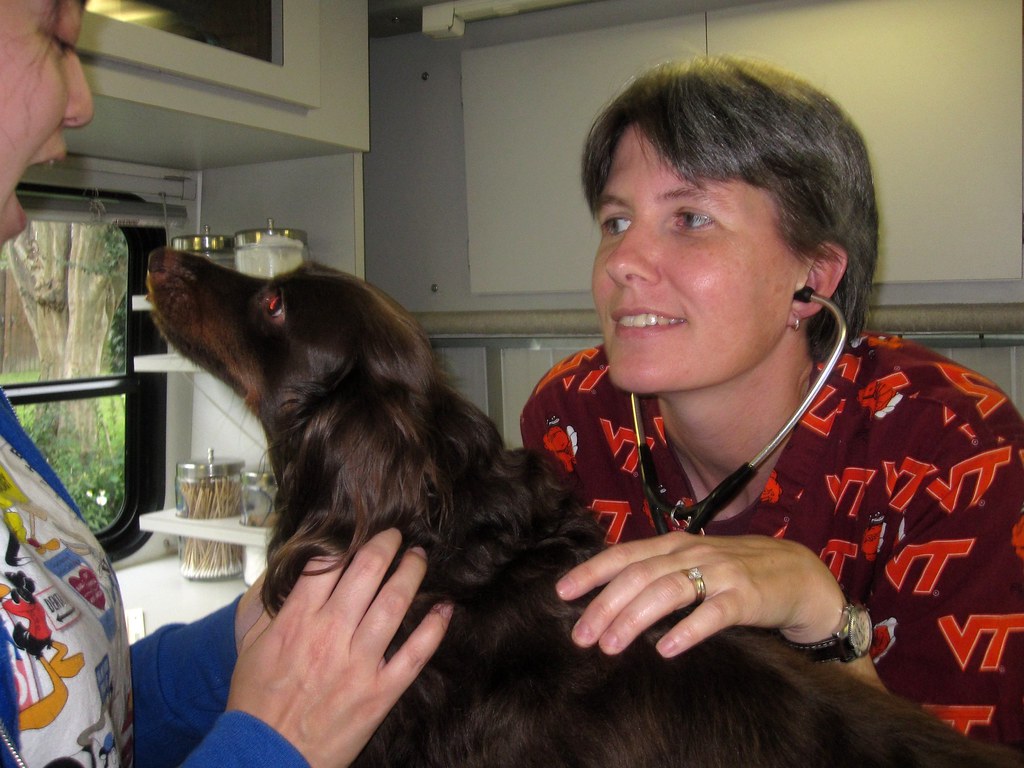
    Photo by Tobyotter / Flickr, licensed under CC BY 2.0.

    Sources and further reading

    These resources provide general background on the specific topics listed below. They are not a veterinary review of this article.

  • Pet Insurance 101: Is It Worth It for Dogs and Cats?

    Pet Insurance 101: Is It Worth It for Dogs and Cats?

    If you’ve ever sat in a vet’s waiting room doing quiet math in your head while your dog or cat gets checked out, you’re far from alone. Many pet owners don’t think seriously about pet insurance until they’re already holding an estimate for surgery, a diagnostic workup, or ongoing management of a chronic condition. By then, it’s often too late to get coverage that actually helps.

    Pet insurance isn’t a scam and it isn’t a magic bullet either. It’s a financial tool, and like any tool, it works well in some situations and poorly in others. Here’s a clear-eyed look at how it actually works, so you can decide whether it makes sense for your household.

    What Pet Insurance Actually Covers

    Most modern pet insurance policies are accident-and-illness plans. That means they’re built to help with unexpected veterinary costs: a torn ligament, an ingested toy that needs surgical removal, cancer treatment, or a sudden bout of pancreatitis. Many insurers also sell optional wellness add-ons that help offset routine costs like vaccines, dental cleanings, or annual bloodwork, though these usually cost extra and have their own payout caps.

    What a standard accident-and-illness policy typically does not cover is anything considered pre-existing, meaning a condition that showed symptoms or was diagnosed before the policy started or during its waiting period. This single detail is the reason timing matters so much, which we’ll come back to shortly.

    How Deductibles, Reimbursement, and Limits Actually Work

    Pet insurance almost always works on a reimbursement model rather than direct billing. You pay your veterinarian in full at the time of service, submit the itemized invoice to the insurer, and get a percentage of the eligible costs sent back to you. Three numbers shape how much that check ends up being:

    • Deductible: the amount you pay out of pocket each policy period (usually annual) before reimbursement kicks in.
    • Reimbursement percentage: the share of the remaining eligible bill the insurer pays, commonly somewhere between 70% and 90%, depending on the plan you choose.
    • Annual payout limit: a cap on how much the policy will pay out in a given year, which can range from a modest limit to unlimited on higher-tier plans.

    A lower deductible and higher reimbursement rate almost always mean a higher monthly premium, so the “right” combination depends on how much monthly cost you can comfortably absorb versus how much of a surprise bill you want covered.

    Why Age and Pre-Existing Conditions Matter So Much

    This is the part that catches a lot of senior pet owners off guard. Insurance is priced and underwritten based on risk, and an older dog or cat is statistically more likely to develop conditions like arthritis, kidney disease, or heart disease. That means premiums for senior pets are noticeably higher than for young, healthy ones, and some insurers cap the age at which you can first enroll a pet.

    More importantly, if your dog has already been showing signs of joint stiffness (something we cover in detail in our guide to joint and hip health in aging dogs) or your cat has had a prior urinary episode like the ones described in our piece on urinary issues in indoor cats, a new policy is unlikely to cover future flare-ups of that same condition. This is exactly why the honest answer to “should I get pet insurance” is almost always “the earlier, the better,” ideally while your pet is still young and has a clean veterinary record.

    Is It Worth It for a Senior Dog or Indoor Cat?

    If your pet is already a senior and has an established health history, a traditional insurance policy may offer limited value for conditions they already have, though it can still help with new, unrelated problems that come up. Some owners in this position find more practical value in policies specifically marketed for older pets, which tend to have adjusted premiums and terms, or in accepting that certain conditions simply won’t be covered and planning around that.

    For a younger dog or cat, the calculation is different. You’re essentially betting a predictable monthly cost against the much larger, unpredictable cost of an emergency surgery or a long-term illness diagnosis. For many households, that trade genuinely reduces financial stress and can mean the difference between saying yes to a treatment plan and having to decline it.

    Lower-Cost Alternatives Worth Considering

    Insurance isn’t the only way to prepare for veterinary costs, and it’s worth being upfront about that. A dedicated pet emergency savings account, funded with a small automatic transfer each month, gives you full control and never excludes a condition. Some veterinary clinics also offer in-house wellness plans or payment programs that can help spread out the cost of routine and even some non-routine care.

    A combination approach works well for a lot of families: a modest emergency fund for smaller surprises, paired with insurance (taken out while the pet is young) for the truly large, unpredictable events. Neither approach is inherently better; it comes down to your pet’s age, health history, and what helps you sleep better at night.

    How to Choose a Policy That Fits Your Pet

    1. Get quotes while your pet is healthy, ideally as a puppy or kitten, or as soon as possible after adoption.
    2. Read the policy’s list of exclusions carefully, especially how it defines “pre-existing” and whether any breed-specific conditions are excluded.
    3. Compare the deductible, reimbursement percentage, and annual limit together rather than looking at the monthly premium alone.
    4. Ask specifically how the insurer handles chronic, ongoing conditions like arthritis or kidney disease, since these matter most for aging pets.
    5. Check current pricing directly with a few providers, since premiums and terms are updated regularly and vary by location, breed, and age.

    Quick Takeaways

    • Standard pet insurance covers new accidents and illnesses, not conditions your pet already had before the policy started.
    • Reimbursement plans require you to pay the vet upfront and get a percentage back, based on your deductible and reimbursement rate.
    • Enrolling while a pet is young and healthy gets the most value out of a policy; enrolling a senior pet mainly helps with new, unrelated problems.
    • A pet emergency fund is a flexible, no-exclusions alternative or companion to insurance.
    • Always check current pricing and exclusions directly with providers before deciding, since terms change over time.

    This article is for general informational purposes only and is not a substitute for professional veterinary advice, diagnosis, or treatment. Always consult your veterinarian regarding your pet’s specific health needs.

    Aging gracefully, together.

    Photo by Erwin Bosman on Pexels.