Tag: dog mobility

  • Two Ramps Failed My Five-Pound Yorkie — So in 2012 I Built the Third

    Two Ramps Failed My Five-Pound Yorkie — So in 2012 I Built the Third

    Senior Yorkshire Terrier resting on a sofa

    Yorkshire Terrier resting on a sofa

    In 2012, you couldn’t open an app and have a custom indoor ramp on your doorstep in two days.

    Chewy had barely opened its doors. Most of what Amazon carried was either a brutally heavy plastic plank built to load a Labrador into a pickup truck, or a floral sponge staircase from a mail-order catalog. Nothing was designed for a dog who weighed five pounds.

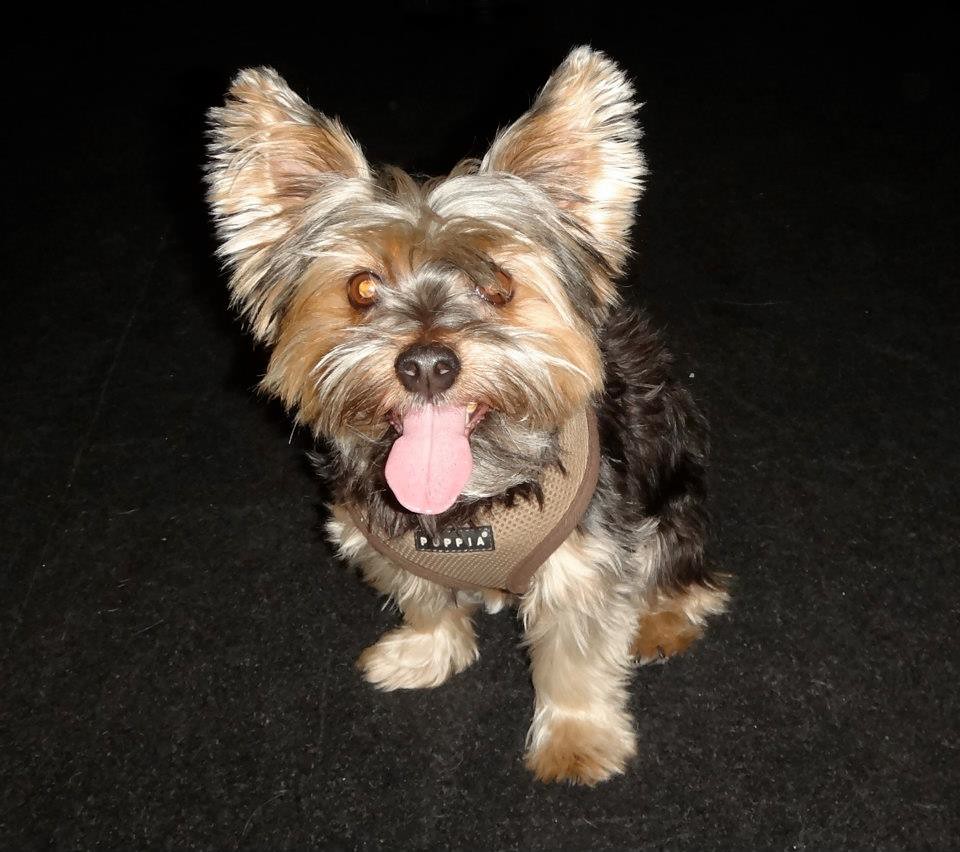
    The year my Yorkshire Terrier Joseph turned ten, I learned that finding a ramp wasn’t just a convenience problem. With his collapsing trachea and enlarged heart, I wanted to reduce the jumping that I saw followed by coughing. Personal experience: this is my account of Joseph and a homemade ramp, not veterinary-tested safety specifications or treatment for breathing problems.

    Here’s why he refused the first two attempts, what physical specifications finally worked, and the checklist I’d use today so you don’t waste money the way I did.

    Why I wanted Joseph to stop jumping

    Ramps can be part of home adaptations for dogs with joint or mobility problems. Their suitability needs to be considered for the individual dog. (AAHA senior care guidance) My concern with Joseph also came from the coughing I observed after he jumped.

    Here is what I observed when Joseph jumped down from our 18-inch sofa. These observations do not establish what was happening inside his airway or heart.

    1. Landing. He landed on his front legs and his neck jerked downward.
    2. Gasp. I noticed a sharp gasp after the landing.
    3. Coughing. The goose-honk hacking started, sometimes lasting twenty minutes.
    4. Concern. He already had an enlarged heart, which made these episodes especially worrying.

    After these episodes, I worried about needing the emergency vet. I wanted to change how Joseph got off the sofa. A dog struggling to breathe, fainting, or developing blue gums or tongue needs immediate veterinary care. (Cornell: tracheal collapse)

    Failure #1: carpeted foam steps

    Like everyone else, I started with the soft sponge staircase.

    What happened: Joseph used it for exactly two days, then wouldn’t put a paw on it again.

    What did not work for Joseph: the foam compressed underfoot, and the tread depth was under seven inches. It did not give him the stable footing he needed. That describes the steps I tried; it does not establish that all foam steps are unsuitable for every small senior dog.

    Failure #2: a telescoping plastic car ramp

    So I assumed rigid was the answer and dragged a sturdy vehicle ramp into the living room.

    What happened: the living room became an obstacle course, and Joseph fled in a panic if he got anywhere near it.

    What did not work for Joseph: the grip surface was coarse, like heavy sandpaper. The center section flexed a little under each step with a hollow drumming sound. And in our living room, the incline was too steep for him to use comfortably.

    The math manufacturers don’t print on the box

    If your dog refuses a ramp, do not force him onto it. Ask your veterinarian about pain, vision changes, and whether that setup suits his mobility.

    There is no veterinary-tested safe angle established by this account. Joseph’s experience does not set an 18-to-22-degree limit for other dogs. Ask your veterinarian or a rehabilitation professional to help assess the incline, surface, and access your dog needs.

    The formula is simple:

    Ramp length = furniture height ÷ sin(target angle)

    For a purely geometric example, an 18-inch rise at 18 degrees needs about 58.2 inches of sloping ramp. The examples below describe dimensions, not recommended or tested safety angles:

    Vertical riseSloping length at 18° (example only)Sloping length at 20° (example only)
    14 in (35.6 cm) — low sofa45.3 in (115.1 cm)40.9 in (104.0 cm)
    16 in (40.6 cm)51.8 in (131.5 cm)46.8 in (118.8 cm)
    18 in (45.7 cm) — typical sofa58.2 in (148.0 cm)52.6 in (133.7 cm)
    22 in (55.9 cm) — bed71.2 in (180.8 cm)64.3 in (163.4 cm)

    Sit with those numbers for a second.

    A ramp 32 to 36 inches long placed against an 18-inch rise makes an angle of about 30 to 34 degrees. That is a geometry example, not a prediction that a dog will slide or suffer a spinal injury. Ramp selection needs more than an angle calculation.

    What finally worked in 2012

    Nobody was selling a 57-inch indoor ramp with a rubber walking surface that year. So I bought plywood, wood strips for side rails, and a roll of grooved rubber matting, and I built one in the garage.

    It was ugly. These were the differences I noticed with Joseph; the measurements below were not professionally tested or established as safe specifications for other dogs.

    FactorWhat did not work for JosephMy homemade setup (not tested specifications)
    Incline30°+ (short ramp)Approximately 18–20°
    SurfaceCompressing foam, or sandpaper gritGrooved rubber matting
    Side railsFlat edges, nothing to feel1.4 in (3.5 cm) raised guide rails
    DeckFlexing, drumming, sinkingRigid and quiet under Joseph

    It took nine days

    This is the part nobody mentions. You don’t put a ramp down and have a dog use it.

    I started with the ramp lying completely flat on the floor and treats scattered along it, so he could get used to the surface. It took about nine days before Joseph trusted it enough to go up and down on his own.

    Once Joseph was using the ramp, he never jumped off that sofa again for the rest of his life. That was the change I observed; it does not show that a ramp treats an airway condition.

    What I’d check before buying one today

    If I were choosing a ramp today, I would bring these questions to my veterinarian or a rehabilitation professional:

    • Measure first, shop second. Measure the furniture height and available floor space. Ask what ramp dimensions suit your dog rather than treating the example angles above as a safe minimum.
    • Secure height adjustment. Check that the adjustment mechanism locks securely at the setting chosen for your dog.
    • Walking surface. Look for stable, nonslip footing and discuss suitable materials with your veterinarian. A palm test alone does not establish that a surface is safe for your dog.
    • Edges and vision. Ask your veterinarian about your dog’s eyesight and whether edge protection suits the ramp.

    One more, if the ramp folds: check that its hinges and locks are secure and that it is used according to the manufacturer’s instructions. A home check is not a professional safety assessment.

    If your dog has a collapsing trachea

    For a dog with tracheal collapse, a harness can avoid the neck pressure of a collar. (Cornell: tracheal collapse)

    Neck pressure can worsen coughing in dogs with tracheal collapse. This does not mean that a ramp treats the airway; follow your veterinarian’s plan for the condition.

    If he’s hesitating right now

    If your dog is standing at the bottom of the sofa, pausing before he commits, don’t file it away as ordinary aging.

    Hesitation can be a reason to ask your veterinarian about pain or changing mobility. The first step is to understand what your dog needs, rather than assume that changing the ramp angle will solve it. (AAHA senior care guidance)

    It took me two failures to understand that the thing that needed to change wasn’t my dog. It was my house.


    I spent twelve years with a Yorkshire Terrier named Joseph, and the last three of them learning how to make a house safe for an old dog. More about why I write this.

    I’m not a veterinarian. This is what I learned caring for one small dog through his senior years, and nothing here replaces an exam. Contact your vet about coughing or sudden reluctance to move. Breathing difficulty, blue gums or tongue, or fainting requires immediate emergency veterinary care.

    This article is for general informational purposes only and is not a substitute for professional veterinary advice, diagnosis, or treatment. Always consult your veterinarian regarding your pet’s specific health needs.

    Aging gracefully, together.

    Photo by andreaarden on Flickr, licensed under CC BY 2.0.

  • Joint & Hip Health in Senior Dogs: The Complete Guide (All Breeds)

    Joint & Hip Health in Senior Dogs: The Complete Guide (All Breeds)

    If you’ve noticed your senior dog hesitating before jumping onto the couch, taking the stairs more slowly, or seeming stiff after a nap, you’re not imagining it. Joint and hip changes are one of the most common things senior dog owners notice, regardless of breed or size, and they tend to creep in gradually rather than arrive all at once. This guide brings together what matters most about aging joints in dogs of every size, including how the picture shifts depending on whether your dog is small, medium, or large.

    Why Joint Health Changes as Dogs Age

    Most joint pain in older dogs comes down to osteoarthritis, a slow breakdown of the cartilage that normally cushions the joints. As that cartilage thins, bones move against each other with less padding, which leads to inflammation, stiffness, and discomfort. This process affects dogs of all sizes, though the joints most commonly involved and the age of onset can vary somewhat by breed and body type.

    Joint disease can develop at different ages in dogs of every size. Painful stiffness should not be dismissed as an inevitable part of getting older. (AAHA)

    Signs of Joint & Hip Pain in Senior Dogs

    Because dogs are instinctively good at hiding pain, the early signs are often subtle. Many owners describe it as their dog just seeming “older” before they connect it to joint discomfort. Watch for:

    • Slower to rise from lying down, or stiffness after rest that improves once they get moving
    • Reluctance to jump into the car, onto furniture, or up and down stairs
    • A shortened or altered gait, limping, or favoring one leg
    • Licking or chewing at a specific joint
    • Muscle loss around the hips or thighs
    • Increased irritability when touched near sore areas
    • Reduced interest in walks or play they used to enjoy

    Some of these signs show up a little differently depending on size, which is worth understanding in more detail below.

    Joint Health Differences by Breed Size

    Osteoarthritis affects dogs of every size. Breed-related conditions can contribute, but treatment depends on the individual diagnosis rather than size alone.

    Small Breed Dogs

    Small and toy breeds are especially prone to patellar luxation, a kneecap that slips out of its normal groove, which is common in Chihuahuas, Yorkshire Terriers, and Pomeranians and can cause an intermittent skip in the back legs. Long-backed breeds such as Dachshunds also face a higher risk of intervertebral disc disease (IVDD), a spinal condition that can look like a hip or joint problem from the outside. It’s worth getting a proper veterinary diagnosis before starting supplements, since patellar luxation, arthritis, and spinal issues are managed differently. (Cornell) (Cornell)

    Medium Breed Dogs

    Medium-sized dogs can develop joint disease too; size alone does not tell you what is causing stiffness or which treatment will help. For a dog with mobility problems, ask whether a tailored rehabilitation plan, possibly including an underwater treadmill, would be useful. (AAHA)

    Large Breed Dogs

    Hip dysplasia is more common in large breeds, but its severity and treatment needs vary. For selected dogs, a veterinarian may discuss medical management or surgery, including hip replacement, based on the diagnosis and overall health. (Merck Veterinary Manual) Because ongoing joint care and potential procedures can add up over a dog’s senior years, some owners find it worthwhile to look into pet insurance well before a chronic joint condition develops, since pre-existing conditions are typically excluded from coverage.

    What Causes Joint Pain in Older Dogs

    Osteoarthritis is the most common culprit, but it’s rarely the only factor at play. Excess body weight adds direct strain to already vulnerable joints, and years of wear on hips, knees, elbows, or spine can compound over time. Some dogs also carry a genetic predisposition, such as hip dysplasia, that makes joint problems more likely as they age, even if it wasn’t obvious when they were young.

    Previous injuries, repetitive high-impact activity earlier in life, and certain breed-related conformation issues can all play a role as well. This is why two dogs of the same age can have very different joint health outcomes.

    How to Support Your Dog’s Joints at Home

    The good news is that a lot can be done to keep a senior dog comfortable. Home adjustments work best as part of a veterinary plan that also addresses pain.

    1. Manage weight carefully. Even a few extra pounds meaningfully increases the load on hips and knees. Ask your vet about an appropriate weight target and feeding plan.
    2. Keep up gentle, consistent movement. Ask your veterinarian what activity is appropriate. For dogs cleared for exercise, gentle, regular movement can be part of the plan; do not push through pain.
    3. Add traction and reduce jarring impact. Non-slip rugs on hardwood or tile floors, and ramps or step stools for the car or bed, reduce strain from slipping or repeated jumping. Choose flat, secure mats that will not slide or bunch up, and ask your vet which ramps or steps suit your dog.
    4. Provide supportive bedding. An orthopedic bed with supportive foam distributes weight more evenly than a standard cushion, which can ease pressure on sore hips overnight. If a specialized bed isn’t in the budget yet, a firm foam mattress topper cut to size and layered with a washable cover is a reasonable interim option.
    5. Talk to your vet about pain relief and any supplements. A treatment plan should reflect your dog’s diagnosis and comfort; pain medication is not reserved only for advanced disease. (Cornell)

    Joint Supplements: What to Know

    Joint supplements are widely used, but their evidence is not equal. AAHA finds stronger evidence for omega-3 fatty acids in dogs with osteoarthritis than for other nutraceuticals, including glucosamine-chondroitin products. (AAHA) Benefits are not guaranteed, and there is no reliable response timetable for every product. Agree with your vet on how to judge whether a supplement is helping rather than waiting while pain continues.

    Quality and formulation vary quite a bit between products, so it’s worth checking current pricing and vet recommendations rather than assuming the priciest option is automatically the best fit for your dog. Your veterinarian can also advise on dosing appropriate to your dog’s weight and health history.

    When to See a Vet

    Home adjustments can support comfort, but new or worsening stiffness needs veterinary assessment. Seek urgent care for sudden severe lameness or severe pain. (Merck Veterinary Manual) Contact your veterinarian if you notice:

    • Sudden lameness or a dog that suddenly won’t put weight on a leg
    • Visible pain, whimpering, or aggression when a joint is touched
    • Rapid decline in mobility over a short period
    • Noticeable muscle loss in the hind legs
    • Loss of appetite or withdrawal alongside mobility changes

    A veterinarian can confirm whether osteoarthritis or another condition is behind the symptoms, rule out other causes such as a spinal issue or torn ligament, and recommend a pain management plan suited to your dog specifically. (Cornell)

    Quick Takeaways

    • Joint stiffness can be a sign of painful disease and should not be dismissed as normal aging.
    • Breed, underlying joint conditions, past injury, and body condition all matter; size alone does not predict the severity of arthritis.
    • Weight management, gentle exercise, traction, and supportive bedding all help reduce joint strain at home, regardless of size.
    • Evidence for joint supplements varies; discuss any product with your vet and do not delay pain treatment while waiting for a benefit.
    • Sudden lameness or visible pain always warrants a veterinary visit rather than a wait-and-see approach.

    This article is for general informational purposes only and is not a substitute for professional veterinary advice, diagnosis, or treatment. Always consult your veterinarian regarding your pet’s specific health needs.

    Aging gracefully, together.

    Photo by Ajay Lamichhane on Pexels.