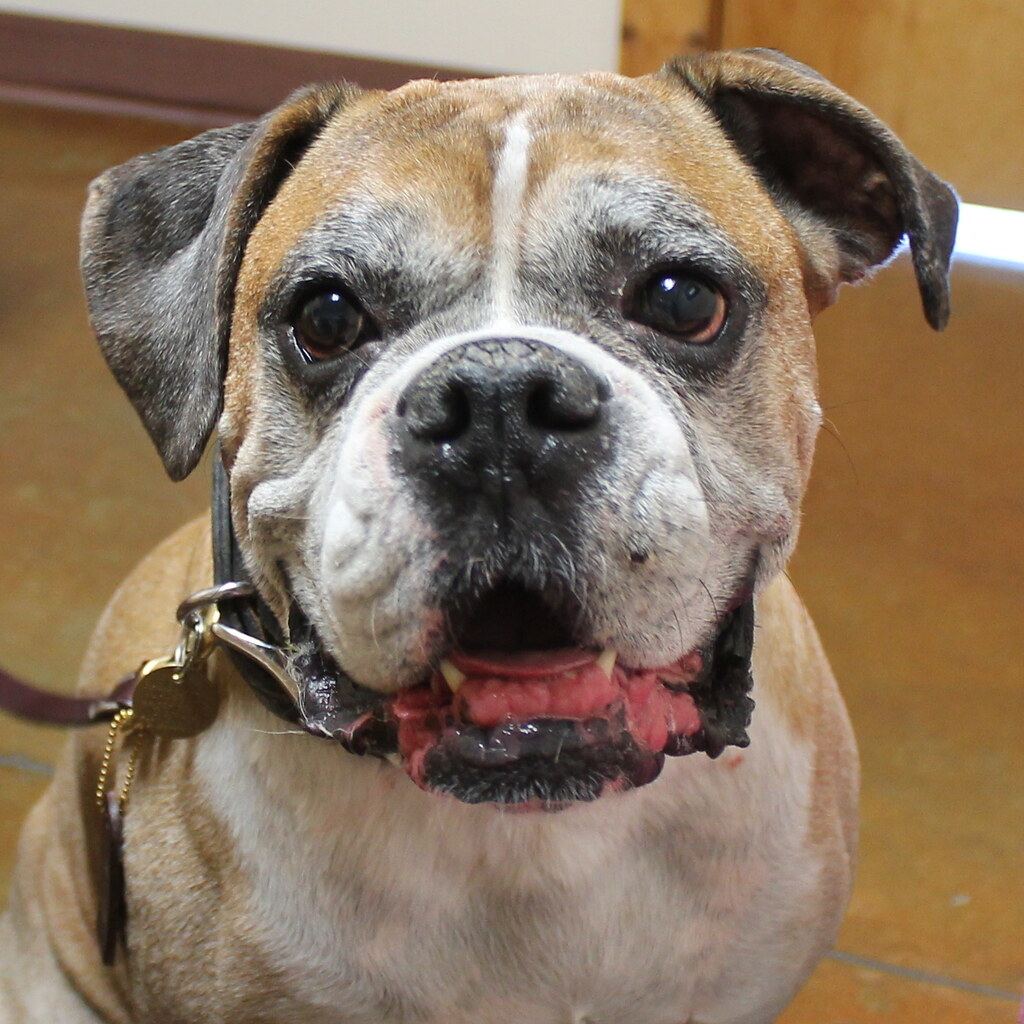
Many dog owners notice it gradually: a senior dog hesitates at the top of the stairs, misjudges the distance to a food bowl, or startles more easily when approached from the side. These are often the first visible signs that a dog’s eyesight is changing. Vision changes deserve veterinary attention. While they can feel alarming at first, many dogs adapt well once owners understand what’s happening and how to help.
This guide covers why vision changes with age, the most common causes of vision loss in senior dogs, what to watch for in dogs of different sizes, and practical ways to support a dog whose eyesight is fading.
Why Vision Changes as Dogs Grow Older
The lens can become hazier with age, but changes in vision should not automatically be blamed on aging. Eye disease can look similar to an age-related lens change, so a veterinary examination matters. (Cornell)
It’s also worth noting that not all cloudiness in an older dog’s eyes means blindness is imminent. A bluish-gray haze in the pupil is frequently a normal age-related change called nuclear sclerosis, which affects how the lens scatters light but usually does not significantly impair vision. This is different from a cataract, which is an opaque clouding of the lens that does block light and can progress to full blindness. Distinguishing between the two typically requires a veterinary eye exam, since they can look similar to an untrained eye.
Common Eye Changes and Causes of Vision Loss in Senior Dogs
The following eye changes and diseases are worth knowing about:
- Cataracts – An opacity that forms in the lens, blocking light from reaching the retina. Cataracts can be hereditary, diabetes-related, or simply age-related.
- Nuclear sclerosis – An age-related lens change that can make the eyes look hazy and reduce fine detail, but does not cause blindness. (Cornell)
- Progressive retinal atrophy (PRA) – A gradual, inherited degeneration of the retina that usually starts with night vision loss and can progress to complete blindness over months to years. (Merck Veterinary Manual)
- Glaucoma – Increased pressure inside the eye that can damage vision. Signs of glaucoma need immediate veterinary assessment, even when they start subtly. (Merck Veterinary Manual)
- Diabetes-related cataracts – Dogs with diabetes are especially prone to rapid cataract formation; a large share of diabetic dogs, commonly cited in the range of 75–80 percent, develop cataracts within about a year of diagnosis regardless of how well blood sugar is controlled. (Cornell)
- Retinal detachment linked to high blood pressure – Often secondary to kidney disease, hormonal disorders, or untreated hypertension.
Because several of these conditions overlap in appearance, a veterinary ophthalmic exam is generally the only reliable way to tell them apart and determine whether treatment options like surgery are appropriate.
Signs Your Senior Dog May Be Losing Their Vision
Dogs compensate for vision loss so well, using scent, hearing, and memory of familiar spaces, that owners often don’t notice anything is wrong until the environment changes. Common signs include:
- Bumping into furniture or walls, especially in dim lighting or unfamiliar rooms
- Hesitating at stairs, curbs, or thresholds the dog previously navigated easily
- Trouble locating toys, food, or water bowls by sight
- Reluctance to jump onto furniture or into the car
- Increased startling when touched or approached unexpectedly
- A visibly cloudy, bluish, or white appearance to one or both eyes
- Clinginess or increased anxiety in new environments
Because the onset is often slow, many owners first notice the problem when a piece of furniture is moved or the dog visits an unfamiliar location and suddenly seems disoriented.
Vision Loss by Size: Small, Medium, and Large Breed Senior Dogs
The same broad eye conditions can affect dogs of different sizes. Specific breed risks and an individual dog’s health matter more than a simple small, medium, or large label when deciding what a vision change means.
Small Breed Senior Dogs
If your small dog is often carried or held, you may notice changes in the eyes up close. Pay attention to hesitation or missed jumps too, and have new changes checked rather than assuming your dog is simply becoming clumsy.
Medium Breed Senior Dogs
For medium-sized senior dogs, watch familiar routines as well as movement in new places. Hesitation on stairs or near a deck edge deserves attention even if your dog still navigates the living room confidently.
Large Breed Senior Dogs
A large dog who hesitates to jump into a car may have vision changes, joint pain, or both. Describe what you notice to your veterinarian rather than deciding the cause from the dog’s size or a single behavior.
Helping a Senior Dog Adjust to Vision Loss at Home
Most dogs, including those who become fully blind, adapt well to vision loss when their environment stays consistent and predictable. Helpful strategies include:
- Keep furniture in the same place. Dogs build a detailed mental map of their home; rearranging furniture removes that advantage.
- Use texture cues. Different textured rugs near stairs, doorways, or the food area can help a dog orient without relying on sight.
- Block off hazards. Baby gates near stairs, pools, or drop-offs reduce the risk of injury while a dog adjusts.
- Use a consistent verbal cue before touching. If your dog can hear it, a familiar word can help announce your approach. Ask your vet about suitable cues if hearing is also reduced.
- Keep walking routes familiar. Established routes that the dog already knows well tend to be far less stressful than new ones.
Owners often find that dogs adjust to gradual vision loss faster than people expect, particularly when the rest of the home environment remains stable and the dog’s other senses are given a chance to take over.
When to See a Vet
Any new change in your dog’s eyes or vision warrants a veterinary call. Sudden loss of sight, a painful red eye, or rapidly worsening cloudiness needs urgent assessment; contact your veterinarian or an emergency clinic immediately. (Merck Veterinary Manual) Glaucoma can threaten sight and requires rapid treatment. (Cornell) Other warning signs to report include:
- Sudden vision loss or disorientation, especially if it develops over hours or days rather than weeks
- A red, painful, swollen, or rapidly cloudy eye, which can indicate glaucoma or acute inflammation
- Squinting, excessive tearing, or pawing at the eye
- Vision changes alongside increased thirst or urination, which can point to diabetes
- A known diagnosis of diabetes, since cataract formation can progress quickly and benefits from early monitoring
Even a gradual, apparently painless change should be assessed rather than left until a checkup six to twelve months away. After diagnosis, your vet can set the right monitoring interval and discuss ophthalmology referral. Cataract surgery can help selected dogs; Cornell reports success in roughly 80 to 90 percent of ideal candidates, with risks and outcomes depending on the individual case. (Cornell)
Related reading: Mobility and vision changes often overlap, so our complete guide to joint and hip health in senior dogs may also help explain hesitation around stairs or furniture. Veterinary care for conditions like cataracts and glaucoma can be costly, which is why many owners also look into pet insurance for a senior dog before a diagnosis is made. For more senior dog and indoor cat care guides, visit the Golden Years Pets homepage.
Quick Takeaways
- Cataracts, retinal disease, glaucoma, and other conditions can affect sight; nuclear sclerosis causes haze but does not cause blindness.
- A cloudy, bluish lens doesn’t always mean blindness; a veterinary exam is needed to tell nuclear sclerosis from a true cataract.
- Dogs of every size need an individual assessment; size alone does not identify the cause of a vision change.
- Keeping furniture, routes, and routines consistent helps most dogs adapt well to gradual vision loss.
- Sudden sight loss or a painful, red, rapidly cloudy eye needs urgent veterinary assessment. Report gradual changes promptly too.
This article is for general informational purposes only and is not a substitute for professional veterinary advice, diagnosis, or treatment. Always consult your veterinarian regarding your pet’s specific health needs.
Aging gracefully, together.
Photo by mariposavet on Flickr, licensed under CC BY 2.0.